

Kashmir Tourism Under Military Shadow as Tourists Question Heavy Militarization
Heavy Militarization and Tourist Outcry
The Kashmir Valley has long been portrayed in travel brochures as a serene, picture-postcard destination, a sanctuary of snow-capped mountains, tranquil lakes, and timeless charm. Yet beneath this...
The Kashmir Valley has long been portrayed in travel brochures as a serene, picture-postcard destination, a sanctuary of snow-capped mountains, tranquil lakes, and timeless charm. Yet beneath this picturesque exterior lies a reality shaped by decades of militarization, intense security, and pervasive state control. For generations, the residents of Indian Illegally Occupied Jammu and Kashmir (IIOJK) have lived under the constant shadow of armed checkpoints, sudden body searches, arbitrary movement restrictions, and an overwhelming military presence. What was once treated by outsiders as an isolated political issue is now being witnessed and questioned by an unlikely group of observers: domestic and international tourists.
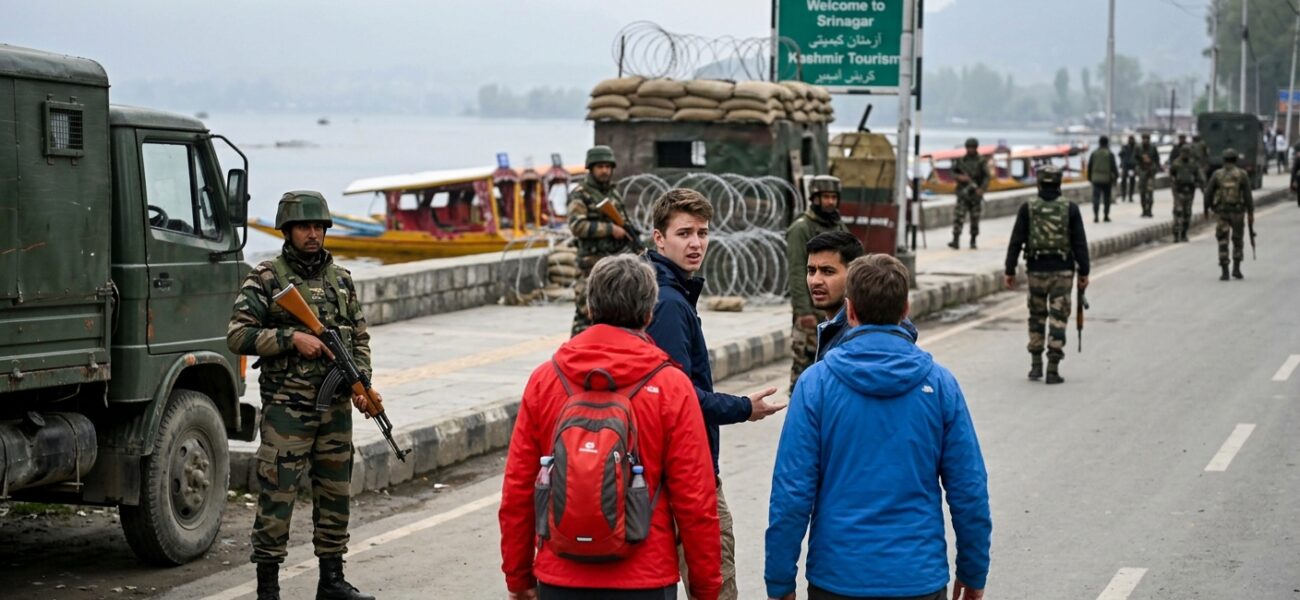
For local Kashmiris, daily existence in the valley requires navigating a landscape defined by armed personnel and security infrastructure. Simple tasks, such as commuting to work, visiting a local market, or travelling between districts, often involve passing through multiple military checkpoints. Identity checks, frequent frisks, and sudden road closures are not extraordinary events; they are routine disruptions woven into the fabric of everyday life. Residents have grown accustomed to living under high surveillance, where military camps of Indian army occupy civilian spaces and armed patrols are constant reminders of state authority. For years, these lived experiences remained largely invisible to the outside world, framed by official narratives as necessary security measures.
However, as tourism in the region has been heavily promoted to project a sense of normalcy, visitors are now coming face-to-face with the reality that local residents encounter daily. Expecting an idyllic getaway, tourists instead find themselves navigating heavily armed corridors, encountering endless vehicle checks, and experiencing unexpected restrictions on their movement. For many visitors, the sharp contrast between the serene natural beauty and the intense security environment comes as a profound shock. The sight of armed soldiers on scenic routes, ubiquitous bunkers, and restricted zones creates an atmosphere that feels less like a tranquil resort and more like an active security zone.
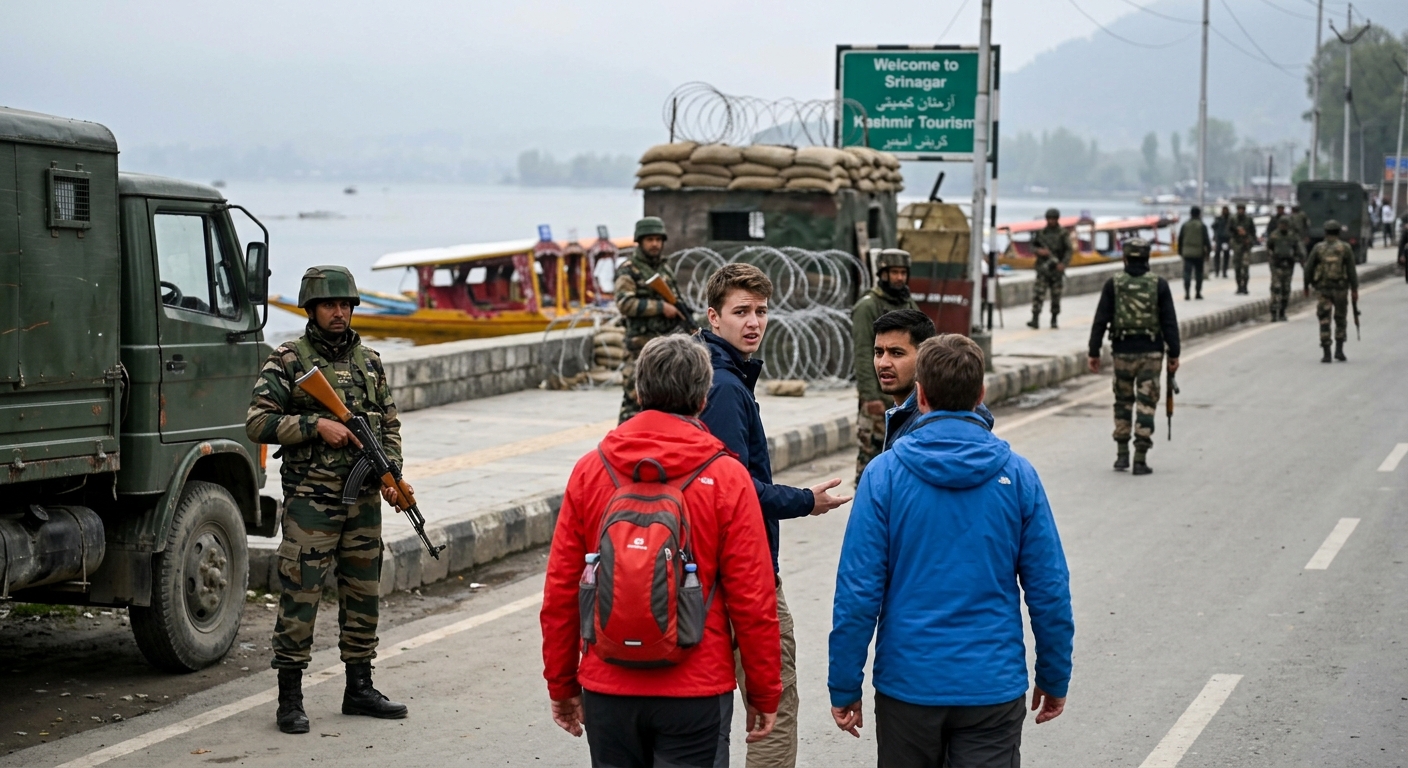
This firsthand exposure is driving a significant shift in public perception. Today’s tourists are no longer silent observers; they are increasingly sharing their experiences on social media, writing personal accounts, and openly questioning the necessity of such aggressive behaviour of Indian government. Visitors are asking why an area advertised as a tourist haven requires such heavy militarization and why ordinary travel involves continuous scrutiny. As tourists raise their voices, they bring fresh global and regional attention to conditions that Kashmiris have endured for decades, effectively challenging the narrative that life in the region has returned to normal.
The growing vocalness of tourists highlights a fundamental truth about the situation in IIOJK: heavy militarization cannot be easily hidden beneath a surface layer of tourism. The discomfort, inconvenience, and unease felt by visitors offer a small glimpse into the far deeper, daily burdens borne by the local population. When outsiders begin to question the checkpoints, restrictions, and constant surveillance, it validates what Kashmiris have been voicing for generations.
Ultimately, the experiences of visiting tourists serve as a powerful reality check. They demonstrate that the heavy security presence in IIOJK is not merely an invisible backdrop, but an intrusive force that shapes every aspect of life in the valley. By speaking out, tourists are helping to break the silence surrounding everyday life in Kashmir against Modi government, ensuring that the realities of militarization and restricted freedoms can no longer be overlooked or ignored by the wider world.
Author