


Qixi Festival: Chinese Valentine’s Day Rooted in Legend and Tradition
POLICY WIRE — Beijing, China — The Qixi Festival, often referred to as Chinese Valentine’s Day, is a celebration steeped in legend and tradition, extending far beyond the exchange of flowers...

POLICY WIRE — Beijing, China — The Qixi Festival, often referred to as Chinese Valentine’s Day, is a celebration steeped in legend and tradition, extending far beyond the exchange of flowers and chocolates. Observed on the seventh day of the seventh lunar month, Qixi commemorates the annual meeting of the divine lovers, Zhinu the Weaver Girl and Niulang the Cowherd, separated by the Milky Way for all but one day of the year.
The origins of Qixi trace back to an ancient Chinese folktale. Zhinu, daughter of the Jade Emperor, falls in love with Niulang, a mortal cowherd. Despite their love, the Jade Emperor forbids their union, separating them by the Silver River, the Chinese name for the Milky Way. Only once a year, with the help of magpies forming a bridge, can the lovers reunite.
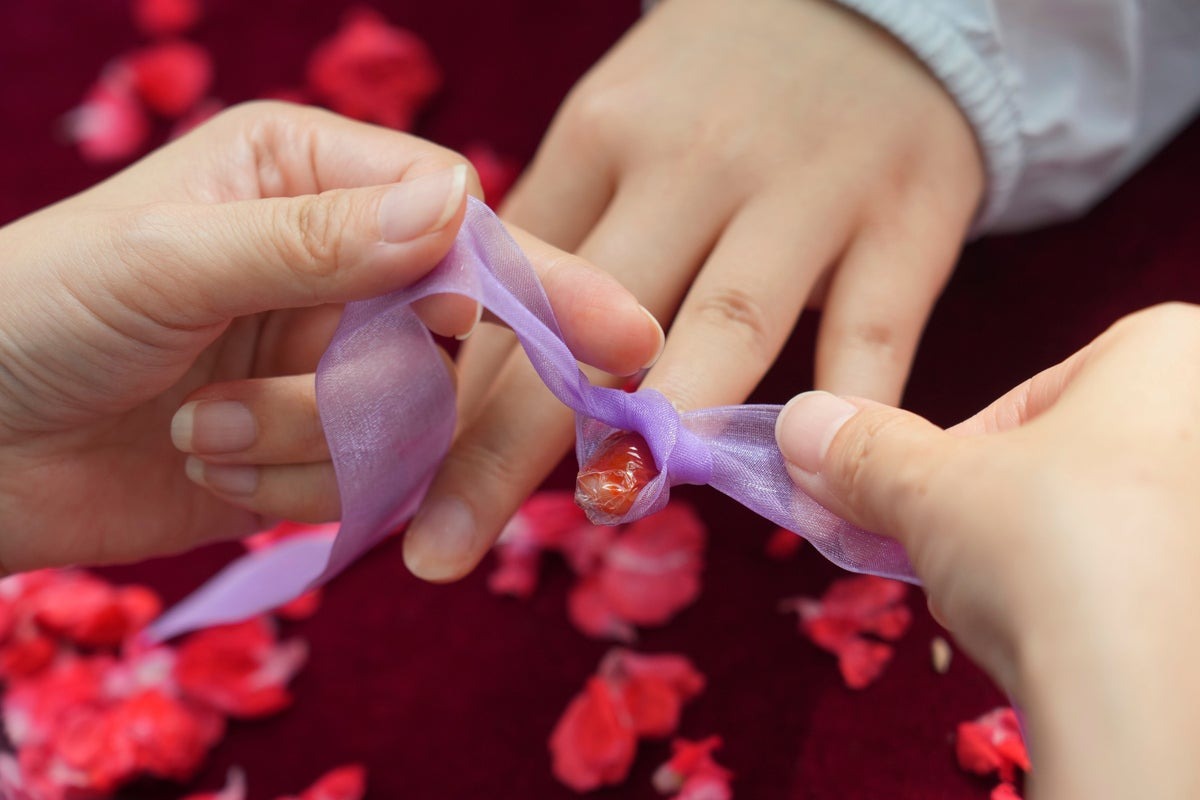
This festival is marked by various traditional activities. Young women often engage in needlework competitions, hoping to acquire Zhinu’s skill and dexterity. Others may write poems or make wishes, seeking blessings for love and marital harmony. The night sky is also a focal point, with many gazing upward in hopes of catching a glimpse of the celestial lovers.
While modern celebrations may include romantic gestures akin to Western Valentine’s Day, the essence of Qixi remains deeply rooted in its mythological and cultural heritage. It serves as a reminder of the enduring power of love, tradition, and the rich Chinese folklore.
Reporting by Policy-Wire (PW)