


Assam Floods: Over 100 Dead, Experts Demand Enhanced Warnings and Long-term Strategies
POLICY WIRE — Guwahati, India — More than 100 people have died in floods that have devastated India’s northeastern state of Assam, marking what government officials describe as the worst flooding the...

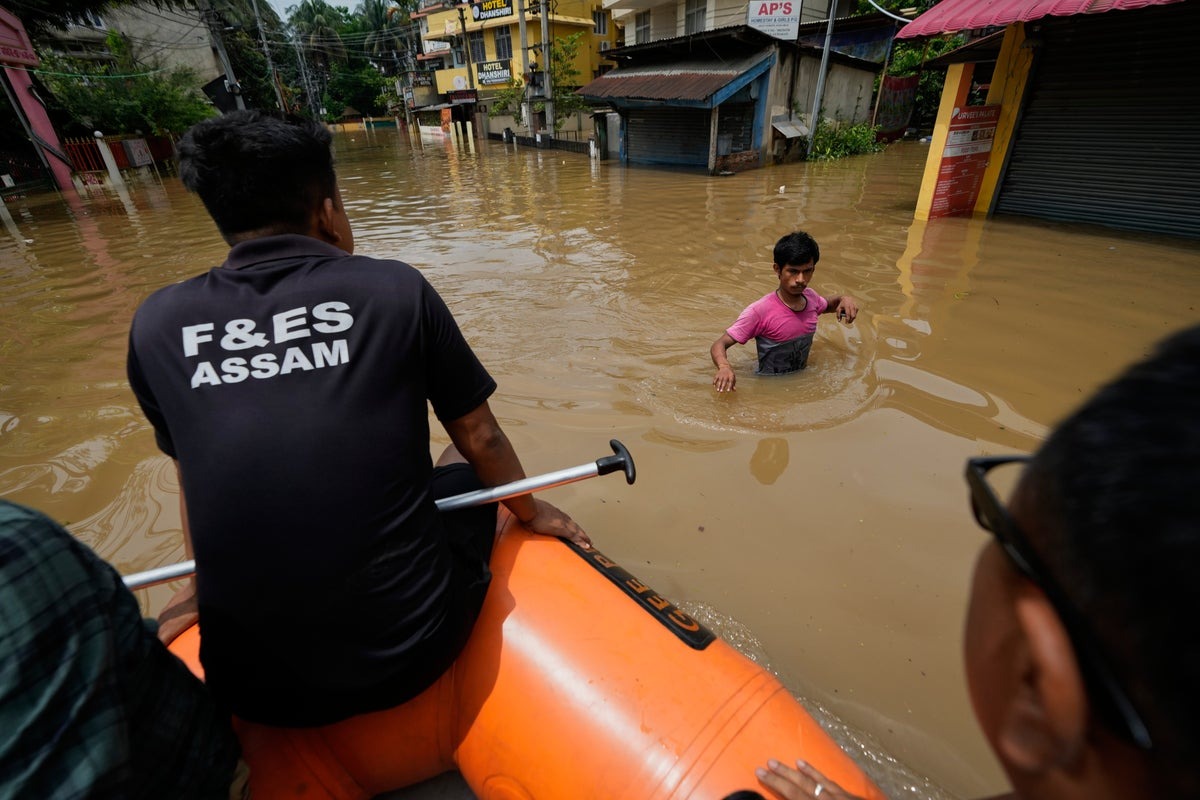
POLICY WIRE — Guwahati, India — More than 100 people have died in floods that have devastated India’s northeastern state of Assam, marking what government officials describe as the worst flooding the region has experienced in six decades. The catastrophic event has prompted experts to call for enhanced early warning systems and long-term strategic planning to mitigate future climate-related disasters.
The floods, exacerbated by heavy monsoon rains and rising river levels, have displaced thousands and caused widespread destruction. According to the Assam State Disaster Management Authority, over 4 million people have been affected, with entire villages submerged and critical infrastructure damaged.
“This is a stark reminder of the vulnerabilities faced by climate-sensitive regions,” said Dr. Anil Kumar, a climate scientist at the Indian Institute of Technology Guwahati. “We need to invest in robust early warning systems and adopt comprehensive long-term plans to build resilience against such extreme weather events.”
Government officials have acknowledged the severity of the situation. Assam Chief Minister Himanta Biswa Sarma stated, “The scale of destruction is unprecedented. We are working around the clock to provide relief and ensure the safety of our citizens.”
Efforts are underway to distribute aid and restore essential services. The National Disaster Response Force (NDRF) and the Indian Army have been deployed to assist in rescue operations and provide medical support to affected communities.
Environmental experts argue that the recurring nature of such disasters underscores the need for a paradigm shift in disaster management. “it is not just about reacting to crises but about proactive measures that can prevent or minimize damage,” said environmental activist Sunita Narain. “We must focus on sustainable development practices and climate-resilient infrastructure.”
The floods have also reignited the debate on the efficacy of current flood management policies. Critics point out that despite previous warnings and recommendations, little has been done to implement comprehensive flood control measures. “There is a clear gap between policy and action,” noted a report by the Centre for Science and Environment.
As the region begins the long road to recovery, the call for improved early warning systems and strategic long-term planning grows louder. Stakeholders emphasize the need for collaborative efforts between government agencies, scientific communities, and local populations to build a more resilient future.
Reporting by Policy-Wire (PW)