

Philippines’ Seabed Rights Push May Hinder South China Sea Code Talks
POLICY WIRE — City, Country — The Philippines’ recent assertion of seabed rights in the South China Sea may hinder its role as this year’s Asean chair in achieving regional consensus,...

POLICY WIRE — City, Country — The Philippines’ recent assertion of seabed rights in the South China Sea may hinder its role as this year’s Asean chair in achieving regional consensus, analysts have warned. This move adds another layer of complexity to the already slow-moving talks on a code of conduct for the disputed waterway.
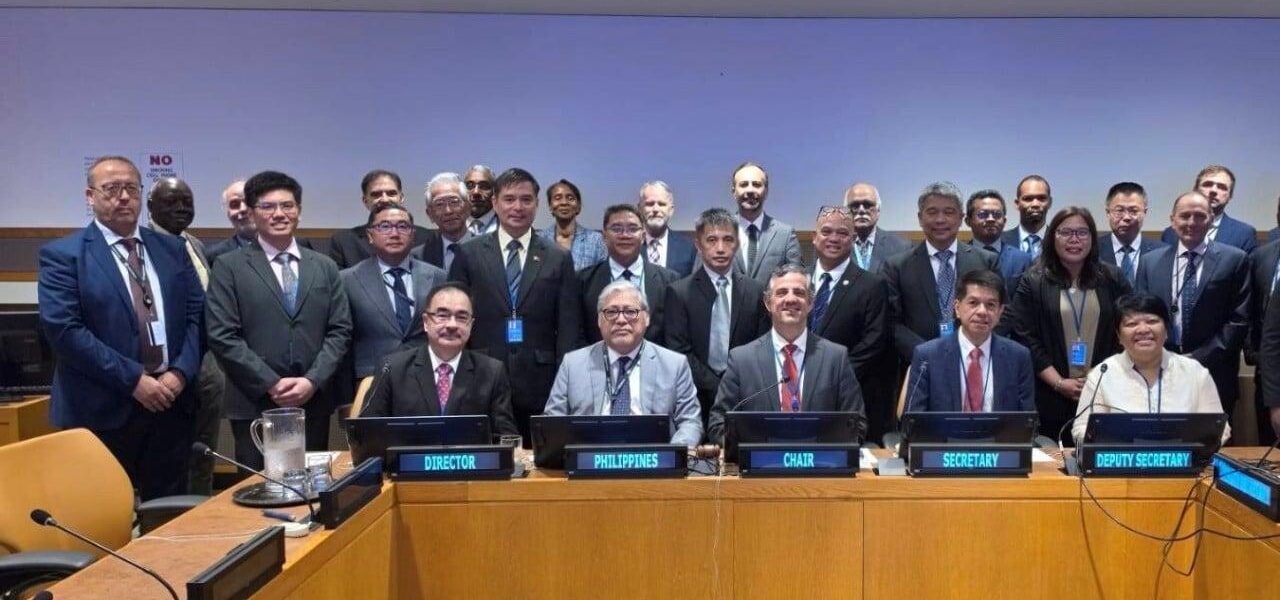
On July 28, Manila officially presented its partial submission on its extended continental shelf in waters it claims as its territory to the UN Commission on the Limits of the Continental Shelf. This action has drawn attention to the intricate dynamics at play in the region.
The Philippines’ bid to assert its seabed rights comes amid ongoing efforts to negotiate a code of conduct for the South China Sea, a critical yet contentious area claimed by multiple nations. Analysts caution that Manila’s move could exacerbate tensions — and impede the progress of these negotiations.
The Asean code of conduct aims to ensure peace and stability in the South China Sea, a vital maritime route for global trade. However, the talks have been marked by slow progress and significant challenges, particularly due to overlapping claims and strategic interests of various nations.
The Philippines’ submission to the UN Commission is part of its effort to delineate its extended continental shelf under the United Nations Convention on the Law of the Sea (UNCLOS). By doing so, Manila seeks to assert its rights to the resources within its claimed territory, which includes parts of the South China Sea.
Analysts note that while the Philippines’ move is in accordance with international law, it could strain relations with other claimant states, particularly China, which has extensive claims in the South China Sea. This could, in turn, impact the Philippines’ ability to foster consensus among Asean members on the code of conduct.
The Asean Regional Forum, which includes all Asean members along with other Asia-Pacific nations, has been the primary platform for discussing the code of conduct. However, the forum has faced significant hurdles in reaching a agreement, largely due to the divergent interests and positions of the involved parties.
📄 POLICY WIRE WHITEPAPER PUBLISHED: PAKISTAN’S NATIONAL SECURITY POLICY PRIORITIES
As the Philippines navigates its dual role as an Asean chair and a claimant state, it must balance its national interests with the need to promote regional cooperation. The success of the code of conduct negotiations will depend on the ability of Asean members to find common ground and address the complex web of claims and interests in the South China Sea.
In light of these developments, the Philippines’ recent actions underscore the challenges inherent in the South China Sea dispute and the delicate task of achieving a consensus on a code of conduct. As the situation evolves, the international community will be watching closely to see how these dynamics play out and what implications they may have for regional stability and global trade.
Reporting by Policy-Wire (PW)