


St. Mary’s Glacier Disappears: Colorado Snowfield Melts Completely for First Time in Recorded History
St. Mary’s Glacier in Colorado has melted entirely for the first time. Experts link the loss of the historic snowfield to rising temperatures and climate.

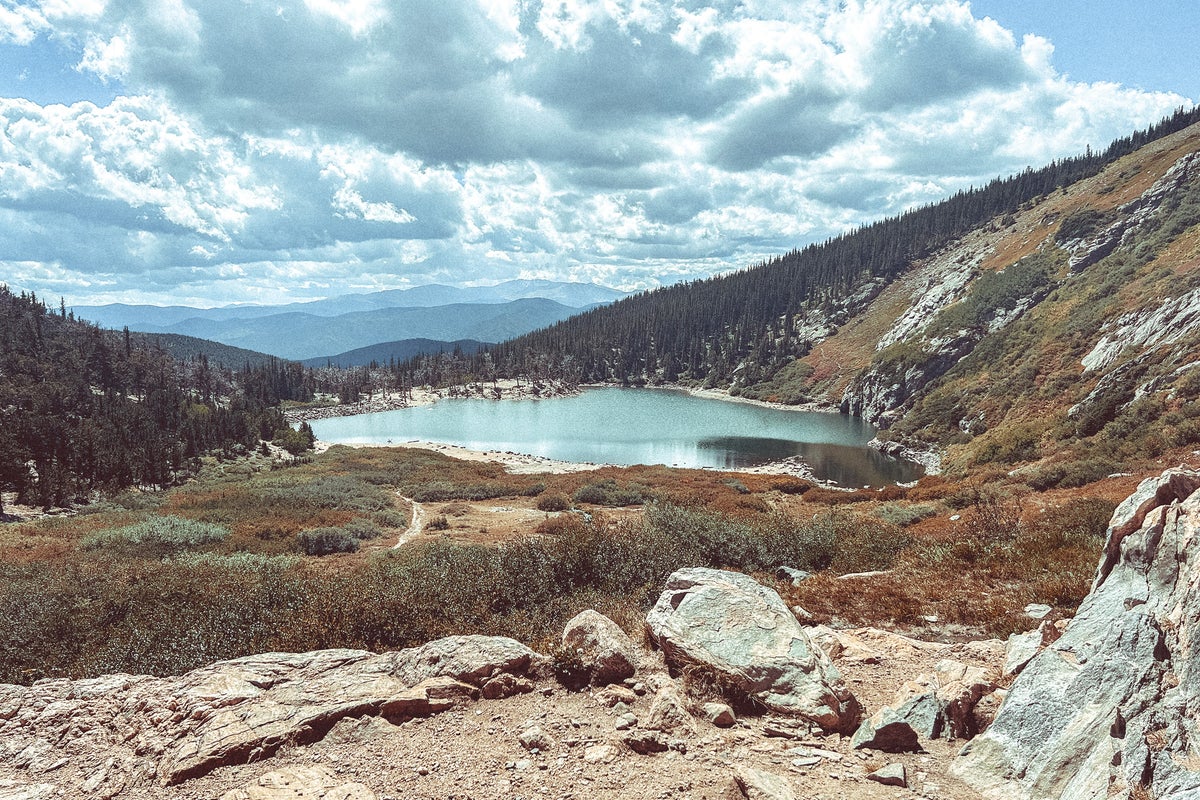
POLICY WIRE — Clear Creek County, USA — For the first time in recorded history, the perennial snowfield known as St. Mary’s Glacier has vanished entirely. Hikers arriving at the popular Colorado site are now finding bare ground where the historic geological feature once stood.
Idaho Springs resident Jeremy Elder, who lives roughly five miles from the location, discovered the disappearance during a visit on Monday. He expressed his shock at the sight, noting that the combination of a weak winter snowpack and an exceptionally hot summer likely accelerated the loss. He remarked, “I was surprised to see absolutely nothing,” adding, “Not seeing any snow up there — it was honestly pretty sad to see that. It’s been such a hot summer, and with the weak snowpack last winter, I feel like all those things contributed. It’s just getting hotter and hotter, and we’re seeing the direct effects here.”
While the snowfield had persisted for centuries by surviving summer heat and replenishing during winter storms, it has now succumbed to the impacts of human-driven climate change. The decline has been visible for decades, leading some frequent visitors to anticipate its eventual disappearance.
Jordan Lipp, a resident of Golden who has visited the site over 100 times in the last 30 years, noted that he expected the glacier to melt away this season. After finding only two tiny pieces of snow remaining during a ski trip on September 12, he returned four days later to find the area completely bare.
The loss of St. Mary’s Glacier aligns with broader global trends, as NOAA data indicates that glaciers worldwide have been shrinking annually for the past 39 years. According to the Colorado Climate Center, the state has seen average annual temperatures rise by approximately 2.3 degrees Fahrenheit between 1980 and 2022.
Jonathan Ingraham, outdoor editor for the Rocky Mountain Journal, described the experience of visiting the site after the melt as surreal. He told Fox31, The first thought that ran through my mind yesterday was that this glacier and the snowfield probably had been the first time it had been melted out. It was just a little of awe and surreal.
Although winter snowstorms are expected to return to the region, it remains uncertain whether the site will regain its status as a perennial snowfield or transition into a seasonal feature that disappears each summer. Reporting by Policy-Wire (PW)