


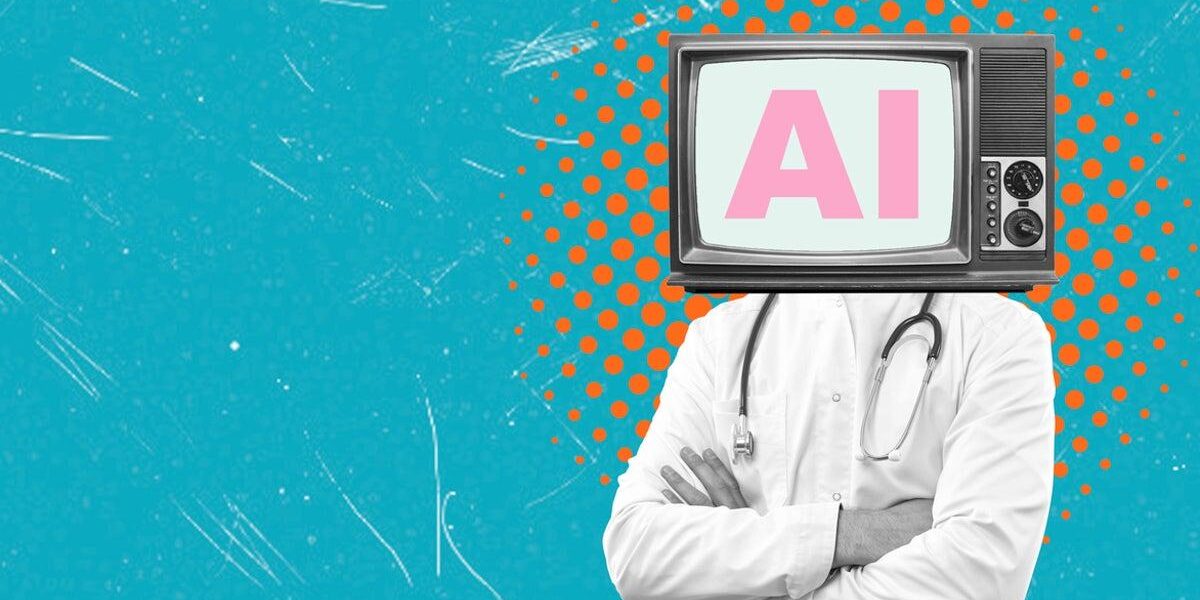
AI-Generated ‘Doctors’ Spread False Health Advice on Social Media
AI-generated 'doctors' are misleading millions with false health advice. Learn how to identify misinformation and protect yourself.

POLICY WIRE — London, UK — Recent reports have revealed that artificial intelligence (AI)-generated personas, mimicking medical professionals, are disseminating questionable health advice to millions of social media users. These AI-driven entities, often indistinguishable from real doctors, have raised significant concerns about the spread of misinformation.
The phenomenon has prompted health experts to warn the public about the dangers of relying on unverified sources for medical information. “AI can create very convincing but entirely false medical advice,” said Dr. Emily Carter, a public health expert. “It’s crucial for individuals to verify information through trusted sources.”
Social media platforms have become fertile ground for the proliferation of such misinformation. Algorithms designed to maximize user engagement often prioritize sensational content, regardless of its accuracy. This has led to a surge in the popularity of AI-generated health advice, which can range from harmless but ineffective tips to dangerous recommendations that could harm users.
To combat this issue, health organizations are urging the public to cross-check any health-related information with reputable sources such as government health agencies, peer-reviewed journals, and established medical institutions. “Always look for the source of the information — and check if it’s backed by credible research,” advised Dr. Carter.
In addition to individual vigilance, tech companies are under pressure to improve their content moderation policies. Social media giants like Facebook, Twitter, and Instagram have introduced measures to flag and remove misleading content, but the rapid evolution of AI technology continues to pose challenges.
The spread of false health claims is not a new problem, but the involvement of AI adds a layer of complexity. Unlike human-generated misinformation, AI can produce vast amounts of content quickly and at scale, making it harder to track and counteract.
As the public becomes increasingly reliant on digital information, the need for robust fact-checking mechanisms and digital literacy grows. Educational campaigns are being launched to teach users how to critically evaluate the information they encounter online.
the rise of AI-generated ‘doctors’ spreading false health advice underscores the importance of skepticism and verification in the digital age. By staying informed and cautious, individuals can protect themselves from the potentially harmful effects of misinformation.
Reporting by Policy-Wire (PW)