


World Cup’s Last Gasp: Geopolitical Shifts Emerge in Knockout Stage Battle
POLICY WIRE — Global Stage — As the dust settled on the World Cup’s group phase, the biggest drama wasn’t just in the scorelines. Not really. It was often in the silent implications—a...

POLICY WIRE — Global Stage — As the dust settled on the World Cup’s group phase, the biggest drama wasn’t just in the scorelines. Not really. It was often in the silent implications—a nation like Morocco, still chasing the elusive title of first African winner, pushing boundaries not just on the pitch, but culturally. They’d finished second in Group C, going unbeaten, after all. Four years ago, they made a run to the semifinals in Qatar. This isn’t just about goals; it’s about shifting narratives.
It’s the wild scramble, the kind of organized chaos you’d find in a chaotic parliamentary session. Eight squads are still scrapping for those four precious remaining berths in the Round of 32. But that’s just the surface tension. Tournament co-hosts—the U.S., Canada, and Mexico—they’re in. Good for them. France, Germany, Spain, Portugal, Brazil, Norway; the usual suspects, they’ve also secured their passage. But underneath that calm facade, some genuinely compelling stories are taking shape.
Take Scotland, for instance. Their rabid fanbase is hanging by a thread, just praying for some cosmic alignment of results to somehow drag them into the knockout stages—a proper long shot, if there ever was one. And they’re not alone. Iran — and South Korea are clinging to the edge of that same precipice. These aren’t just football teams; they’re national hopes, entire populations, riding every header — and tackle. A hard, cold reality check for some, an improbable dream for others.
The upcoming matchups? Oh, they’re spicy. We’ve got Morocco versus the Netherlands on June 29—a clash brimming with historical and cultural undercurrents. Japan takes on Brazil that same day, a rematch decades in the making, reflecting Japan’s own long-term investment in the sport. But before all that, the final day of group play saw some fingernail-biting finishes. Group L had Panama — and Croatia fighting it out; England and Ghana already in, but top spot still up for grabs. And Ghana? They’d secured passage.
And Group K brought its own flavor of torment. Colombia versus Portugal, both qualified, now just brawling for group supremacy. Congo needed a win against Uzbekistan; a draw, a loss, — and they’d be packing their bags. Uzbekistan, bless their hearts, had the slimmest of odds—they pretty much needed to win in a romp to stand any chance. It’s the kind of high-stakes gambling that’d make even a hardened stock trader flinch.
Then you’ve got the games that decide very little but prestige. The U.S. squad, they’ll face Bosnia-Herzegovina on Wednesday in Santa Clara, California. After their momentum stalled with that loss to Turkey—a real bummer, that was—they’re looking to regroup. Their next opponents, Bosnia-Herzegovina, currently sit at 62nd in the FIFA rankings, the lowest-ranked World Cup qualifier from Europe. For the Americans, it’s about putting their heads down — and pushing forward. U.S. midfielder Sebastian Berhalter, after scoring against Turkey, offered a succinct philosophy: [QUOTE_PLACEHOLDER] For us, it’s keep doing what we’ve been doing.
📄 POLICY WIRE WHITEPAPER PUBLISHED: PAKISTAN'S NATIONAL SECURITY POLICY PRIORITIES
👉 READ BY CLICKING HEREThe tournament is quickly becoming a chessboard of geopolitics, too. Look at Canada — and South Africa; both made history just by being there. This’ll be the first time both nations are in the knockout stage. South Africa, runner-up in Group A, even managed a surprise win over South Korea. That’s a massive statement for emerging football nations, isn’t it?
France, of course, arrived as the big favorite — and hasn’t really faltered, winning all three group games. Now they square off against Sweden. Germany, also group winners, enters the knockouts after a rather low-key defeat, not unlike the U.S., against an opponent that perhaps didn’t require their full might. They’re strong favorites against Paraguay. England’s Shifting Sands of fortune, and many other European titans, are now firmly fixed on the next challenge.
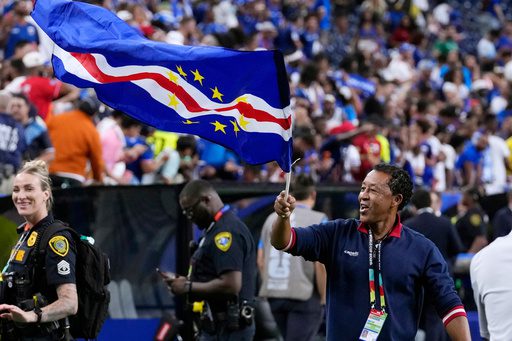
Even minnows like Cape Verde are making waves. Argentina, the defending champion, is going up against the smallest nation ever to qualify for the World Cup knockout stage. Predictably, Cape Verde heads in as a massive underdog, but don’t count out the romance of the game. That’s the beauty of it all, really. Because sometimes, just sometimes, the biggest statements come from the unlikeliest of corners.
What This Means
This final day of group play isn’t merely about who advances; it’s a stark, visceral reminder of football’s unparalleled soft power and its reflection of the global order. Nations like Morocco, pushing deeper into the tournament, aren’t just celebrating goals; they’re broadcasting a message of resilience, organization, and national pride across the Muslim world and Africa. A strong showing boosts regional morale, encourages investment in infrastructure, and even enhances diplomatic leverage—it’s PR on a colossal scale, sans the diplomatic jargon. Japan’s journey, culminating in a showdown with Brazil, traces a direct line back to their deliberate post-1990s effort to professionalize football, a strategic decision that has paid dividends economically and culturally. It shows the payoff of long-term planning, a concept many governments globally could take a page from. Then there’s the United States, flexing its hosting muscles and proving its nascent footballing credibility on home soil. But their stumble against Turkey also reminds us that even superpowers can be humbled. These narratives aren’t just for sports pages; they’re front-page news for anyone watching the subtle dance of international relations, highlighting who’s ascending and who’s facing unexpected friction. The sheer financial scale, too, is enormous, with broadcasting rights, tourism, and national sponsorships tied directly to performance, offering genuine, if fleeting, economic bumps.