


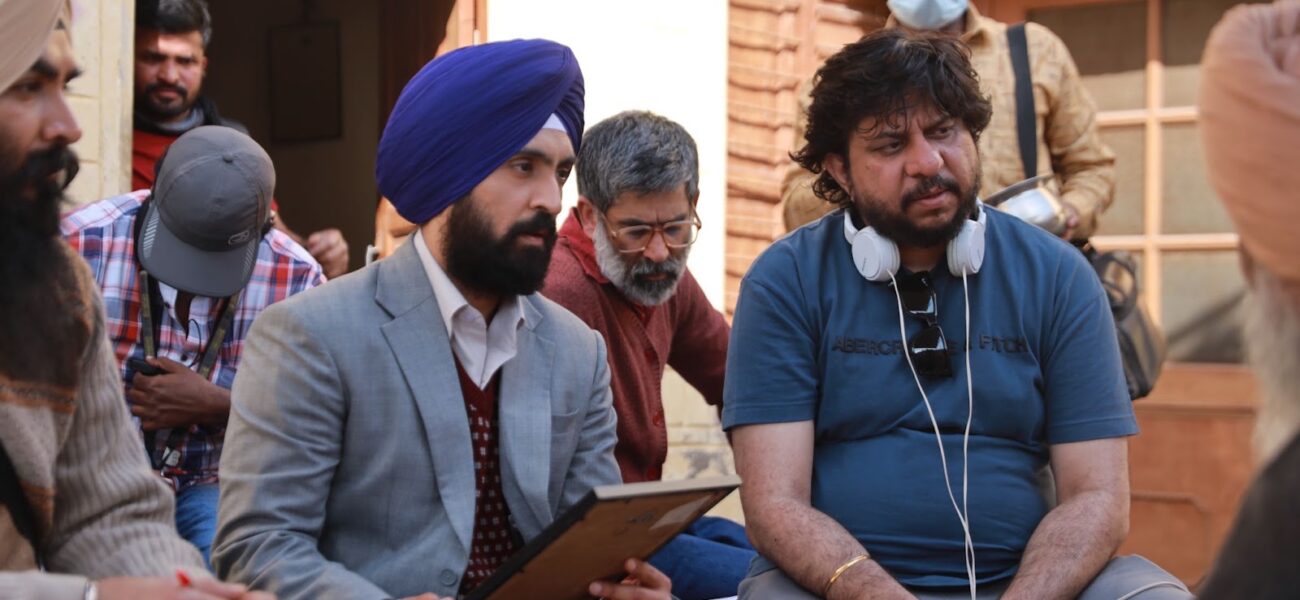
Why Satluj Was Banned: Diljit Dosanjh’s Film and the Khalra Story
Somewhere in Punjab this month, a village hall or a gurdwara courtyard was quietly turned into a cinema. Neighbors brought homemade lassi. Someone rigged a projector to a bedsheet. And a community...

Somewhere in Punjab this month, a village hall or a gurdwara courtyard was quietly turned into a cinema. Neighbors brought homemade lassi. Someone rigged a projector to a bedsheet. And a community sat together to watch a film their own government has decided they should not be allowed to see. That image, more than any statement from a censor board, captures what is actually happening with Satluj, and what is wrong with the decision to ban it.
The Diljit Dosanjh’s film tells the story of Jaswant Singh Khalra, a bank employee in Amritsar who set out to find one missing friend and uncovered evidence of thousands of disappearances during the government’s crackdown on Punjab’s separatist movement in the 1980s and 1990s. Khalra alleged that police secretly cremated nearly twenty five thousand unidentified bodies without informing families or keeping records. For telling that truth, he was taken from outside his home in September 1995 and never seen again. Five police officials are now serving life sentences for his murder. This is not a contested legend. It is a matter of settled criminal conviction.
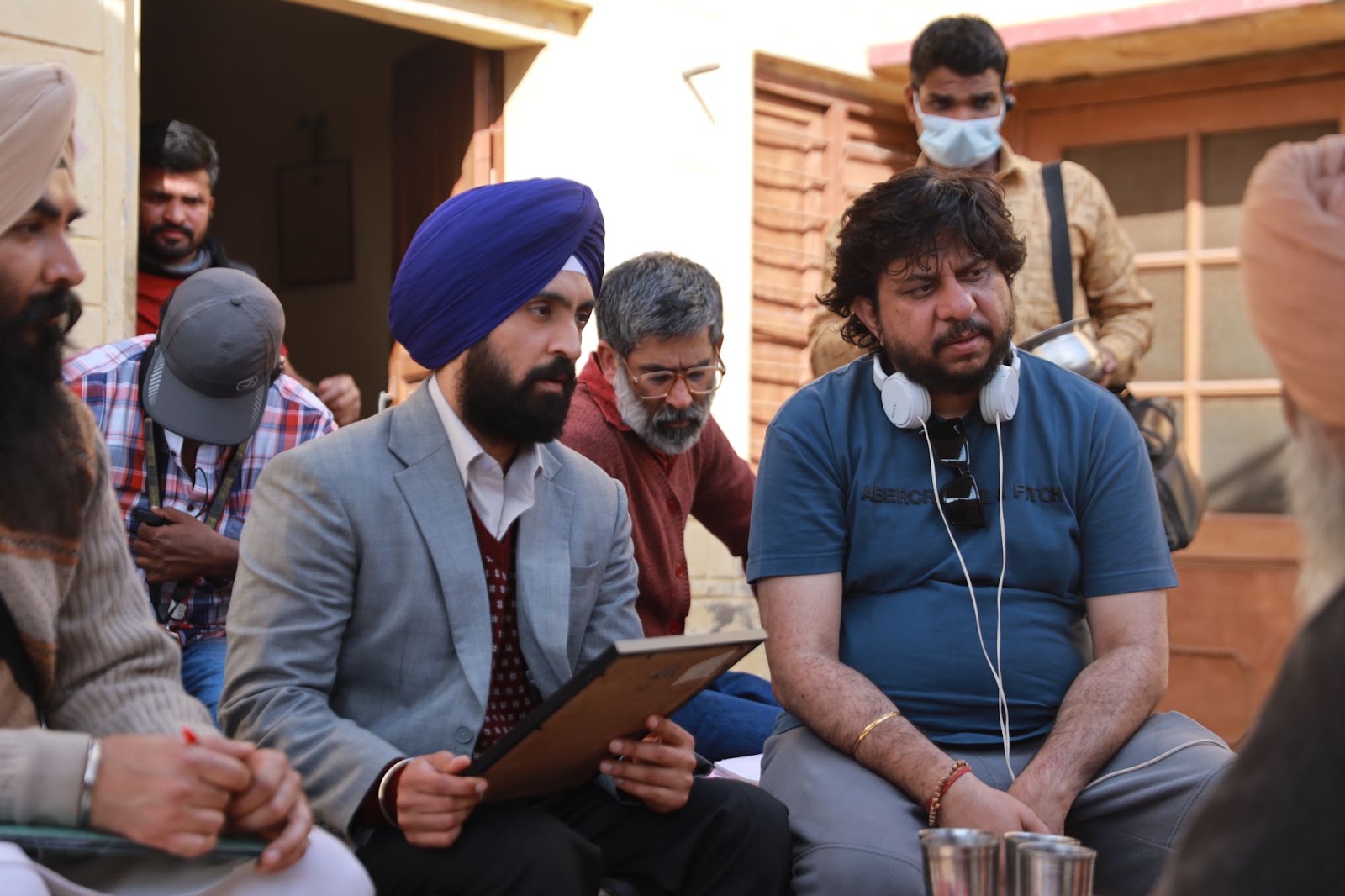
And yet the film that simply dramatizes this record spent three years fighting India’s censor board before its makers finally gave up seeking a theatrical release and put it on ZEE5 instead. Within forty eight hours, it was pulled. Officials have offered no specific factual objection, no claim that any scene misrepresents events. A government review committee is reported to have concluded only that the film runs against India’s sovereignty, a phrase so broad it explains nothing while foreclosing everything. When a government cannot name what is inaccurate about a true story, and objects instead to the fact that the story is being told at all, it has stopped making an argument and started issuing an order.
This is censorship aimed not at fiction but at memory. Khalra’s widow, Paramjit Kaur, spent years forcing a reluctant state to investigate her husband’s killing. That fight produced convictions in court. It has not produced a country willing to let its citizens watch a film about what those convictions were for. The government that once conceded, under enormous pressure, that its own police murdered Khalra now appears determined to ensure as few people as possible ever see that story rendered whole.
The ban has already failed, and its failure is instructive. The film is circulating anyway, reposted across video platforms faster than links can be removed. Sikh communities in London, New York and Toronto have organized their own screenings, refusing to let a government’s discomfort dictate what their diaspora remembers. In Gurdaspur, one viewer described the film simply as a horror show made of reality, not invention. That is the real threat officials seem to fear: not falsehood, but recognition. A public that watches Satluj does not learn something new about Punjab’s past so much as it is finally handed permission to grieve it openly.
There is a wider pattern worth naming plainly. Under the current government, independent films willing to question police and state conduct have repeatedly faced censor board delays, mandated cuts, or outright bans, while films flattering to the ruling party have moved through the same system with little resistance, often receiving tax exemptions and enthusiastic official promotion along the way. Satluj is not an isolated casualty. It is the latest and clearest example of a system that treats inconvenient history as a security threat and convenient propaganda as harmless entertainment, one that decides which version of the past deserves a screen and which one deserves to be quietly disappeared, much like the families Khalra spent his life trying to find.
To be fair to the other side of this argument, officials would say Punjab’s insurgency years remain a genuinely sensitive wound, that separatist sentiment has not fully disappeared, and that a widely viewed film revisiting that period carries some real risk of reigniting old grievances or unrest. That is a claim a government is entitled to make and citizens are entitled to weigh for themselves.
But a democracy confident in its own institutions should be strong enough to let its citizens watch a film about a man its own courts agreed was murdered for telling the truth. Banning Satluj has not erased Khalra’s story. It has only proven, once again, exactly why he thought that story was worth dying to tell.
Author