


Inferno Behind Iron Bars: Paris’s Unseen Summer of Suffering as Heat Breaks Down French Justice
POLICY WIRE — PARIS, France — Summer in Paris. For millions, it conjures up images of café terraces, strolls along the Seine, — and postcard-perfect days. But for thousands trapped behind the high...

POLICY WIRE — PARIS, France — Summer in Paris. For millions, it conjures up images of café terraces, strolls along the Seine, — and postcard-perfect days. But for thousands trapped behind the high walls of the city’s suburban penal institutions, it’s something else entirely: a descent into a scorching, stifling, barely tolerable hell. No leisurely picnics on manicured lawns, no refreshing spritzes from public fountains for them. Instead, it’s cellblocks morphing into ovens, where the air hangs thick — and the concrete radiates misery.
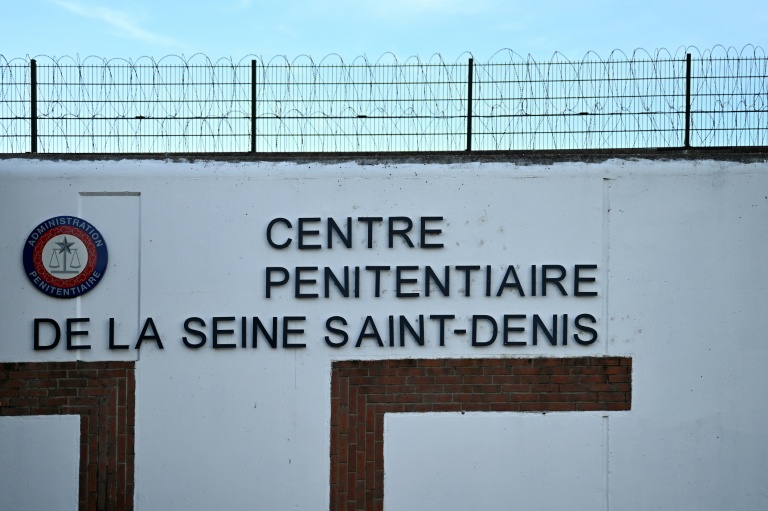
It’s this often-ignored, brutal flip side of Parisian charm that’s boiling over, quite literally. Reports from a notoriously packed facility in a Paris suburb paint a stark picture: inmates aren’t just uncomfortable, they’re reporting conditions they brand ‘inhumane.’ They’re talking about basic dignity evaporating faster than puddles on a hot pavement. It’s a crisis festering behind brick and razor wire, shielded from the romantic glow the City of Lights typically projects.
Because, let’s be honest, few folks outside these walls actually spare a thought for the correctional facilities, not when there’s an Eiffel Tower to gawp at. But the mercury, it doesn’t discriminate. And inside, where three or four men might be crammed into cells designed for one, the sheer physical toll becomes horrific. The lack of air circulation, the inadequate access to water, the simple inability to escape the stifling heat — it strips away everything. It’s not just discomfort; it’s a profound health risk, a gnawing torment that chews at the mind as much as the body.
But officials? They’re caught between a rock — and a perpetually overheated hard place. “We’re acutely aware of the challenges our personnel and detainees face,” acknowledged a Ministry of Justice spokesperson, speaking on background, unwilling to be named while addressing the thorny issue. “It’s a complex, multi-faceted problem, driven by structural overpopulation that cannot be resolved overnight. We’re exploring every avenue, but these are systemic issues, aren’t they?” That’s code for: we know, but we don’t have easy answers, or maybe enough money.
And that’s the rub, isn’t it? France’s penal system consistently struggles with overcrowding. European data regularly positions France among the worst offenders on the continent for prison population density. Just last year, the Council of Europe’s latest penal statistics indicated an average occupancy rate nearing 120% across French prisons—some facilities, like the ones under current scrutiny, rocket far higher. It’s a statistic that doesn’t just represent numbers; it represents human beings stacked like sardines, stewing in their own desperation.
Opposition figures, predictably, aren’t holding back. “It’s an absolute disgrace,” thundered Senator Marine Durand, a prominent Socialist Party voice and fierce advocate for penal reform. “This isn’t about punishment; it’s about active torment. We’re better than this, or at least we should be. When a nation allows its citizens, even incarcerated ones, to suffer in conditions like these, it speaks volumes about our supposed commitment to human rights. It’s an indefensible dereliction of duty by the current administration.” Strong words, for sure.
It makes you wonder, doesn’t it, about the echoes this situation finds across the globe. You look at Paris, a wealthy European capital, grappling with these issues, and then you consider prisons in places like Pakistan or other parts of the developing Muslim world. There, the ‘inhumane’ conditions experienced during a Parisian heatwave might just be the baseline, the everyday reality year-round, amplified by even scarcer resources and more extreme climates. It’s a grim universal thread, the way correctional systems often become receptacles for societal neglect, from Marseilles to Multan. And whether it’s a sweltering cell in suburban Paris or a choked detainment center in the Mideast, the narrative of suffering behind walls stays chillingly consistent.
What This Means
This boiling point in French prisons isn’t just a humanitarian crisis; it’s a searing indictment of policy inertia. Economically, the country’s continued failure to invest adequately in prison infrastructure and reform means spiraling legal costs from inmate lawsuits and European Court of Human Rights judgments. It’s a costly Band-Aid approach when systemic overhaul is desperately needed. Politically, the situation plays directly into the hands of both far-right and far-left factions who decry the state’s inefficiency and perceived breakdown of order. The public might be split on sympathy for inmates, but few appreciate tax euros wasted on legal battles or a system that manifestly doesn’t ‘work.’ This current inferno—metaphorical and literal—compromises any claim to rehabilitative justice, pushing people to their breaking points rather than towards reform. It signals a national neglect that, like the heat itself, won’t dissipate easily, potentially igniting broader social and legal clashes. The French justice minister has a proper headache on their hands; the political fallout from this summer’s ungodly heat might just prove harder to endure than the weather itself.