
When the Vulnerable Pay the Highest Price for a Crisis They Did Not Create
In the halls of global diplomacy, climate change is often discussed in numbers, targets, and pledges. Yet for millions across the world’s most vulnerable states, climate change is not a statistic. It...

In the halls of global diplomacy, climate change is often discussed in numbers, targets, and pledges. Yet for millions across the world’s most vulnerable states, climate change is not a statistic. It is loss, grief, and survival. Pakistan’s call for equitable and accessible climate finance at the United Nations Environment Assembly gives voice to this human reality, not only for itself, but for all nations standing on the front lines of a warming planet.
Speaking in Nairobi, Pakistan’s Minister for Climate Change, Dr. Musadik Malik, reminded the international community that climate action cannot be selective. It must be a shared global responsibility that includes every vulnerable state, from small island developing states facing rising seas, to least developed countries struggling with drought and food insecurity, to climate exposed nations across South Asia, Africa, Latin America, and the Middle East. These countries differ in geography and culture, but they are united by one injustice. They suffer the most while contributing the least to the crisis.
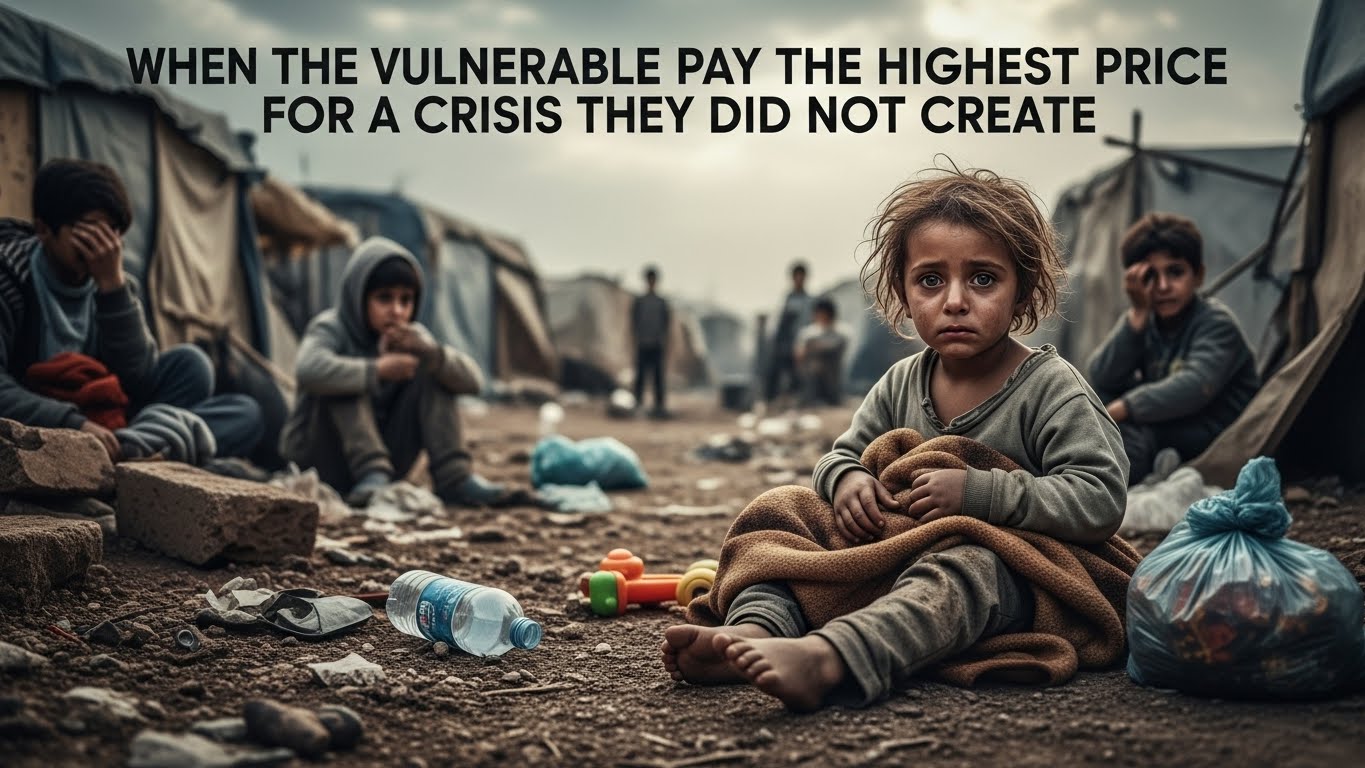
Pakistan’s own experience reflects this painful truth. Repeated climate induced disasters have scarred the nation’s landscape and its people. This year’s monsoon floods swept away homes, livelihoods, and more than a thousand lives. The super floods of 2022 left devastation on a scale rarely seen, with damages estimated at $30 billion. Behind these figures are families who lost everything, children pulled out of schools, and communities forced to rebuild again and again with limited support. This story is echoed across Bangladesh, Somalia, Mozambique, Haiti, Pacific island nations, and countless other vulnerable states where climate shocks erase decades of development overnight.
Dr. Malik’s demand for equity speaks directly to the deep imbalance in the global climate finance system. Promises are made, but funds are delayed. Procedures are complex, but disasters are immediate. For vulnerable states, inaccessible finance means prolonged suffering and fragile recovery. Equity means more than pledges. It means timely, affordable, and predictable support that recognizes loss and damage, supports adaptation, and allows nations to protect their people with dignity.
The forum’s focus on environmental degradation and the global financial system highlights a reality the world can no longer ignore. Climate vulnerability is not a regional problem. It is a global one. When vulnerable states collapse under climate pressure, the consequences ripple outward through food systems, migration flows, economic markets, and global security. Ignoring the cries of vulnerable nations today only guarantees deeper instability tomorrow.
Pakistan’s message is therefore not a solitary appeal. It is a collective plea on behalf of all climate vulnerable states, including least developed countries, small island developing states, and climate exposed developing economies. It calls on developed nations to honor their historical responsibility and to translate climate commitments into real, accessible action.
In demanding equitable climate finance, Pakistan is asking the world to choose empathy over indifference and justice over delay. Climate change may be global, but its pain is uneven. The measure of humanity’s response will be whether those with the greatest means stand firmly with those who bear the greatest burdens.
Climate justice begins when survival is treated as a right, not a privilege reserved for the powerful.
Author