


When Labels Don’t Save Lives: South Africa Drowns in Bureaucracy and Rain
POLICY WIRE — Pretoria, South Africa — There’s a peculiar ritual that unfolds across South Africa with increasingly depressing regularity. The skies open. Rivers swell. Shacks — and, yes, the...

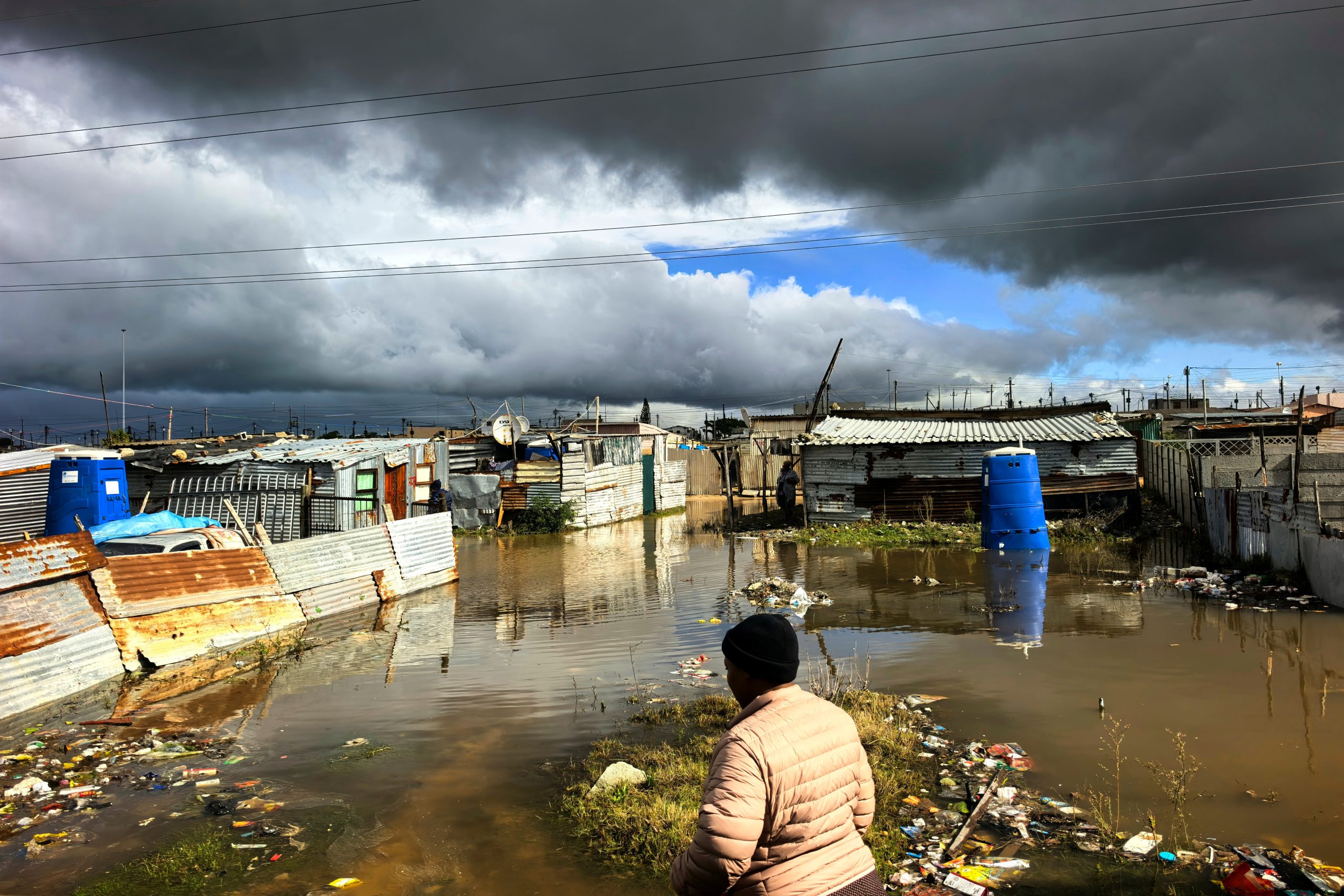
POLICY WIRE — Pretoria, South Africa — There’s a peculiar ritual that unfolds across South Africa with increasingly depressing regularity. The skies open. Rivers swell. Shacks — and, yes, the occasional mansion — get swept away. Then, with an almost practiced bureaucratic sigh, the government declares a ‘natural disaster.’ Another one. It’s a formal pronouncement, mind you, laden with meaning for aid agencies and treasury departments, but it often feels like a label slapped onto an open wound that simply won’t heal.
This time, it’s floods again. At least ten lives have vanished into the churned waters. Homes have disintegrated. Dreams, frankly, shattered into so much debris. And just like clockwork, the official declarations began. Emergency responders are working flat out, we’re told. Ministers issue sombre statements, their faces a familiar canvas of concern. But one has to ask, doesn’t it ever stop being a ‘disaster’ — and just start being, well, the status quo? A recurring, tragic failure to adapt, to build resiliently?
President Cyril Ramaphosa, a man not unacquainted with a tight spot, addressed the ongoing catastrophe with customary gravitas. “We simply cannot stand by as our communities face repeated devastation,” he stated recently. “This isn’t just weather; it’s an existential challenge demanding unified national resolve.” Strong words, no doubt. But the underlying issue remains: year after year, same song, different verses.
But the numbers tell a starker tale than official communiqués. The World Bank reported in 2021 that extreme weather events had already cost South Africa ZAR 59.4 billion (approximately USD 4.1 billion) since 2017. That’s a lot of rand washing away. That’s precious capital – funds that could, — and should, be rebuilding, strengthening, preparing.
Nkosazana Dlamini-Zuma, the Minister of Cooperative Governance and Traditional Affairs, pulled fewer punches, a refreshingly blunt assessment often absent from these discussions. “Our emergency services are stretched thin, yes,” she conceded, her voice a strained rasp, “but the root causes – informal settlements, decaying infrastructure, inadequate drainage systems – they require systemic answers, not just sandbags and rescue boats.” And she’s right, isn’t she? The government’s continued inability to address these foundational issues is as clear as the muddy torrents overflowing the riverbanks.
Because, really, what exactly does declaring a ‘natural disaster’ *do* after the third, fourth, or tenth time? It opens funding avenues, sure. It mobilizes resources. It offers a framework for response. But it also, ironically, can normalize the abnormal. It allows policymakers to treat symptoms rather than the persistent, gnawing disease of climate change vulnerability layered atop socio-economic disparity.
The tragedy isn’t isolated to this southern tip of Africa. You see echoes of this systemic frailty in places like Pakistan — and Bangladesh, too. Monsoon deluges, tropical cyclones—they rip through informal settlements with the same merciless indifference. Cities like Karachi, already struggling with burgeoning populations and aging services, confront a similar climate gauntlet, where lives are measured not just by prosperity but by sheer exposure to natural forces. It’s a shared global burden, particularly for nations in the developing world, to grapple with weather that seems increasingly intent on making their already tough lives impossible.
It makes you wonder: at what point do these ‘natural disasters’ stop being ‘acts of God’ and start being ‘acts of negligence’ on the part of state and citizenry alike? Maybe it’s when the declarations outnumber the sustainable solutions. Maybe it’s when communities find themselves relocating, not once, but repeatedly, like a recurring bad dream that never quite fades. You see this relentless cycle in so many places, from Indonesia’s volcanic slopes to the collapsing infrastructure of impoverished coastal towns.
What This Means
Politically, this fresh wave of disaster — and the official response to it — casts a long shadow over South Africa’s ruling African National Congress (ANC). With general elections looming, voters won’t just remember promises, they’ll remember what actually got delivered, or what didn’t, when their roofs were swept away. The constant need for emergency intervention signals a government unable to implement long-term preventative measures, painting a picture of reactive rather than proactive governance. Economically, the cost of reconstruction, emergency relief, and the psychological toll on communities strains an already fragile fiscus. Insurers hike premiums; development projects face delays. But more insidiously, this pattern drives deeper inequality, disproportionately affecting the poor who live in precarious areas and lack the resources to rebuild. It’s a perpetual drain, sucking capital — and trust from a nation that frankly, can’t afford to lose either.