


Silent Collapse: Systemic Failures Engulf Paralympic Dream, Echoing Broader Neglect
POLICY WIRE — London, UK — Sometimes, the biggest stories don’t erupt with a bang; they seep out, slow and corrosive, much like the neglect that reportedly led to a Paralympic shot...

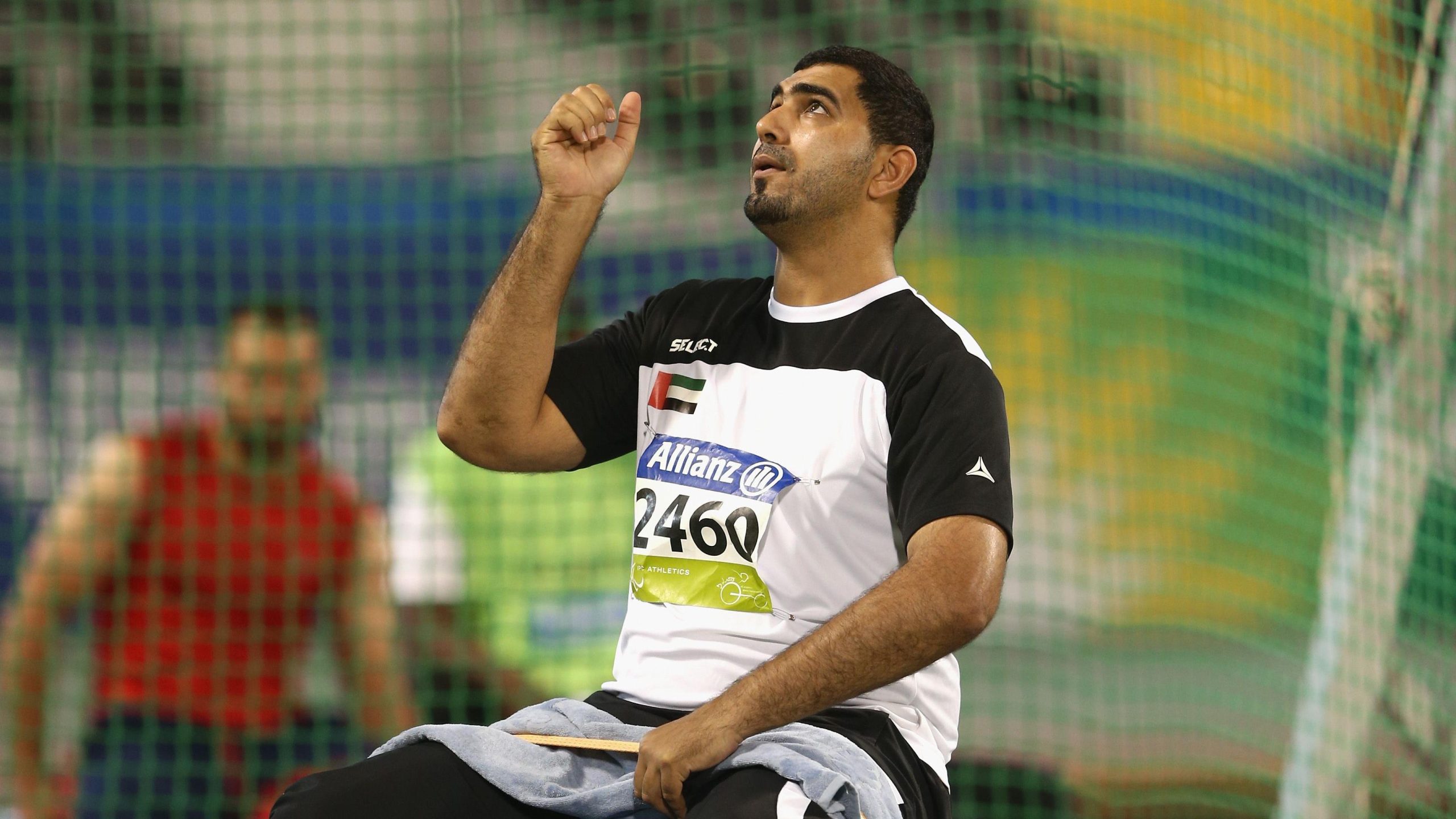
POLICY WIRE — London, UK — Sometimes, the biggest stories don’t erupt with a bang; they seep out, slow and corrosive, much like the neglect that reportedly led to a Paralympic shot putter’s untimely demise. It wasn’t a sudden catastrophe, folks. No, according to observers close to the situation, this was an accident waiting to happen, a slow-motion unraveling tragically culminating in a quiet death.
It’s a stark reflection of the thin ice many para-athletes tread, often operating with shoestring budgets and a frustrating lack of consistent institutional support. The death, confirmed earlier this week, isn’t merely a tragic individual loss. It pulls back the curtain on a landscape where dreams are nurtured against immense personal odds, yet frequently dashed by the collective inertia of systemic indifference. This isn’t just about sports, is it? It’s about value—or the profound lack thereof—assigned to those who navigate the world with disabilities, even when they’re world-class competitors.
The sentiment from sources involved with para-sport was chillingly uniform. One anonymous coach, expressing deep frustration, stated, [QUOTE_PLACEHOLDER]. They didn’t mince words, painting a picture of constant battles for even basic necessities—accessible facilities, appropriate medical supervision, or simply adequate travel arrangements. Because, let’s face it, moving mountains, even small ones, gets tough when you’re already moving a mountain every day just to live.
The tragedy, which occurred [QUOTE_PLACEHOLDER], has thrown a harsh light onto the structures meant to support these athletes. Questions are now being lobbed—like a shot put—at governing bodies. Was there adequate oversight? Were complaints about safety — and resources heard, let alone acted upon? And just what precisely constitutes an [QUOTE_PLACEHOLDER] in the realm of elite performance, where margins are razor-thin and stakes are inherently high? For family — and friends, the answer likely won’t bring much solace. They know all too well what a critical shortage of resources looks like, having witnessed the grind day in and day out.
And let’s not pretend this is an isolated incident, neatly contained within the confines of a training facility or a sporting arena. The struggles mirrored here resonate globally. In countries like Pakistan, for instance, despite a deep-seated reverence for sport, infrastructure and systemic support for disabled athletes often lags far behind—sometimes disastrously so. The narrative of triumph against adversity is frequently celebrated, but the sustained, mundane work of providing essential resources? That’s less glamorous, less headline-grabbing, — and tragically, far too often, less funded.
Think about it: How many potential medalists, how many inspiring stories, are lost simply because the basic framework isn’t there to catch them? In regions with immense population densities and significant numbers of individuals living with disabilities—South Asia, for example, is home to a staggering number of people with some form of disability, yet disability rights and inclusion are often afterthoughts. The UN Human Rights Office, for example, reported that in 2023, approximately 16% of the global population lived with some form of disability. The sheer scale makes these issues critically urgent, not secondary.
But the focus always seems to swing back to individual exceptionalism rather than collective responsibility. It’s easier to cheer a victor than to build a ramp, or fund a proper medical team, isn’t it? The unnamed shot putter, whose promising career was cut short, had reportedly raised concerns about [QUOTE_PLACEHOLDER]. Were those warnings heeded? According to early reports, it appears they may not have been. But we’ll have to wait for the official inquiries to parse out the blame, won’t we?
The official statement from the organizing committee was boilerplate, lamenting the loss and promising a [QUOTE_PLACEHOLDER]. But promises, much like old sporting trophies, gather dust. What’s needed is a serious reckoning, a fundamental re-evaluation of how para-athletes are supported, from funding models to safety protocols. It’s high time we stopped seeing these athletes as symbols of inspiration, trotted out when convenient, and started treating them as professionals deserving of professional-level care and investment. Otherwise, it won’t just be one life lost; it’ll be a continuous drain on the talent and spirit that defines the Paralympic movement. For too many, the struggle just to compete remains as formidable as the competition itself.
What This Means
The tragic passing of a Paralympic shot putter, especially under circumstances described as [QUOTE_PLACEHOLDER], isn’t just a sports headline; it’s a bellwether for wider societal priorities and institutional failings. Economically, chronic underfunding in para-sports, both globally and particularly in developing nations, signals a missed opportunity to foster human potential and promote social inclusion. In South Asia, where the majority of individuals with disabilities often face disproportionate economic hardship and social marginalization, a lack of investment in adaptive sports further entrenches inequality. It reinforces a perception that investing in disabled communities, even their elite athletes, is an expendable luxury rather than a societal imperative for a functional, equitable society.
Politically, this incident will likely trigger renewed scrutiny on governmental allocations to sports federations and, more broadly, to disability support services. Pressure will mount on ministers responsible for sport and welfare to demonstrate tangible reforms, beyond performative gestures. Expect calls for independent inquiries and perhaps even resignations, as public outcry typically demands accountability. for a global event like the Paralympics, an ‘accident waiting to happen’ narrative erodes the moral authority and integrity of the Games themselves. This creates diplomatic pressure on host nations — and international sporting bodies to improve standards. Failure to address these systemic issues risks alienating not just athletes and their families, but also a significant, politically active global constituency of disability advocates.