

New Mexico’s Deluge: A Glimpse into Arid Futures, East and West
POLICY WIRE — Albuquerque, N.M. — It’s a familiar seasonal ballet, this monsoon, except it isn’t. Not anymore. What used to be a reliable, if sometimes unwieldy, weather phenomenon in the American...

POLICY WIRE — Albuquerque, N.M. — It’s a familiar seasonal ballet, this monsoon, except it isn’t. Not anymore. What used to be a reliable, if sometimes unwieldy, weather phenomenon in the American Southwest has become a far more erratic beast. New Mexico, a state better known for its vast deserts and persistent droughts, now faces an unwelcome aquatic reckoning. But this isn’t just a local weather report; it’s a micro-drama reflecting larger, unsettling climate narratives playing out across continents, from these dusty mesas to the teeming deltas of the Indus.
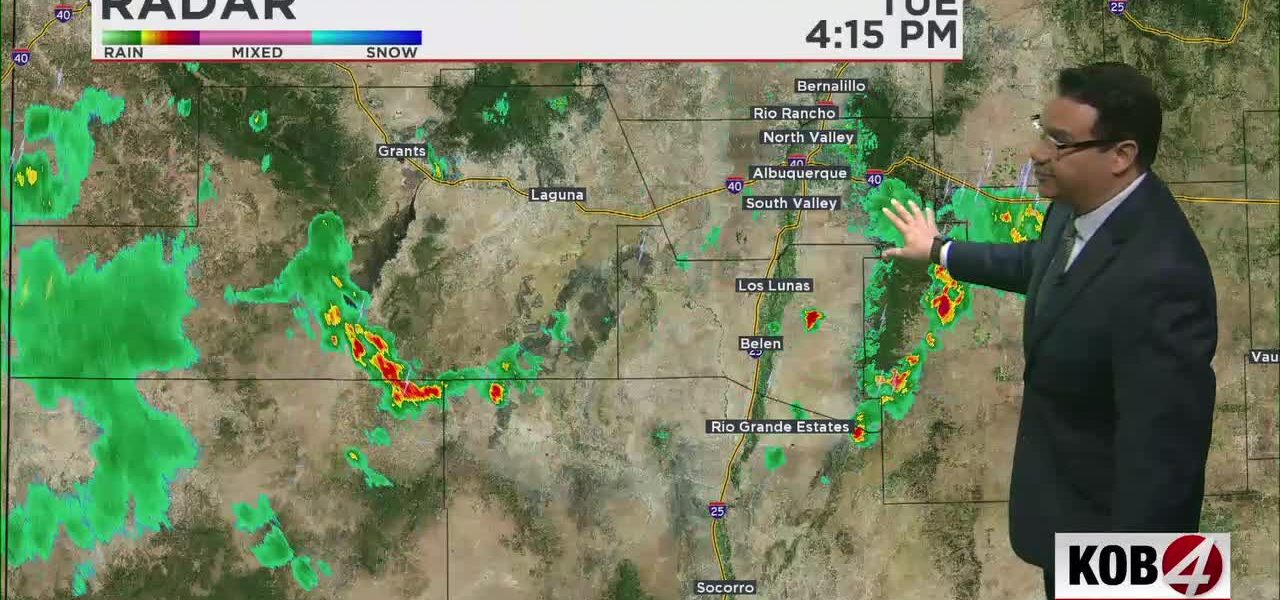
Forecasts are painting a wet, unsettling picture, — and you can feel the humidity already thickening the air. The National Weather Service isn’t mincing words; they’re warning that a more active monsoon pattern will bring widespread soaking rain across much of New Mexico from Thursday through Saturday with flash flood risk rising each day. That’s a mouthful, isn’t it? But it neatly encapsulates a phenomenon that’s fast-tracking what was once a slow, steady change. [QUOTE_PLACEHOLDER]
It’s not just a downpour, either. These aren’t your grandpa’s gentle summer showers. Scattered thunderstorms have been lashing various population centers – Albuquerque, Santa Fe, Gallup, Grants, Socorro, Silver City, Farmington, and Chama – delivering what officials term strong, erratic wind gusts, brief heavy downpours, small hail and frequent cloud-to-ground lightning. People are getting used to it, which is the problem, frankly. We adapt to disaster until it feels normal. But this isn’t normal.
Wednesday brought a new helping of the same, with the storms capable of producing heavier rainfall than today as monsoon moisture continues to increase. It’s a stair-step progression, really, a slow ramp-up to an expected deluge. But what truly changes later, according to the meteorologists, is the intensity. From Thursday through Saturday, the monsoon becomes much more active. Showers — and thunderstorms will produce more widespread soaking rainfall across much of New Mexico. The forecast isn’t just local anymore; it’s statewide, hitting major hubs like Ruidoso, Cloudcroft, and Las Vegas alongside the usual suspects.
The stakes here aren’t academic. Flash flooding, for instance, isn’t some distant headline. It’s a sudden, violent reality, capable of washing away infrastructure, homes, — and lives. The flash flood threat will increase each day. And because these things never come alone, particular concern zeroes in on the Ruidoso area burn scars. For the Ruidoso area burn scars, the risk is low Thursday, moderate Friday and moderate or higher Saturday if repeated storms develop. These denuded landscapes, charred by wildfires, are stripped of their natural sponge, making them perfectly primed for disastrous runoff. Other parts of western and central New Mexico could also see localized flash flooding if several rounds of rain track over the same areas.
Interestingly, the immediate upside — or perhaps the cruel irony — is that high temperatures will cool to below average because of increased cloud cover and rain. A small reprieve before the larger calamity, if you will. But it won’t ease the growing anxiety of those who’ve lived through these intense deluges before.
📄 POLICY WIRE WHITEPAPER PUBLISHED: PAKISTAN'S NATIONAL SECURITY POLICY PRIORITIES
👉 READ BY CLICKING HEREWhat This Means
This isn’t merely an act of nature; it’s a symptom. The escalating unpredictability of these weather patterns in New Mexico directly mirrors — in miniature, perhaps — the larger environmental cataclysms impacting nations reliant on monsoon systems. Consider Pakistan. Its population, roughly 240 million, lives under the perennial threat of the South Asian monsoon, an essential but increasingly violent system. In 2022, unprecedented floods there displaced millions and caused an estimated $30 billion in damages, effectively wiping out entire regions. That’s the extreme end of the spectrum, yes, but the mechanics, the increasing erraticism, they’re unsettlingly familiar.
Because the consequences here extend far beyond merely cleaning up. There’s the immediate economic hit to agriculture, infrastructure, — and even tourism. Then there’s the political fallout: How effectively does local governance respond? What resources does a state like New Mexico truly have for resilience and recovery when these once-rare events become the new norm? Are federal funds coming? It becomes a matter of policy, allocation, — and frankly, who gets left behind. The data, if we bother to look, isn’t optimistic. The National Oceanic and Atmospheric Administration reports that since 2000, flash flood incidents across the U.S. have increased by 20%, an inconvenient truth for those who prefer stasis. This isn’t just about umbrellas and sandbags; it’s about fundamentally rethinking how we build, how we plan, and how we cope with a climate that’s simply not going to be predictable anymore.
It’s not just a weather problem; it’s an governance problem. And it begs the question: are our institutions designed for this new level of environmental instability, or are we, like those residents in flash flood zones, merely hoping the worst skips our particular doorstep? Global challenges—like those seen in areas contending with border disputes and geopolitical tensions—often find common ground in shared environmental threats, binding distant localities together whether they like it or not. The choices we make now regarding infrastructure, disaster preparedness, and sustainable land use aren’t just for New Mexico; they’re for a planet that’s increasingly delivering the unexpected, demanding an immediate, decisive, and often expensive policy pivot.