


US Criticizes Malaysia’s Israel Stance Amid Growing Diplomatic Disconnect
US criticism of Malaysia's ban on Israeli nationals highlights a widening diplomatic rift and longstanding policy differences.

POLICY WIRE — City, Country — US criticism of Malaysia’s decision to ban Israeli nationals from entering the country is unlikely to prompt a significant shift in Malaysia’s foreign policy, analysts have stated. This follows Prime Minister Anwar Ibrahim’s rejection of accusations that the move was antisemitic.
The remarks have escalated a dispute that has drawn in members of the US Congress, Malaysia’s long-standing refusal to recognize Israel, and the widening international debate over where criticism of Israel ends and hostility towards Jewish people begins.
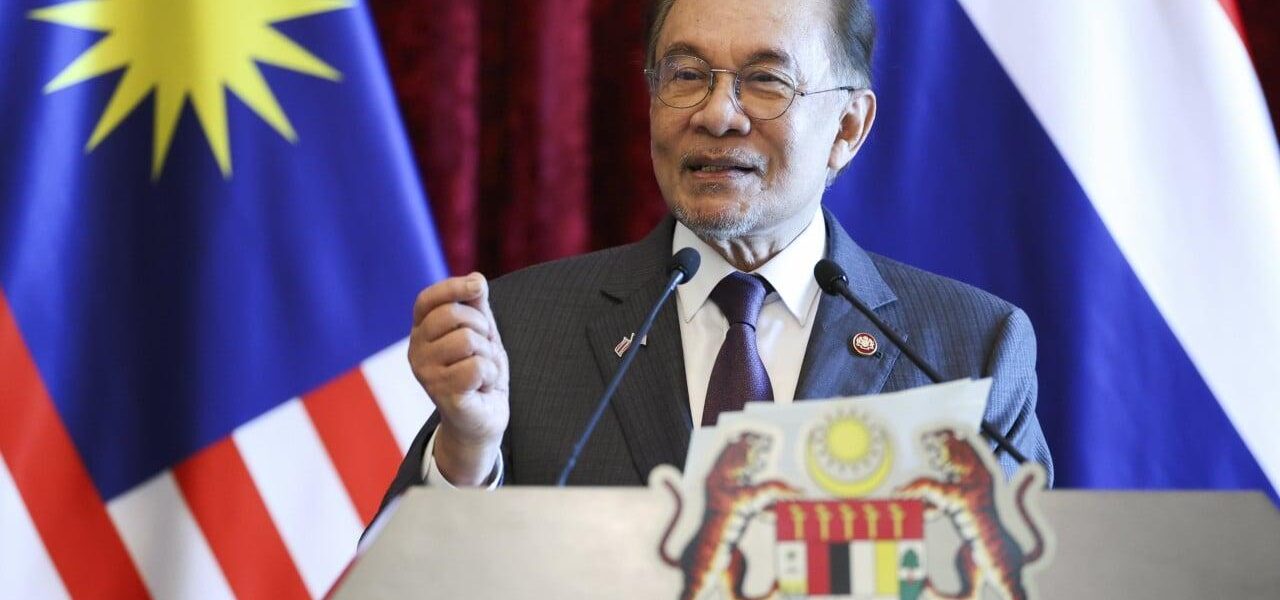
Anwar Ibrahim defended the policy, stating, “We’re not antisemitic; our stance is based on solidarity with the Palestinian cause.” This defense comes amid growing tensions between the two nations over differing approaches to the Israeli-Palestinian conflict.
US officials have expressed disappointment with Malaysia’s decision, with a State Department spokesperson noting, “We urge Malaysia to reconsider this ban, which we believe is counterproductive to fostering international understanding and cooperation.”
The ban, which was implemented earlier this year, has been a point of contention in bilateral relations. Malaysia has consistently aligned itself with Palestinian rights in international forums, a position that has drawn both praise and criticism from various global actors.
Analysts suggest that the US criticism is unlikely to sway Malaysia’s entrenched foreign policy positions. Dr. Mohd Azizuddin Mohd Sani, a political analyst at Universiti Sains Malaysia, remarked, “Malaysia’s policy towards Israel is deeply rooted in its domestic political landscape and regional alliances. External pressures are unlikely to lead to a major policy shift.”
The situation is further complicated by the involvement of US Congress members, who have called for a review of bilateral ties with Malaysia. Representative Brad Sherman stated, “Malaysia’s actions are not only discriminatory but also detrimental to global peace efforts.”
Malaysia’s longstanding refusal to recognize Israel dates back to the establishment of Israel in 1948. This position has been a cornerstone of its foreign policy, influenced by domestic political dynamics and regional alliances within the Muslim world.
The international community continues to debate the fine line between legitimate criticism of Israel’s policies and expressions of antisemitism. This debate has become increasingly polarized, with countries taking firm stances based on their own geopolitical interests and historical alliances.
As the dispute unfolds, it remains to be seen whether the US criticism will lead to any tangible changes in Malaysia’s policy or if it will further entrench existing positions. The incident underscores the complexities of international relations and the challenges of navigating differing national interests and historical grievances.
Reporting by Policy-Wire (PW)