


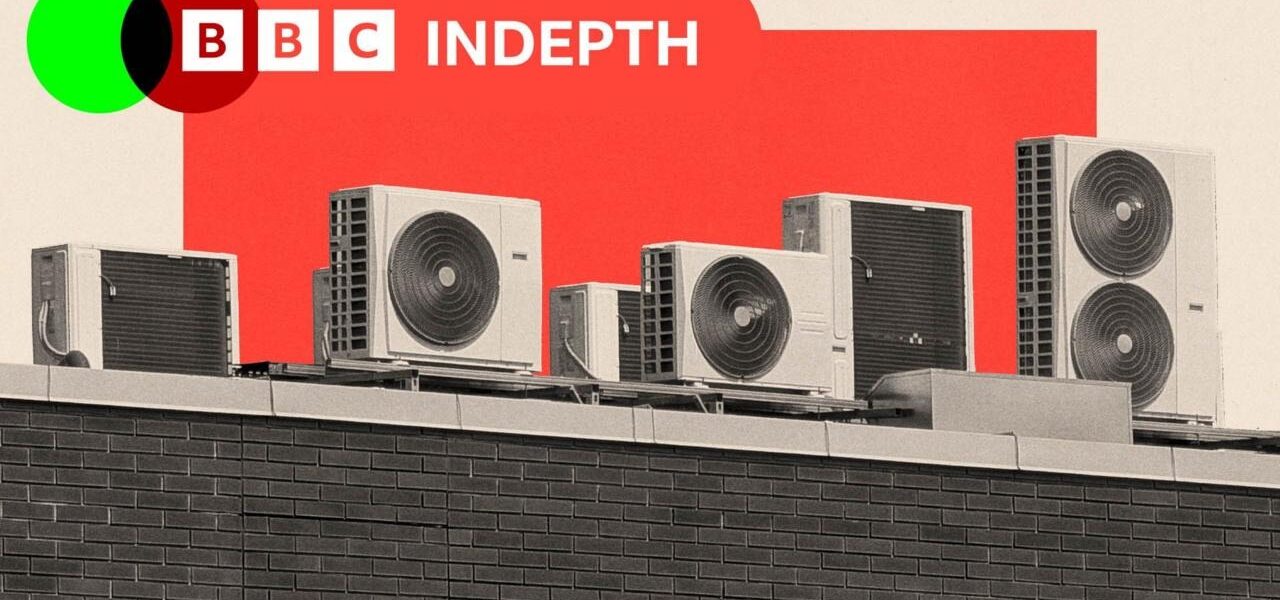
UK Heatwave Sparks Debate on Air Conditioning Implementation
POLICY WIRE — London, UK — The United Kingdom is experiencing an unprecedented heatwave, with temperatures soaring to record highs. This extreme weather has prompted a national debate on the...

POLICY WIRE — London, UK — The United Kingdom is experiencing an unprecedented heatwave, with temperatures soaring to record highs. This extreme weather has prompted a national debate on the widespread adoption of air conditioning (AC) systems.
Traditionally, the UK has relied on natural ventilation and minimal use of AC due to its typically temperate climate. However, the recent surge in temperatures has raised concerns about public health and comfort, particularly for vulnerable populations such as the elderly and those with pre-existing health conditions.
“The current heatwave has made it clear that we need to reconsider our approach to cooling our homes and public spaces,” said Dr. Emily Watson, a climate scientist at the University of East Anglia. “While air conditioning can provide immediate relief, it also comes with significant environmental and economic costs.”
The environmental impact of increased AC usage is a primary concern. Air conditioning units are energy-intensive, often relying on fossil fuels to generate the necessary power. This contributes to higher greenhouse gas emissions, exacerbating climate change—a paradox given that climate change is a driver of the heatwaves themselves.
“We are at a crossroads,” noted environmental activist Jane Mitchell. “While air conditioning offers a solution to immediate discomfort, it is not sustainable in the long term. We need to explore more eco-friendly alternatives and improve energy efficiency across the board.”
Economically, the cost of installing and maintaining AC systems is another deterrent. For many households, the initial investment and ongoing energy bills are prohibitive. Additionally, there are concerns about the strain on the national grid during peak usage times, potentially leading to blackouts.
The government is currently evaluating various strategies to address the issue. This includes potential subsidies for energy-efficient AC units, investments in green technologies, and public awareness campaigns on the importance of staying cool without relying solely on air conditioning.
“We are looking at a multifaceted approach to tackle this issue,” said Energy Minister Robert Hughes. “it is not just about installing more air conditioners; it is about creating a sustainable and resilient system that can handle extreme weather events.”
As the debate continues, the heatwave shows no signs of abating, making the conversation around air conditioning both urgent and complex. The UK must weigh the immediate need for comfort against the long-term environmental and economic implications.
Reporting by Policy-Wire (PW)
📖 GET YOUR FREE COPY NOW OF POLICY WIRE DIGITAL MAGAZINE JULY 2026 EDITION