


UEFA Cracks Down on Homophobia in Football After Vinicius Jr. Incident
POLICY WIRE — Nyon, Switzerland — It unfurled with a pointed finger and a hushed accusation on a Champions League pitch, an eerie reverberation of racism that’s too often marred European...

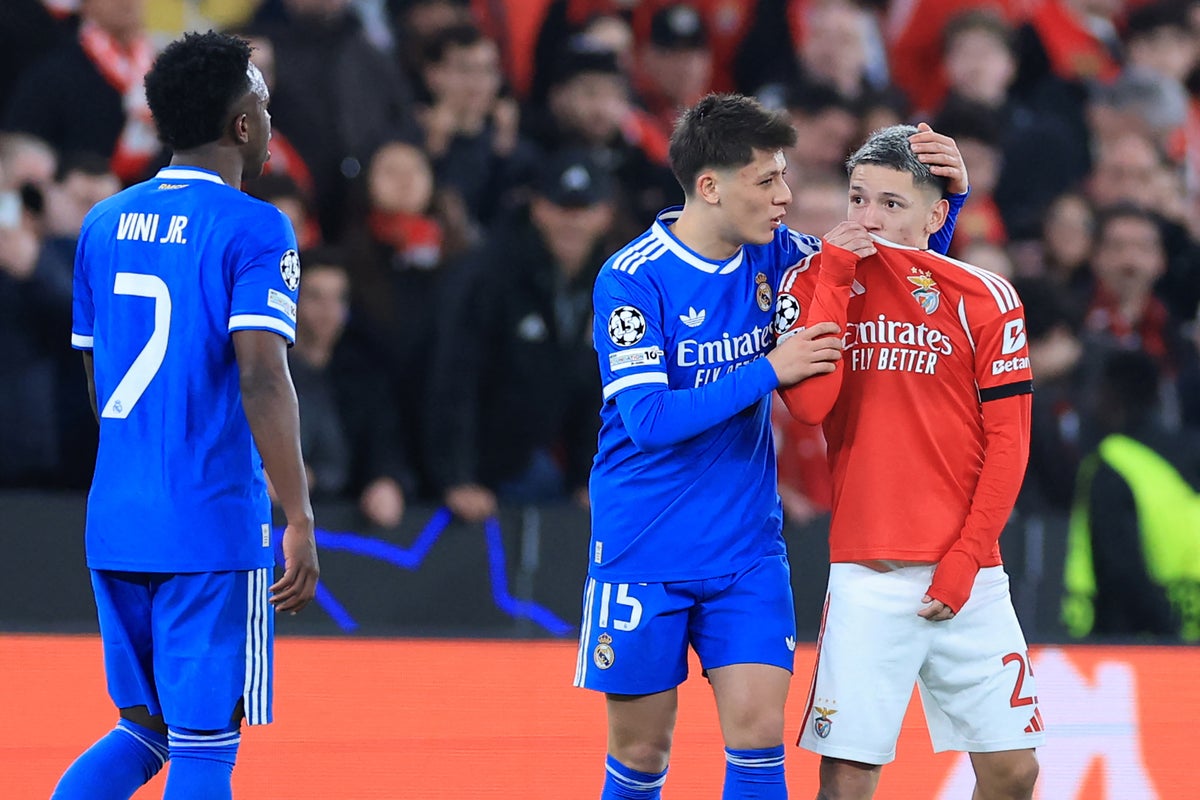
POLICY WIRE — Nyon, Switzerland — It unfurled with a pointed finger and a hushed accusation on a Champions League pitch, an eerie reverberation of racism that’s too often marred European football. Yet, the upheaval of the dramatic confrontation between Real Madrid’s electrifying winger, Vinicius Jr., and Benfica’s young talent, Gianluca Prestianni, has taken an unexpected turn, diverting the glare to another pervasive form of discrimination.
Instead of the anticipated racism charge, European football’s governing body, UEFA, has levied a six-game ban against Prestianni for “homophobic conduct.” That’s a momentous pivot in emphasis, signaling UEFA’s expanding resolve to rooting out all forms of hate speech from the beautiful game.
The incident unspooled during a hotly contested Champions League match in February. Vinicius Jr., who’s no stranger to racist abuse from stands and opponents alike, immediately reported to the referee that Prestianni had racially insulted him. Game halted. It triggered UEFA’s three-step anti-racism protocol.
But the young Argentine, just 20, adamantly rebuffed the accusation. He didn’t deny using a slur, mind you; he simply insisted the language was anti-gay, not racist. Make no mistake, that distinction matters profoundly for the player and for the evolving landscape of sports discipline.
After two months of investigation, UEFA’s ethics — and disciplinary body delivered its verdict on Friday. Prestianni will serve a total of six UEFA club and/or national team matches, with three suspended under a two-year probationary period. One match has already been served, leaving him with two active games unless he reoffends.
For Gianni Infantino, the FIFA President, the on-pitch behavior leading to such an investigation is profoundly disquieting. “There must be a presumption that he has said something he shouldn’t have said, otherwise he wouldn’t have had to cover his mouth,” Infantino told Sky News after the initial incident, interrogating the player’s attempt to obscure his words. Because covering your mouth on a global stage during a heated exchange always looks innocent, doesn’t it?
Indeed, that tactic, where players try to shield their mouths during heated exchanges — a move often employed by those hoping to avoid accountability for their verbal missteps — could soon become an offense in itself. The International Football Association Board (IFAB), football’s law-making body, is scrutinizing whether such actions should warrant a send-off, further tightening the leash on on-field decorum.
The global ramifications are already palpable. UEFA has formally requested FIFA to extend the ban worldwide. This means if Argentina were to call up Prestianni for this summer’s World Cup, he’d be sidelined, a galling setback for any young talent dreaming of international glory. So, otherwise, the suspension will be served in next season’s UEFA competitions.
This isn’t merely about one player’s foul language; it’s about the pervasive enforcement of anti-discrimination rules in a sport that transcends borders, a veritable lingua franca of human endeavor. From the packed stadiums of Europe to the passionate fan bases in South Asia — including countries like Pakistan, where football’s grip is surprisingly strong — incidents like these spark wider conversations about inclusion and tolerance. Football’s immense popularity in such regions means that the stances taken by governing bodies like UEFA and FIFA resonate far beyond continental Europe (a continent often lauded for its progressive stances, though realities can differ wildly), influencing dialogue and perceptions about LGBTQ+ issues in diverse cultural contexts, where discussions can be complex and sensitive.
UEFA’s disciplinary regulations, specifically Article 14, mandate that “any person who insults the human dignity of a person” on grounds including “skin colour, race, religion, ethnic origin, gender or sexual orientation” incurs a suspension of at least ten matches. The six-match ban here, with a probationary period, hints at a nuanced interpretation given Prestianni’s denial of racial intent. How seriously do they take racial intent vs. the words themselves, one might wonder?
“Our commitment to eradicating all forms of discrimination from football is unflinching,” a spokesperson for UEFA’s disciplinary committee intoned, emphasizing the body’s zero-tolerance policy. “Whether it’s racism, homophobia, or any other form of prejudice, we’ll act decisively to safeguard the integrity of the game and its participants.”
What This Means
This ruling underscores a potent dictum: football’s authorities are increasingly taking homophobia as gravely as racism. It’s no longer a lesser offense, or one that can be used as a convenient excuse to deflect a more egregious charge. For years, anti-racism campaigns have dominated the discourse, and rightly so, but this decision broadens the scope of what constitutes unacceptable discriminatory behavior on the pitch. Anyway, they’re not messing around with this stuff anymore.
The move could have significant ramifications for player conduct. They’re on notice now. Verbal abuse of any discriminatory nature carries severe consequences that can impact domestic, continental, and even international careers. Lasting repercussions. Career altering, even.
The math is stark: a momentary lapse in judgment, or a deliberate insult, can thwart a young player’s World Cup dreams and brand them with a disciplinary record. This incident forces both players and clubs to recalibrate their responsibilities in promoting an inclusive environment. Time for recalibration.
Ultimately, this isn’t just about punishing a single player; it’s about overhauling the ethos of professional football. As Dr. Anya Sharma, a leading sports ethicist at the University of Lausanne, succinctly puts it, “This ruling isn’t merely a ban; it’s a beacon. It tells players, fans, and federations alike that the umbrella of anti-discrimination in sport is expanding, and there’s simply no room for any form of prejudice on the field of play.”