


U.S. Border Security Sees 75% Drop in Drone Activity After Laser Weapon Deployment, Military Reports
POLICY WIRE — City, Country — The U.S. military has reported a significant decline in drone activity along the U.S.-Mexico border, with a 75% reduction following the deployment of laser technology to...

POLICY WIRE — City, Country — The U.S. military has reported a significant decline in drone activity along the U.S.-Mexico border, with a 75% reduction following the deployment of laser technology to counter potential threats.
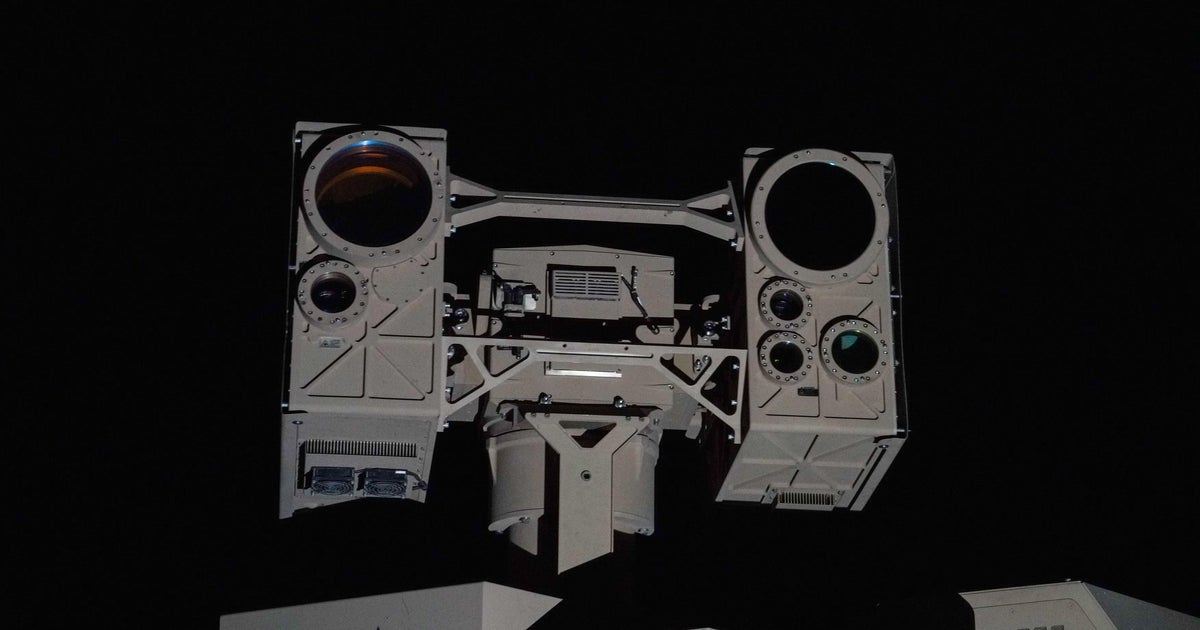
The military has intercepted 300 drones linked to drug cartels this year, including 11 that were disabled using a laser system over a ten-day period. This new capability allows officials to neutralize drones deemed as immediate threats rather than just redirecting them.
Army Col. Robert Felicio, commander of the 130th Maneuver Enhancement Brigade, emphasized that while other factors may have contributed to the decrease in drone activity, the introduction of the laser marked a turning point. The system, developed by AeroVironment and known as LOCUST, is part of a broader effort to enhance border security, with multiple units deployed along the border.
The laser, which operates as an invisible heat beam, caused minimal visible damage to the drones it disabled, leaving them identifiable but damaged. Army Lt. Owen Farquer noted that soldiers found the system easy to operate, with many adapting quickly due to their familiarity with video game controllers.
Despite its effectiveness, the laser is not a complete solution, as environmental conditions like rain or vapor can limit its performance. Navy Admiral Daryl Caudle recently advocated for increased investment in high-energy laser systems, citing their cost-efficiency compared to traditional air defense methods.
A single laser unit costs between $17.4 million and $25 million, with each use costing approximately $3, according to AeroVironment. In contrast, other systems require interceptors that can cost millions per shot. Military officials are also working with the FAA to ensure safe operation of the technology, though specific locations of recent drone take-downs remain undisclosed.
Coordination with Mexican authorities is ongoing to monitor threats, while military leaders like Army Lt. Col. Ray Richards note the financial impact on cartels from disrupted drone operations. A recent report highlighted that armed drones have been used in Mexico to attack rival groups, resulting in 77 fatalities since 2021.
Military officials stress the importance of neutralizing recurring threats, with Felicio stating that the ability to permanently disable drones offers a long-term advantage over temporary solutions. As the U.S. continues to deploy advanced technologies, the focus remains on protecting service members and law enforcement along the border.
Reporting by Policy-Wire (PW)