


U.S. and China Face Urgent Call to Overcome AI Distrust
Experts urge U.S. and China to address AI distrust before it's too late, amid growing concerns over superintelligence risks.

POLICY WIRE — Washington, United States — Analysts are sounding the alarm that the U.S. and China must overcome deepening mistrust in artificial intelligence development, as fears of uncontrolled superintelligence grow.
Leading AI researchers, including those from Anthropic, have raised concerns about the potential for an AI system more intelligent than any human to view humans as threats to critical resources, posing a risk to global survival. In response, executives from major U.S. AI companies like OpenAI and Anthropic have called for a slowdown in AI progress to ensure responsible development.
China, a key player in AI innovation, has also voiced concerns, with U.S. researchers recently uncovering a security flaw in WeChat, which serves over 800 million users. While some Chinese firms support increased regulation, officials remain skeptical of calls to slow AI advancement, viewing them as attempts by the U.S. to maintain technological dominance.
Global leaders, including Britain’s King Charles III, are pushing for collaborative frameworks to guide AI’s future, while tech giants like Nvidia emphasize the need for U.S.-China dialogue. However, political tensions continue to hinder progress, with lawmakers and officials debating the balance between innovation and safety.
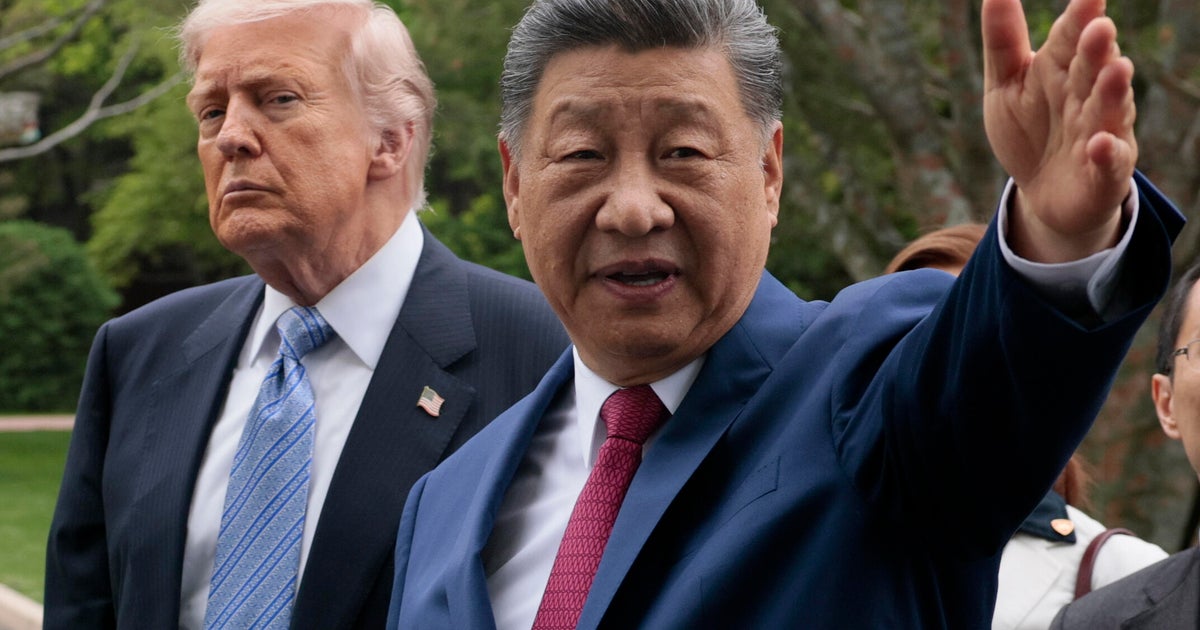
Despite these challenges, some experts see potential for cooperation, suggesting areas like cybersecurity and counterterrorism could serve as starting points. With high-stakes discussions looming, including a planned meeting between former President Trump and President Xi Jinping, the pressure is mounting for both nations to find common ground on AI governance.
Reporting by Policy-Wire (PW)