

Trump’s Tariffs Gambit: A Legal Carte Blanche?
POLICY WIRE — Washington, D.C. — They say fortune favors the bold, but sometimes it just drops a legal gift basket right on your doorstep. For former President Donald Trump, or any occupant of the...

POLICY WIRE — Washington, D.C. — They say fortune favors the bold, but sometimes it just drops a legal gift basket right on your doorstep. For former President Donald Trump, or any occupant of the Oval Office, for that matter, a recent judicial development—quietly delivered—has just expanded the executive branch’s elbow room on trade policy dramatically. It wasn’t a roar, not a bluster, but a rather clinical pronouncement that could reshape America’s global economic posture.
It’s all about tariffs, isn’t it? A President’s prerogative, or so many believe. This latest legal interpretation? It appears to clear away significant hurdles, effectively green-lighting an expansive approach to import duties that few had anticipated would gain such clear judicial sanction. And yes, this means the next commander-in-chief, or even a returning one, now holds an instrument of economic leverage arguably more potent than before. What this means for global markets, well, that’s anybody’s guess, but history suggests certainty is rarely the outcome. [QUOTE_PLACEHOLDER]
Because the implications here are profound, they really are. This isn’t merely about tweaking a trade deal; it’s about the very architecture of international commerce. If a president can impose sweeping tariffs with fewer legislative constraints—or with a judiciary less inclined to second-guess—then we’re looking at a different kind of economic diplomacy. Think about it: a chief executive, with the stroke of a pen, could reconfigure supply chains, influence inflation, and trigger retaliatory measures from trading partners. It’s a vast new landscape, one that a President Trump—always keen on using tariffs as a cudgel—would undoubtedly find rather enticing.
He’s spoken extensively about using tariffs, about balancing trade accounts, about protecting domestic industries. And frankly, this legal backing strengthens that hand considerably. It’s like being handed the keys to an immensely powerful, somewhat temperamental vehicle, with a clear stretch of open road ahead. But just because the path is clear doesn’t mean the journey won’t be fraught. Global economics is a delicate balance, an intricate web, not a series of isolated transactions. One tug on a thread can unravel an entire sweater, as we’ve learned over — and over again.
This ruling essentially reaffirms the President’s discretionary powers under long-standing trade statutes, providing a buffer against challenges often mounted by importers or even other nations. It limits the legal recourse against presidential tariff decisions, which means the focus shifts from the courtroom to the diplomatic arena—or the bargaining table, if you prefer that phrasing. For some, it’s a necessary reassertion of executive authority in trade; for others, a dangerous erosion of checks and balances. The debate rages, but the legal reality remains.
Now, let’s talk about the ripple effects, because there always are. If the United States were to dramatically ramp up protectionist policies, you can bet that economies sensitive to global trade fluctuations would feel the pinch immediately. Countries like Pakistan, which relies heavily on exports, particularly textiles, could find itself in a precarious position. Their competitive advantage in specific markets, say, the US, could diminish if a blanket tariff regime makes their goods less attractive or more expensive. It’s not a direct shot, but an economic downdraft, making an already challenging economic environment even more complex.
But it’s not just about what goods get bought — and sold. It’s also about alliances, about influence, about geopolitical standing. Consider Pakistan’s strategic importance, sandwiched between various power centers. Any major shift in US economic policy—especially one impacting global trade norms—forces countries in South Asia and the broader Muslim world to re-evaluate their own positions, to look for new trade partners, or to bolster regional blocs. You see this play out constantly, don’t you? Political shifts in one capital can create unexpected realignments halfway across the globe.
A hypothetical return to office for Donald Trump with this kind of legal carte blanche means he could potentially use tariffs to pressure allies, punish adversaries, and pursue his America First agenda with fewer legal restraints. This approach has historically caused friction, but the judiciary, in this instance, seems to be saying: the Executive Branch has this latitude. Federal Reserve data, for example, showed a 1.2% dip in US import volumes in 2018 directly attributable to specific tariff impositions, demonstrating how quickly such policies translate into measurable economic changes. The raw power is undeniable.
What This Means
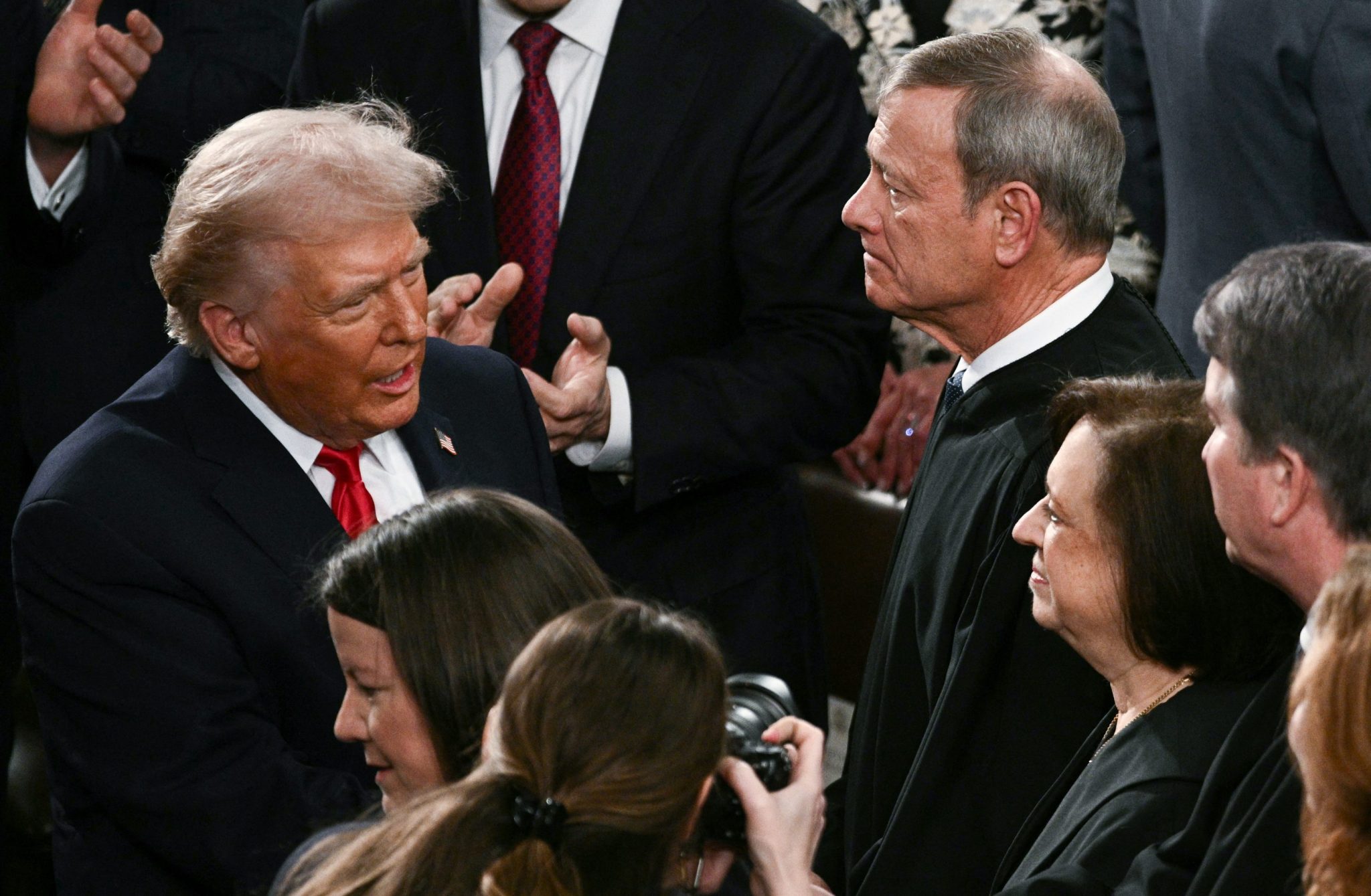
This Supreme Court development isn’t just a win for a particular political figure; it’s a significant reinterpretation of executive authority in a critical domain. The implication? The stage is set for a more unilateral approach to trade policy from future administrations. This shifts the primary battleground for trade disputes from legal challenges to direct diplomatic negotiations—or confrontations. Economically, this could mean increased volatility, as presidential administrations could more freely deploy tariffs as tools of industrial policy or international leverage, without having to navigate protracted legal challenges. For developing nations, particularly in regions like South Asia, this means heightened uncertainty in trade relationships with the US. They’d need to strategize more defensively against potential tariff walls, potentially accelerating efforts to diversify trade partners and strengthen regional economic ties. It complicates long-term planning and forces a greater reliance on agile, responsive foreign and economic policy, because the global trade winds could shift suddenly—and definitively. It’s a chess move that dramatically alters the board’s dynamic.