

Behind the Lens: Congress Takes Aim at Federal Accountability with Filming Bill
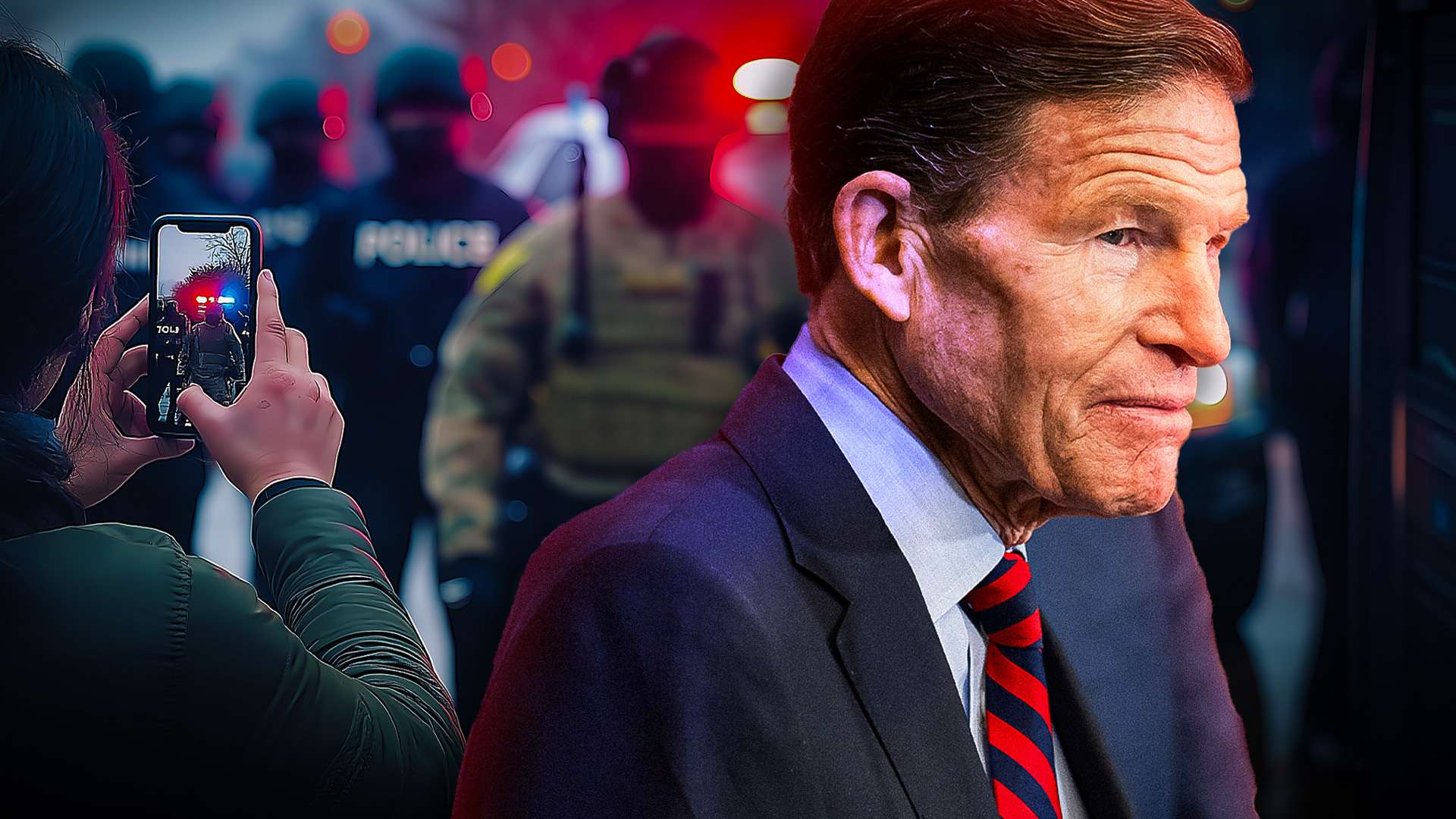
POLICY WIRE — Washington D.C., USA — It wasn’t a flash of police lights or a politician’s fiery speech that defined the moment, but rather the quiet click of a smartphone camera. That small act of...

POLICY WIRE — Washington D.C., USA — It wasn’t a flash of police lights or a politician’s fiery speech that defined the moment, but rather the quiet click of a smartphone camera. That small act of documentation, long a staple of citizen vigilance, now stands poised to fundamentally reshape the legal landscape between Americans and their federal government. Forget the grand legislative battles; sometimes, it’s the seemingly mundane mechanics of oversight that really shake things up. This time, it involves a bill that doesn’t just grant citizens a right, but also arms them with a potent legal cudgel.
Lawmakers in Congress, perhaps observing the escalating tension between citizens and law enforcement across the country—and sometimes, federal agencies—are attempting to enshrine the very act of filming. It’s a move that recognizes an uncomfortable reality: accountability often starts not with an internal review, but with footage captured by an ordinary person on the street. They’ve introduced legislation that doesn’t just reiterate an existing First Amendment prerogative, but specifically seeks to ensure that right has teeth. [QUOTE_PLACEHOLDER]
The proposed legislation aims to make crystal clear that individuals possess a constitutional right to record federal agents, particularly while those agents are performing their duties in public spaces. But it doesn’t stop at merely asserting this right. No, it goes further, creating a specific pathway for individuals to sue federal agencies—or their employees directly—if that right is infringed upon. Because sometimes, words just aren’t enough, are they? Sometimes you need to be able to hit ’em where it hurts: the purse strings, or at least the prospect of a lengthy, costly legal entanglement. This is where the rubber meets the road, where the theoretical freedom of expression collides with the practical realities of bureaucratic power.
It’s an effort born of countless viral videos showing interactions that range from uncomfortable to outright brutal. Incidents where an officer’s actions became public knowledge only because someone happened to be recording. That kind of evidence, undeniable — and often visceral, has fueled public demands for greater transparency. We’re talking about instances that erode public trust in institutions, a trust that’s already frayed in many corners. A 2023 Gallup poll, for instance, showed that public confidence in the police had fallen to its second-lowest level on record, with only 37% expressing a great deal or quite a lot of confidence in the institution, a stark drop from the previous decade’s average. The bill’s proponents aren’t just looking to clarify legal minutiae; they’re responding to a societal hunger for redress.
And let’s be frank: the legislation’s emphasis on legal recourse for violations is arguably its most significant feature. Before, legal battles over filming largely hinged on broader civil rights claims—difficult, drawn-out affairs. This new bill would streamline that process, creating a specific statutory cause of action. Think of it as putting a direct entry button for a lawsuit right into the hands of citizens. It doesn’t mean every contested interaction becomes a multi-million-dollar payout, but it certainly ups the ante for any federal agent contemplating blocking a camera or seizing a phone. They’ll have to consider the very real financial and professional consequences that didn’t necessarily exist before in such a direct, unambiguous form.
But the bill isn’t just about empowering the individual. It’s about reshaping the culture within federal agencies themselves. It’s an implicit acknowledgment that the federal government, from the Secret Service to border patrol, needs clearer boundaries on interactions with the public. It isn’t just about deterring bad actors; it’s about formalizing a process that many argue should already be an unchallenged part of a free society. It forces federal agencies to confront the reality that their operations are under constant, potentially viral, scrutiny. This is the information age, after all, and privacy—especially government privacy operating in public spaces—is rapidly becoming an oxymoron. They’ve either got to adapt or face the litigation. There aren’t many other options left.
The implications of such a law extend far beyond America’s borders. For countries like Pakistan, grappling with their own complex relationships between citizens and state authority, including sometimes heavy-handed security forces, American legislation like this carries symbolic weight. It’s an example, however imperfect, of a state wrestling with accountability. While legal frameworks differ vastly, the principle of documenting public interactions with security personnel resonates deeply in South Asia, where accusations of rights abuses by paramilitary forces or police are not uncommon. It contributes to a global dialogue about human rights and transparency—how governments, even those in mature democracies, ought to engage with their constituents. The push to empower citizens with cameras, and the legal teeth to back them up, doesn’t go unnoticed on the global stage. It often frames discussions around legitimate state power versus individual freedoms, and that’s a conversation happening everywhere.
What This Means
This bill, if it gains traction and becomes law, isn’t just a technical adjustment; it’s a significant realignment of power dynamics. Politically, it signals a growing bipartisan appetite—or at least an understanding—for government transparency, particularly concerning law enforcement. It reflects a weariness with the opaque investigations and sometimes-circular justifications that often follow controversial incidents. For agencies, it means a potentially difficult transition. They’ll need to adapt training, revise protocols, and educate their personnel about the direct, actionable consequences of obstructing a citizen’s right to record. Economically, while not immediately obvious, the threat of increased litigation could translate into higher operational costs, potentially through increased legal budgets or settlement payouts. Or, conversely, it could lead to better conduct, thus *reducing* costly incidents. Either way, it won’t be business as usual. It’s an attempt to mandate a cultural shift through legal leverage. Whether it works as intended, or merely spawns a new era of legal wrangling, remains to be seen. But make no mistake, federal agents might just have to get used to the lens. The smartphone, it turns out, is a rather potent political tool.