

Trump Administration Deports Afghan Man with US Military Ties to Central African Republic
POLICY WIRE — Washington, D.C. — The United States deported numerous individuals to the Central African Republic on Saturday, among them an Afghan man whose brothers had supported the US military, as...

POLICY WIRE — Washington, D.C. — The United States deported numerous individuals to the Central African Republic on Saturday, among them an Afghan man whose brothers had supported the US military, as revealed by his lawyer and a human rights organization.
The young man, in his early twenties, had been granted legal protection from deportation to Afghanistan by a US judge due to the Taliban’s threats against him, according to his attorney, Alma David.
Court documents indicate that the man’s family in Afghanistan faced threats from the Taliban because of his brothers’ collaboration with American forces. One brother resides in the United States after serving in the Afghan National Army alongside US troops prior to the Taliban’s takeover in 2021. Another brother, a US-trained pilot, was killed by the Taliban, David confirmed.
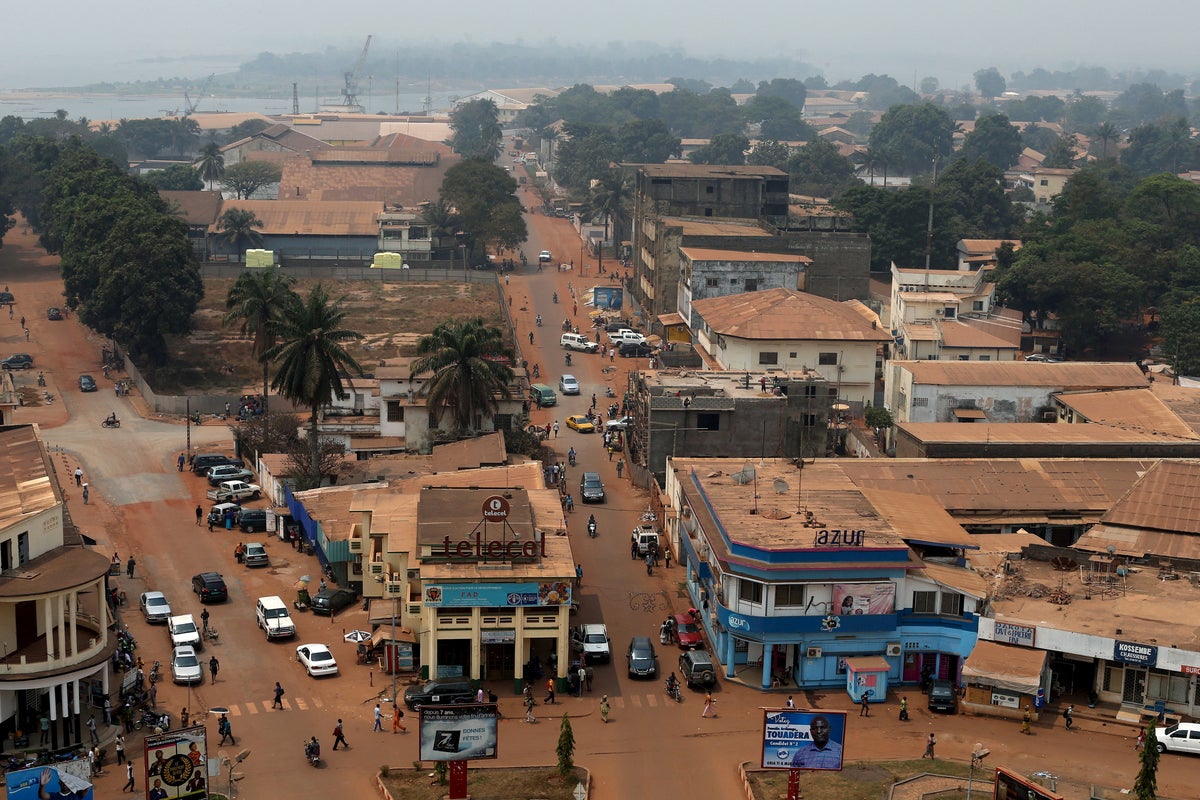
The deportation flight, which arrived in Bangui, the capital of the Central African Republic, included 12 Afghans, eight Iranians, and several individuals from Nepal and Nicaragua, stated Savi Arvey, the director of policy, refugee, and immigrant rights at Human Rights First.
Under a series of often confidential agreements, the Trump administration has deported thousands of people to over two dozen countries that are not their homelands, as part of its stringent immigration policies, advocates claim. Immigration attorneys argue that this practice serves as a legal loophole to indirectly return some asylum seekers to the countries they fled.
Saturday’s flight marks the second deportation to the Central African Republic since June, which transported two dozen migrants, including an Iranian woman facing persecution in her home country.
Reporting by Policy-Wire (PW)