

Transforming Healthcare and Pharma Using AI-Based Biomedicine
In the recent past, the artificial intelligence (AI) has entered the biomedicals, which is beyond the capabilities of traditional technologies. Artificial intelligence in biomedicine, an emerging...

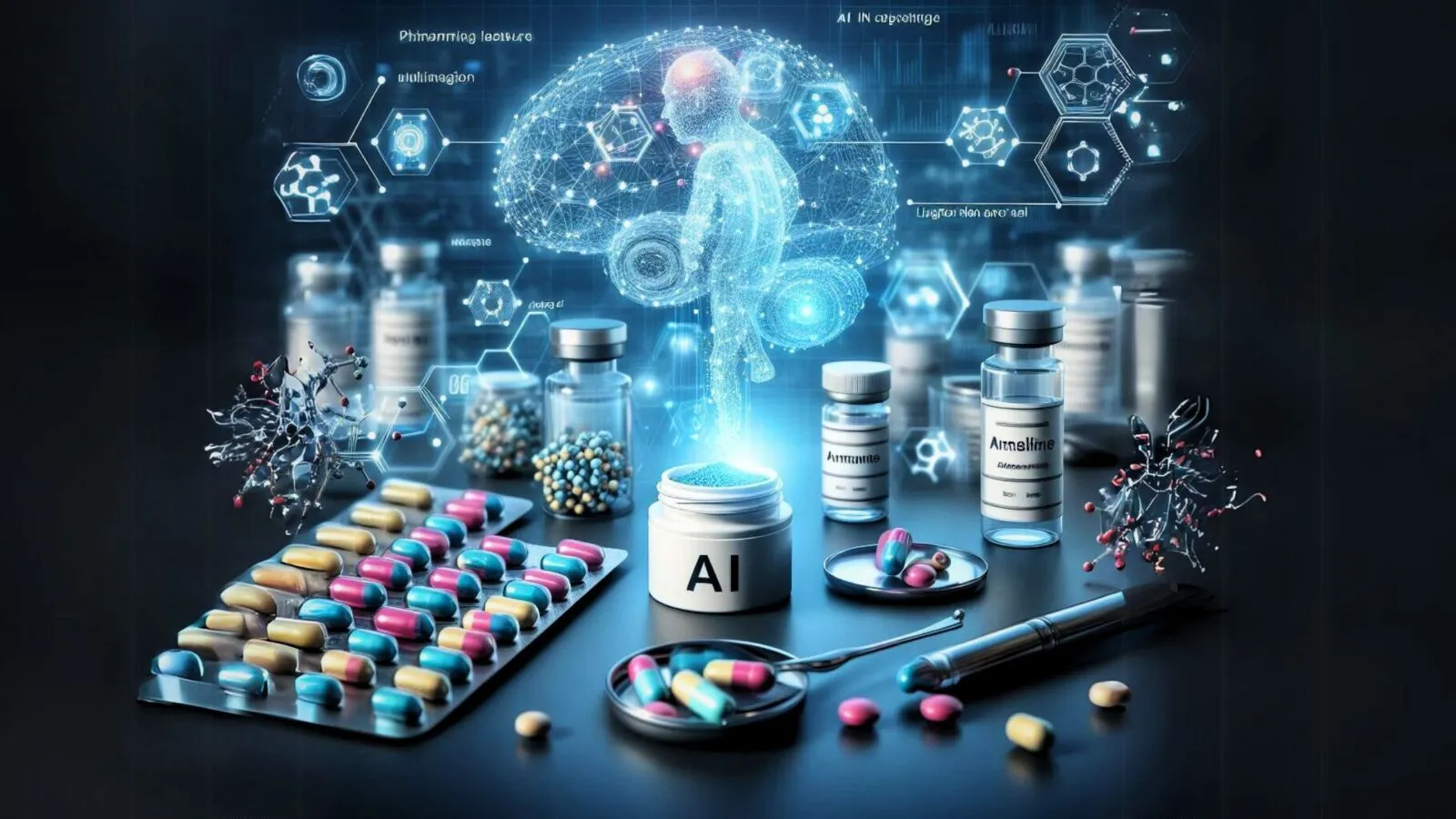
In the recent past, the artificial intelligence (AI) has entered the biomedicals, which is beyond the capabilities of traditional technologies. Artificial intelligence in biomedicine, an emerging cross-disciplinary field that combines biological research with the latest in computational technologies, is revolutionizing personalized medicine, drug discovery and healthcare. AI is transforming the way we think about human health – from drug discovery to disease diagnosis. Drug research is among the most crucial areas where A.I. is making an impact. The drug development process is also generally long, expensive, and risky. To find chemicals that may be useful in treating specific disorders, researchers have to sift through thousands of potential molecules. But AI has completely transformed this process, making it far quicker and accurate.
In the race to predict which drugs will bind to which disease targets in the body, AI systems are the best at analyzing large datasets — such as the chemical structures of drugs, genomic information and patient health records. AI-models also can mimic the action of these drugs by using machine learning and deep learning, and they can scan for toxicity or other negative effects months before a clinical trial begins. It accelerates the early stages of drug discovery, increasing the chances of success in later studies.
AI is being applied to drug discovery by companies such as Insilco Medicine. Their AI tech helps synthesize novel drugs, particularly for complex diseases like Alzheimer’s and cancer. And AI systems could predict new therapeutic targets or recommend pharmacological compounds that have never been observed by sifting through genetic and chemical information. This reduces the time and cost of alternative methods of drug development very much.
While the concept of personalized medicine is not new, artificial intelligence is finally giving people the tools to enable it to deliver on its full promise. Personalized medicine Personalizing medicine for each individual based on their unique genetic makeup, life style and environment. This strategy has strong potential for enhancing treatment effectiveness and reducing negative side effects. AI algorithms can go through huge amounts of patient data — such as genetic profiles, medical history and lifestyle features — to come up with more accurate recommendations for treatment. By evaluating their genetic profiles and predicting based on biological and historical data which therapies are likely to work best, AI, for example, can help doctors determine the best treatment for cancer patients.
Moreover, we can expect AI to use genomic information to discover new biomarkers—those measurable signs of a disease or its severity. These measurements are critical for monitoring the progression of diseases, determining the optimal treatments and diagnosing early. AI-driven biomarker discoveries are enabling the development of the next generation of personalized therapeutics tailored to every patient’s individual needs.
AI is also making inroads into medical diagnostics, particularly in early disease detection. When it comes to diseases such as cancer, heart disease and neurological disorders, and improving patient outcomes, early detection is critical. AI technologies including machine learning and deep learning are highly potential and powerful tools to assist the detection of diseases at early stage using genomic data and medical images.
AI systems can analyze complex medical images — including CT scans, MRIs and X-rays — more quickly and accurately than human radiologists. Among the best-known examples of AI in diagnosis is Google’s DeepMind, which has developed algorithms that are able to diagnose eye conditions — like diabetic retinopathy and macular degeneration — from a retinal scan. AI has at times outperformed human doctors in making diagnoses more quickly and accurately. AI also has potential applications that go beyond imaging, including analyzing genomic data to detect signs of illness or genetic defects. For example, AI systems can uncover mutations that are associated with specific types of cancer, thus allowing earlier diagnosis and more targeted treatments. This could dramatically improve survival rates, especially in a disease such as breast cancer where the ability to treat effectively relies upon spotting the cancer at an early stage.
Clinical trials So how else can we safely and effectively identify treatments for disease? All this is happening in real-time, thanks to the monitoring of patient reactions, optimizing the design of trials, and encouraging the recruitment of patients, AI is helping to accelerate the process. The AI can forecast the results of different experimental treatments, discover the best trial design, and determine which patients will respond to the treatment by processing historical trial data. By analyzing genetic information, medical records and other relevant factors, it can help in selecting the most appropriate candidates for clinical trials, too. It’s a move that increases the chances of success and the speed with which results occur by ensuring that those enrolled are the very ones who are most likely to benefit from the treatment.
AI can also monitor patients during clinical trials, tracking poor reactions, side effects and overall health conditions. AI helps help researchers identify potential issues early, providing real-time insights so the trials can be adjusted to make sure patients remain safe. This enhances the efficacy and reliability of clinical trials, and makes the introduction of new interventions on the market faster and less risky.
Genome editing tools like CRISPR have turned the hope of treating genetic diseases into a new sense of possibility. By using AI to refine CRISPR designs, scientists can ensure that gene modifications are exact. If side effects are minimized and the rate of success for gene therapies increased, AI has the potential to predict the effect of gene changes. AI can also enable the identification of potential genetic targets for gene therapy, particularly for rare genetic diseases where there are currently no treatments. AI can potentially, from genetic data, pinpoint exactly which genes are causing a disease, allowing the creation of gene therapies that directly target these genes.
The impact of AI on biomedicine will grow as AI advances. If combined with other state-of-the-art techniques as regenerative medicine and nanotechnology, AI will rewrote the future of the healthcare. Previously incurable diseases might be treatable as personalized medicine grows more precise. But obstacles stand in the way. Ethical considerations related to algorithmic bias, privacy of data and humanity displacement in AI in healthcare, have to be tackled. If AI is to be responsibly and effectively used in biomedicine, collaboration with researchers, healthcare professionals and lawmakers will be required.
There’s no doubt — AI in biomedicine is transforming both medical research and health care. AI is offering unprecedented opportunities to improve patient outcomes and speed medical practices, from discovering drugs to tailoring treatment plans and identifying disease early. The future of healthcare will increasingly be influenced by AI, which will continue to evolve, and move us that much closer to a day when medical research is more rapid and scientifically valid, disease is caught at an earlier stage, and treatments are personalized.
Author