

The World’s Silence: Afghan Women Deserve Better Than Diplomacy Without Leverage
Diplomatic engagement with the Taliban that fails to prioritize women's fundamental rights risks normalizing the systematic erasure of half a nation's population. Afghan women deserve principled...

The Taliban’s treatment of Afghan women presents the international community with an uncomfortable test: whether human rights remain universal principles or become bargaining chips when defending them becomes politically inconvenient.
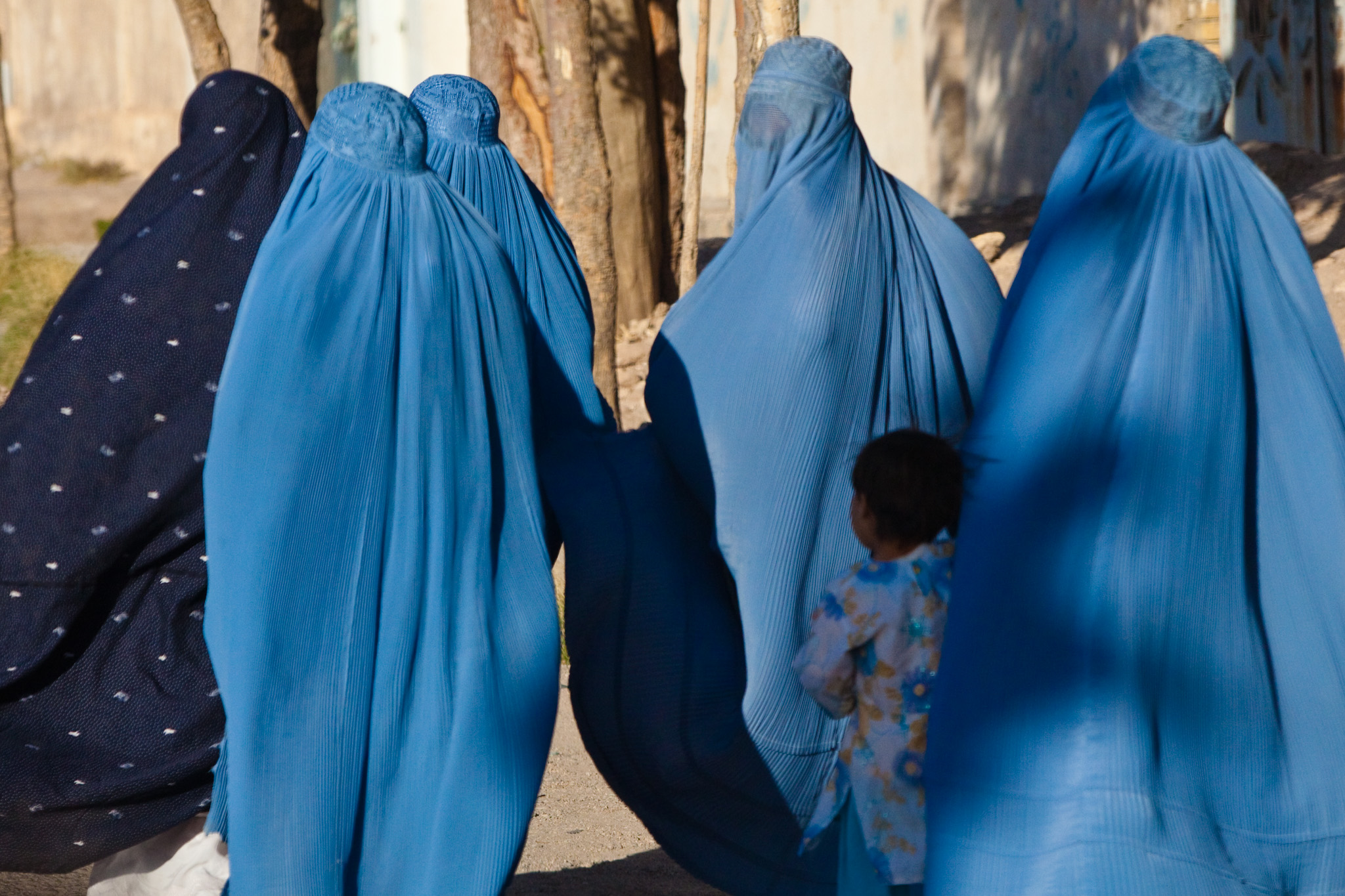
Since returning to power in August 2021, the Taliban have progressively restricted women’s education, employment, mobility and participation in public life. These policies have continued despite years of international condemnation. The persistence of the restrictions raises a serious question: what purpose does condemnation serve when it produces so little meaningful change?
The scale of the crisis is not difficult to establish. UN Women’s August 2026 assessment described Afghanistan as facing an exceptionally severe women’s rights emergency, with restrictions affecting virtually every dimension of women’s public lives. Meanwhile, investigations into violence against women have raised concerns about impunity, weakened legal protections and inadequate access to justice.
Yet the international response frequently risks becoming a cycle of statements, meetings and expressions of concern. The Taliban face criticism, reject outside interference, and continue implementing policies that deny women fundamental opportunities. Meanwhile, Afghan women bear the consequences.
Humanitarian assistance must continue, and isolation should not become an excuse to abandon ordinary Afghans. But engagement without clearly defined demands risks allowing the authorities to benefit diplomatically while women remain excluded.
The answer is not indiscriminate punishment that deepens Afghanistan’s humanitarian crisis. It is sustained, coordinated pressure directed at those responsible for discriminatory policies, combined with practical support for Afghan women and independent civil society.
Governments should insist on measurable commitments: reopening schools and universities to girls and women, restoring access to employment, protecting survivors of domestic violence, and ensuring that women can seek justice without intimidation. Progress must be independently monitored rather than accepted on the basis of official assurances.
International institutions should also support Afghan-led documentation of abuses, preserve evidence for future accountability, and protect journalists and activists who report violations. Humanitarian organisations must be able to deliver assistance without discriminatory restrictions undermining their work.
Recognition, diplomatic access and economic engagement should not be treated as substitutes for progress on fundamental rights. Nor should negotiations over security or regional stability quietly push women’s rights to the bottom of the agenda.
The Taliban may calculate that international attention will eventually fade. That calculation becomes more attractive every time a new crisis displaces Afghanistan from the headlines.
Afghan women cannot afford another cycle of outrage followed by forgetfulness.
The real measure of international solidarity is not how forcefully governments condemn the Taliban today, but whether they are prepared to sustain pressure until Afghan women can live, learn, work and seek justice without fear.