

The War That Refuses to End: Ukraine’s Resilience and the Cost of Global Indifference
Global attention is still focused on the ongoing conflict between Russia and Ukraine, not because of its progress towards peace but rather because of its unrelenting brutality and the disturbing...

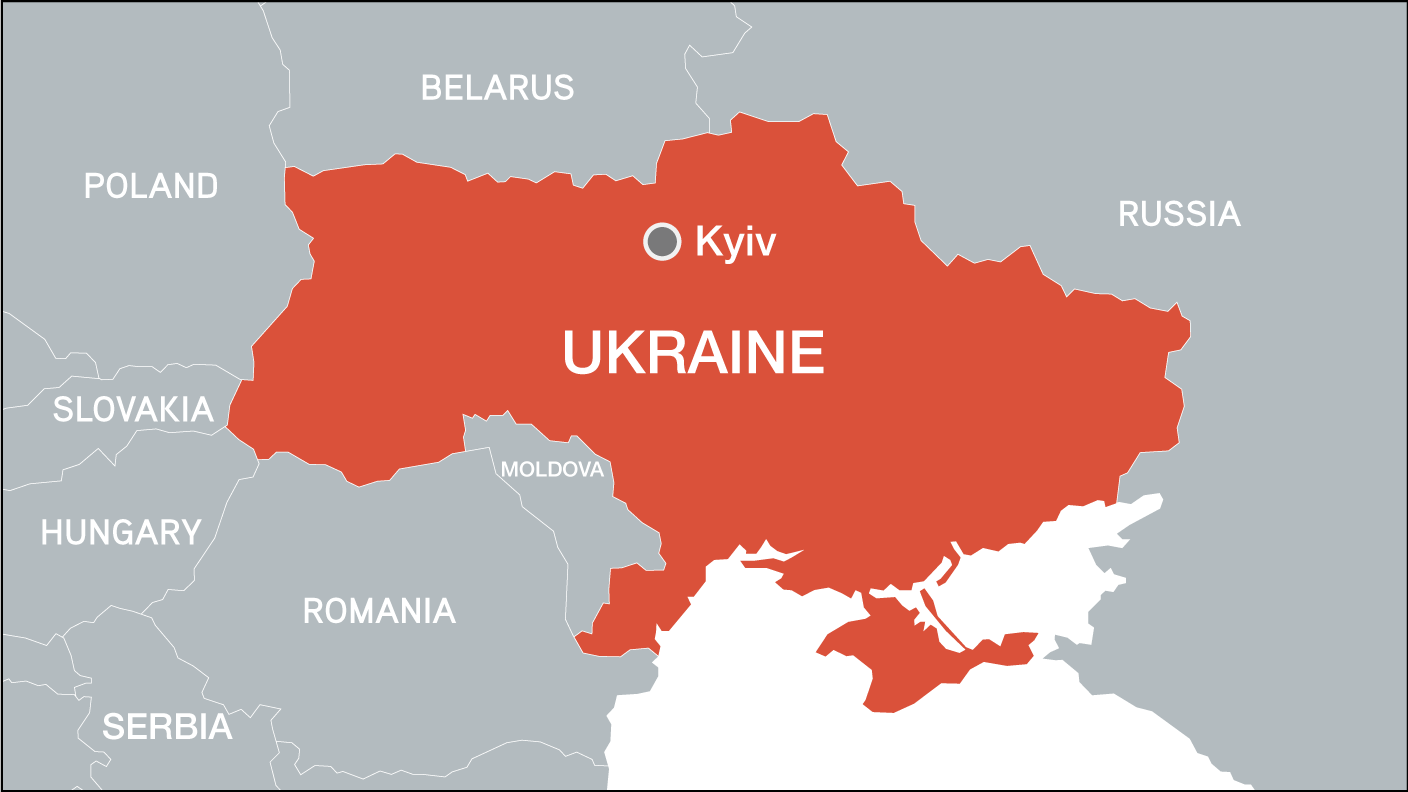
Global attention is still focused on the ongoing conflict between Russia and Ukraine, not because of its progress towards peace but rather because of its unrelenting brutality and the disturbing acceptance of bloodshed in Europe. The world was shocked in May of this year when Russia launched its biggest drone strike since the full-scale invasion started in 2022. With an emphasis on Kyiv and eastern cities like Dnipro and Donetsk, 273 drones and decoys were deployed over the course of two days. With the help of NATO intelligence and American-supplied technology, Ukrainian defences were able to intercept 88 drones, while electronic jamming destroyed another 128. The attack killed a young woman and injured three others, including a toddler, in spite of these efforts. The message from Moscow was clear: peace talks will not halt its aggressive escalation.
The long-awaited peace talks in Istanbul, the first official discussions between Russia and Ukraine in more than three years, broke down after this major strike. Only a modest agreement on a humanitarian prisoner exchange was reached during the talks, which were mediated under U.S. supervision. Encouraged by its recent victories in Donetsk, Russia demanded NATO neutrality, the demilitarisation of Ukrainian border forces, and the acceptance of annexation lands. Ukraine left the negotiations because it was unwilling to give up its sovereignty.
The drone strikes were a depressing dose of reality for those who hoped that diplomacy would reduce tensions. According to Ukrainian officials, the timing was intentional in order to undermine Kyiv’s determination and highlight the shortcomings of international mediation. Russia showed that it preferred to dictate conditions through domination over compromise by combining armed power with discussions.
This was not a singular occurrence. Nine people were killed and seven injured in a Russian attack on a civilian bus in the Sumy region just one day prior to the drone offensive. These aren’t vital military targets; rather, they are regular people, parents, kids, lost in a war that has blurred the lines between civilian and combat zones.
The war’s growing worldwide scope is also concerning. There is now evidence that North Korean military soldiers are stationed close to Kursk with Russian forces. This represents a perilous change in which authoritarian partnerships are openly militarised rather than merely symbolic. The KN 23 and other North Korean ballistic missiles were utilised in an attack on Kyiv in April 2025 that left over 90 civilians injured and 13 dead.
There are several risks associated with autocratic regimes working together. It undermines Western deterrence, erodes international sanctions, and raises the possibility of a new Cold War waged with drones, cyberwarfare, and proxy troops rather than ideology.
In response, diplomatic measures are stepping up. On May 19, U.S. President Donald Trump is scheduled to meet with Volodymyr Zelensky and Vladimir Putin. Given Trump’s isolationist policies and decreased military assistance to Ukraine, which have weakened American influence in Eastern Europe, scepticism is still high. The Weimar alliance, which consists of France, Germany, Poland, Italy, and the United Kingdom, has intervened in the meantime, organising coordinated support for Ukraine and calling for an immediate ceasefire.
Despite its importance, this European leadership is not without difficulties. After years of supporting Ukraine, defence resources are stretched and European unity is at jeopardy. As Russia adjusts through trade with China, BRICS alliances, and North Korean assistance, sanctions are becoming less effective.
Ukraine continues to be defiant in the face of huge odds. Its citizens are incredibly brave and patriotic. Farmers work close to the war lines, educators educate in bunkers, and soldiers, many of whom were just a few years ago civilians, skillfully operate sophisticated Western weapons. Once written off, Ukraine is today a symbol of resilience.
However, resistance has a cost. The psychological effects on Ukrainians are becoming more severe as the conflict enters its fourth year. There are more than 10 million displaced people. Cities in ruins include Bakhmut and Mariupol. Children grow up surrounded by sirens and ruins, hospitals are understocked, and the economy depends on foreign handouts to exist. Recovery becomes more challenging the longer the war lasts.
So what is the world supposed to do?
Combat war exhaustion comes first. The agony of Ukraine cannot be ignored by the world community. History will judge passivity towards Ukraine harshly, just as delayed solutions failed Rwanda and Bosnia. While expanding defensive help to Kyiv, governments must continue to exert diplomatic pressure on Moscow.
Second, go beyond token gestures and engage in decisive diplomacy. Consequences are necessary for meaningful talks. Stricter sanctions, technical isolation, and strategic countermeasures must be implemented in response to Russia’s failure to act in good faith. In the meanwhile, Ukraine requires a feasible route to EU and NATO membership, not as a threat, but as a peacekeeping measure.
Third, keep an eye out for authoritarian regimes becoming more militarised. The involvement of North Korea is a warning, not a trivial detail. Civilians will suffer the most if Ukraine turns into a trial ground for foreign outlaws.
The conflict in Ukraine is now more than just a territorial one. It concerns democracy, sovereignty, and the freedom to live without interference from outside forces. People in Kyiv now wonder when they will win, not if they will. Even though the timeframe is still up in the air, one thing is certain: Ukraine’s cause is righteous, and the world cannot ignore it. Passive indignation is no longer an option. The time for action, unity, and moral clarity has come.
Author