

The Road Ahead: Iconic Indie Band’s New Mexico Crash Echoes Global Artist Precarity
POLICY WIRE — ALBUQUERQUE, N.M. — A jarring crunch on a New Mexico highway didn’t just upend a touring schedule; it tore through the fragile economics supporting an entire segment of the music...

POLICY WIRE — ALBUQUERQUE, N.M. — A jarring crunch on a New Mexico highway didn’t just upend a touring schedule; it tore through the fragile economics supporting an entire segment of the music industry. The collision that sent members of Peelander-Z, Japan’s self-proclaimed ‘Action Comic Punk’ outfit, into intensive care units earlier this week lays bare a stark, uncomfortable truth about the precarity of life for independent artists worldwide. You might not know them—they’re the kind of band that’s made a career out of controlled chaos and performance art, not chart-topping singles—but their struggle now serves as a potent, if accidental, metaphor.
It was Tuesday, just the second day of their spring tour, when a semi-truck decided the band’s van was merely a minor impediment on I-40. The impact, according to reports from the band’s remaining entourage, was severe, a brutal end to an afternoon that had probably involved too much road coffee and hopeful chatter about upcoming gigs. Kengo, their electric ‘Yellow’ frontman, was unresponsive for a time, eventually taken off a ventilator, a stark detail that paints a grim picture for anyone who’s ever imagined the open road as freedom.
Broken bones, fractured vertebrae, ribs splintered like dry wood—it’s not just physical trauma. It’s a complete stop. And what follows such a violent halt? A complete — and utter dismantling of livelihoods. Think about it: every dollar for independent bands often gets squeezed from touring. Gear, accommodation, even the beat-up van itself—it’s all on a knife-edge. But then comes the hard fact: the valuation of artistry in today’s gig economy frequently boils down to sheer luck and relentless hustle. Peelander-Z didn’t just lose their income; they lost their ability to create it.
“We often see the tragic consequences when commerce meets the road in unpredictable ways,” commented Captain Dolores Ramirez of the New Mexico State Police, her voice carrying the weariness of someone who’s witnessed too many of these scenes. “Independent truckers are under immense pressure to deliver, just as these performers are under pressure to make their next show. Sometimes, that delicate balance collapses.” Her assessment cuts to the chase, doesn’t it? Everybody’s hustling. And sometimes, everyone gets hit.
The incident, while geographically specific to America’s southwest, sends a tremor through the broader global creative economy. Across cities like Lahore or Karachi, aspiring musicians — and artists operate on similarly thin margins. They’re often navigating political instabilities, limited infrastructure, and an acute lack of institutional support—sometimes even outright cultural suspicion. They, too, rely on grassroots fan bases and a constant stream of performances, often crossing vast, poorly maintained distances, facing hazards that make America’s highways seem tame. This common thread of artistic fragility and dogged determination unites a Tokyo punk rocker with a Karachi Sufi singer—they’re all battling entropy, often without a safety net.
A recent study published by the National Safety Council reported that motor vehicle deaths increased by an estimated 1% in 2023, totaling approximately 44,460 lives lost across the United States. That’s a stark, chilling number. It reminds us that for those whose work involves constant travel, like musicians on tour, the road itself is a hazard, an unseen co-star that demands its due.
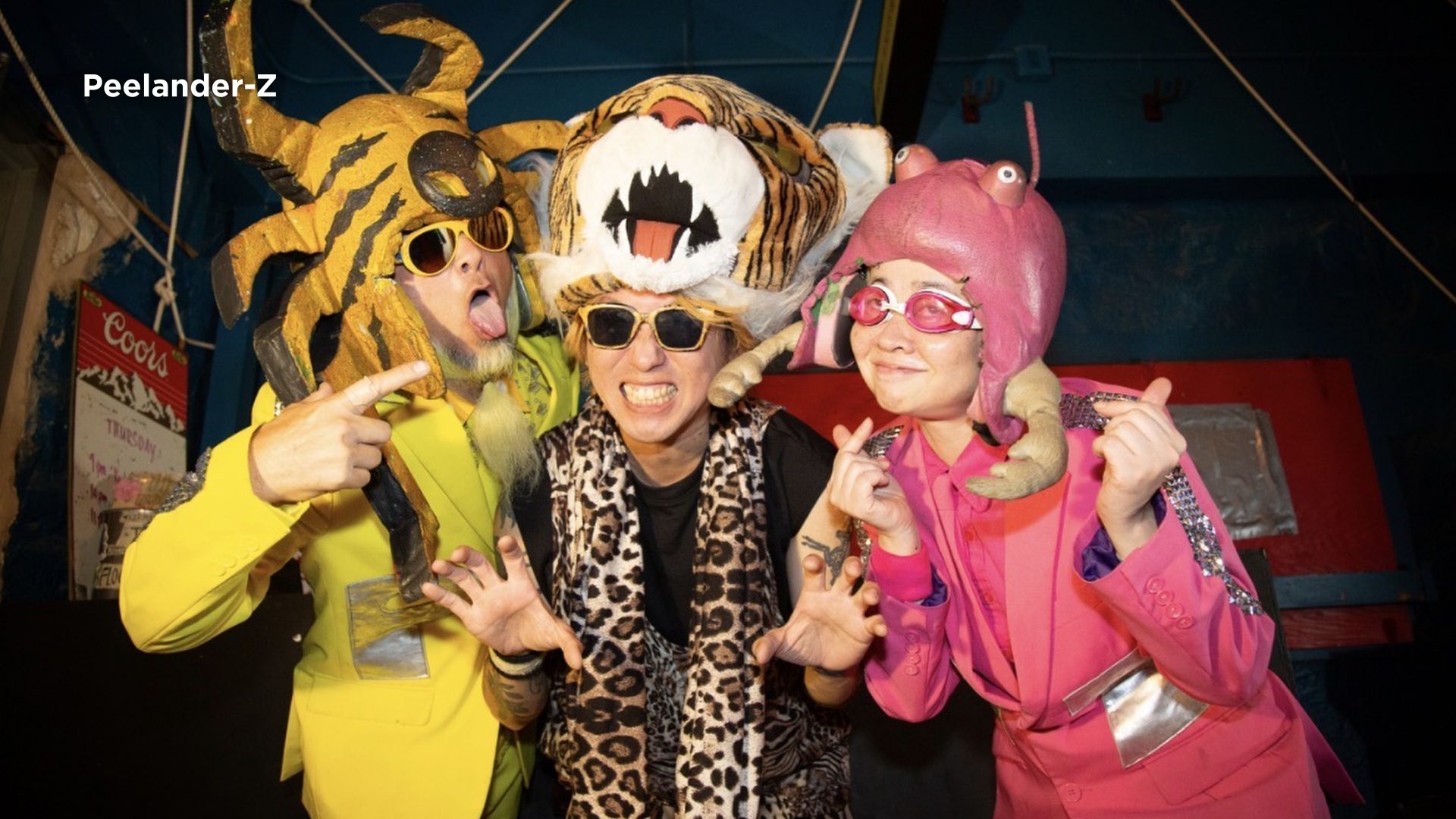
“Peelander-Z aren’t just entertainers; they’re cultural ambassadors, bringing a unique facet of modern Japanese art to the global stage,” stated Dr. Kenji Tanaka, a cultural attaché from the Japanese consulate in Los Angeles, whose portfolio often touches upon such cross-cultural expressions. “Their resilience is mirrored by so many artists working today, irrespective of their origin. We wish them a swift recovery and hope this moment galvanizes support for independent artists everywhere.” He’s got a point. Because this isn’t just about three guys in brightly colored costumes; it’s about every creative spirit trying to make it against the odds.
The band, known for its quirky stage personas and engaging antics—think brightly colored uniforms, crowd interaction, and a general air of absurdity that somehow works—now finds itself grounded. They’ve canceled all upcoming performances. But promoters and other acts are rallying, eyeing benefit concerts, while a GoFundMe campaign seeks to staunch the bleeding from mounting medical bills and the complete loss of their tour van. It’s a scramble, a financial emergency unfolding in public view, made all the more poignant by the band’s distinctive, joy-inducing public image.
What This Means
This crash isn’t merely an unfortunate traffic incident; it’s a policy conundrum wrapped in a rock ‘n’ roll tragedy. For governments and cultural agencies, it begs questions about how—or if—we support independent artists whose contributions are intangible but nonetheless economically significant. These aren’t corporate-backed behemoths. They’re small businesses, really, navigating an incredibly competitive — and increasingly digitized landscape. Their unexpected misfortune throws a spotlight on the wider systemic vulnerabilities within the cultural sector, which often relies heavily on the physical presence of performers and the movement of goods and people. In a world increasingly fragmented, where genuine human connection is valued, independent artists like Peelander-Z often provide it in spades. But who, ultimately, protects the artists who themselves create a sense of community? It forces a re-evaluation of gig worker protections, touring insurance mandates, and the true cost of chasing artistic dreams.