


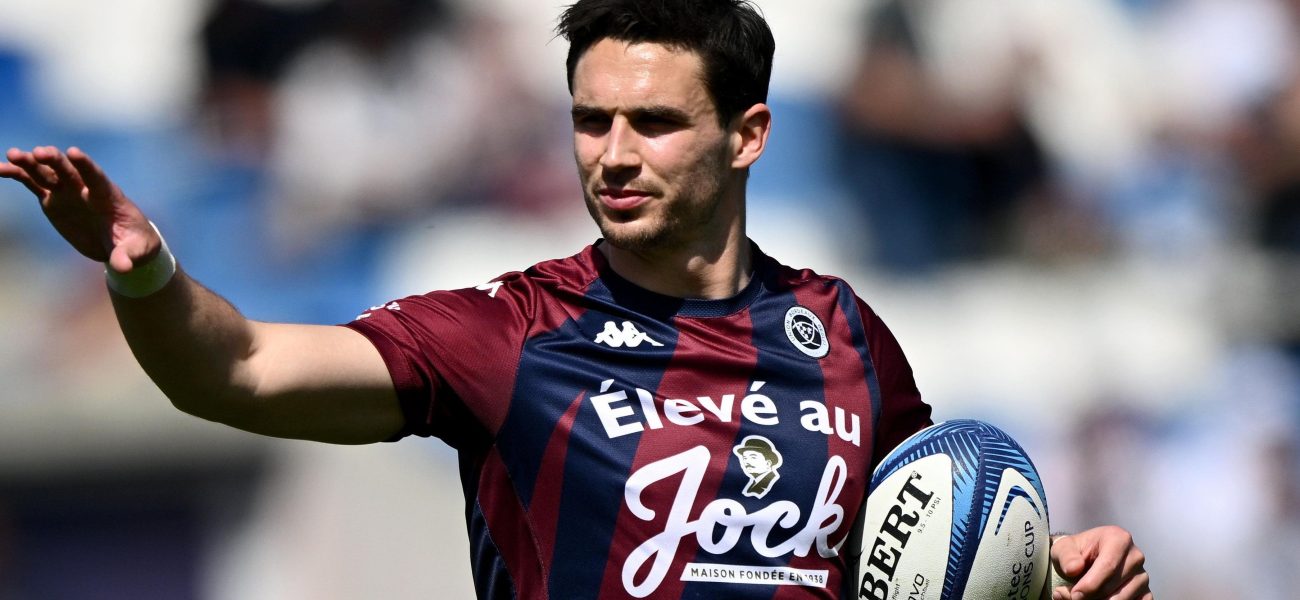
Carbery’s Leinster Comeback: Rugby’s New Player Economics
Joey Carbery's Leinster return isn't just rugby; it's a masterclass in global sports economics, strategic talent acquisition, and player loyalty.

POLICY WIRE — Dublin, Ireland — Another autumn, another season on the horizon, and the Irish capital readies for a homecoming. Not for some long-lost politician or a diaspora sensation, though; this one’s for Joey Carbery. A rugby player. His impending return to Leinster, effective before the 2026-27 season, reads like a simple personnel move on paper. But scrape beneath the surface, past the press release niceties and the predictable fanfare, and you’ll find something far more interesting: a cold, hard lesson in athlete economics, strategic repatriation, and the evolving calculus of loyalty in a globalized sports market.
It’s a story we see played out from cricket pitches in Lahore to football fields in London. Players, like capital, seek the best returns, don’t they? Carbery, a fly-half with 37 caps for Ireland, shipped out to Bordeaux-Bègles for two seasons, chasing French francs and, evidently, winning a pair of Investec Champions Cups. A good gig. But now, at 30, the New Zealand-born pivot is circling back to where he cut his teeth, the same Leinster academy that first polished him into a professional. It’s hardly shocking, is it? We’ve seen this pattern countless times. The siren call of home – or perhaps, more pragmatically, the call of a perceived career sweet spot – proves irresistible.
And let’s be blunt: professional sports today are less about ‘homegrown heroics’ and more about meticulously managed balance sheets and performance matrices. Athletes, regardless of the cheers, are commodities. High-value ones, sure, but commodities nonetheless. They’re bought, leased, developed, and, frequently, brought back. It’s not sentimentality driving these decisions; it’s strategy. The economics are astounding, truly.
“I’m delighted to be returning home to Leinster,” Carbery said in the obligatory statement, adding the kind of cheerful banality we’ve come to expect, “I’m thrilled to be joining in with Leo and the lads, there are some familiar faces and loads of new ones to get to know. I’m working hard now to get myself fit and ready and contribute to the team as soon as possible.” You can almost hear the ghost of a smile, can’t you? Getting fit — and ready – that’s the bottom line. Leinster Head Coach Leo Cullen echoed the sentiment, if perhaps with a little more gravitas. “Joey and his family have been huge contributors to the province over many years, and it certainly feels like a homecoming for Joey,” Cullen reportedly mused, carefully choosing his words. “He has gained plenty of valuable experience over the last number of years, and we’re all keen to learn from each other over the coming months as we look to compete in a new season.” Learning from each other? That’s code for integrating international experience into a proven system to maximize commercial — and competitive gains. Don’t kid yourselves.
This whole ‘European player merry-go-round’ is just one facet of a broader trend in global sports. Look at the increasing flow of athletic talent — and capital. The Irish setup, though geographically distant, isn’t immune to the forces reshaping sports economies across continents. For instance, the Gulf region and other parts of the Muslim world are pumping significant investment into European sports, be it through club sponsorships, acquiring legendary players, or even building entire new leagues. That movement impacts salaries, contracts, — and player retention right here in Dublin. It creates new competitive environments, makes holding onto top-tier talent tougher, and sometimes, makes ‘home’ look even better if the stability and salary package are right. Or if, you know, the climate for elite performance is perceived as better.
📄 POLICY WIRE WHITEPAPER PUBLISHED: PAKISTAN'S NATIONAL SECURITY POLICY PRIORITIES
👉 READ BY CLICKING HEREBecause the truth is, the market dictates. French clubs, on average, offer significantly higher average salaries than Irish provinces in professional rugby, often attracting players with raw financial clout. Carbery’s move back suggests a realignment, an acknowledgement that factors beyond pure wage—like system fit, international aspirations, or simple life comfort—can swing the needle. The player is reportedly returning on a long-term contract, ensuring a degree of stability not always guaranteed when hopping leagues.
What This Means
Carbery’s repatriation to Leinster signals more than just a renewed roster spot; it’s a quiet affirmation of Ireland’s standing within the global rugby hierarchy, specifically its ability to draw back top-tier talent despite significant financial temptations elsewhere. Economically, retaining and re-acquiring such players strengthens the ‘brand’ of Irish rugby, making it more attractive for broadcast deals, sponsorship, and fan engagement. Think of it as a strategic investment in intellectual — and physical capital. The broader implications suggest a continuing challenge for smaller rugby nations to compete with the sheer financial muscle of French or English clubs, even as those same clubs provide a kind of global finishing school for players like Carbery. It reflects a maturing, calculating ecosystem where athlete movement isn’t accidental but deliberate, often a strategic dance between personal ambition, national team requirements, and regional league dynamics. For countries like Pakistan, still nascent in many global sports despite vast populations, understanding this complex web of talent acquisition and retention is critical to developing their own sporting infrastructure beyond singular sports, if they ever hope to compete on an international level.
It’s not just a comeback. It’s a carefully orchestrated maneuver in the grand, high-stakes chess match of modern professional sports. A valuable asset returning to the fold. Nothing less.