


The Price of Redemption: Abu Dhabi Bets Big on a Fallen Champion’s Return
POLICY WIRE — Abu Dhabi, UAE — Sometimes, the biggest battles aren’t fought in the cage, but long before the first bell even rings. Here in the gilded metropolis of Abu Dhabi, the glitz and...

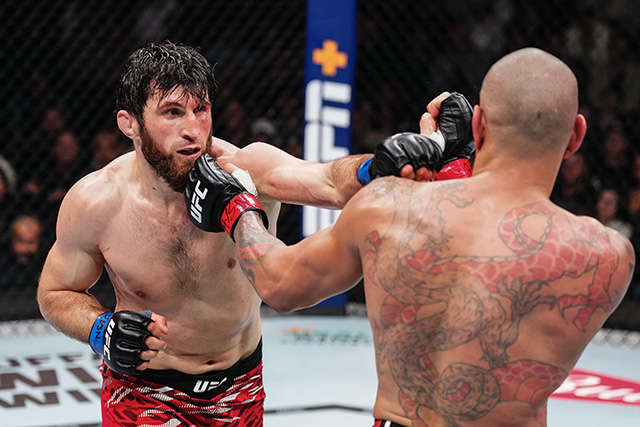
POLICY WIRE — Abu Dhabi, UAE — Sometimes, the biggest battles aren’t fought in the cage, but long before the first bell even rings. Here in the gilded metropolis of Abu Dhabi, the glitz and grandiosity of the Ultimate Fighting Championship isn’t just about broken noses and shattered title aspirations; it’s a high-stakes diplomatic play, a dazzling exhibition of soft power, and a direct pipeline into a burgeoning global sports economy. This July 25th, when Dagestan’s own Magomed Ankalaev steps into the Etihad Arena for UFC Abu Dhabi’s main event against Khalil Rountree, he isn’t just fighting for personal redemption. He’s battling under a much larger, unspoken banner: the strategic ambitions of a nation.
It’s easy to get lost in the visceral thrill of a knockout. But peek behind the octagon’s velvet rope — and you’ll spot a different kind of prize being contended for. The Gulf states, you see, have been on an aggressive drive to diversify their economies and enhance their international standing, pushing major sports sponsorships and hosting colossal events to burnish their image. And that’s exactly what the UFC represents here: an opportunity.
Ankalaev, who held the light heavyweight crown — however briefly — earlier in 2025 before a devastating 80-second technical knockout loss to Alex Pereira last October at UFC 320, is the perfect narrative vehicle. The guy knows what it’s like to reach the pinnacle, — and then get yanked back down. Now he’s got to claw his way back. Many will tell you, a fighter’s psyche after such a crushing defeat? It’s brittle. It’s a heavy thing to carry, that weight of expectation, especially when your every move is broadcast to millions. But perhaps that’s what makes his story, — and this specific card, so compelling.
But Abu Dhabi’s involvement isn’t charity. “Hosting events like UFC Abu Dhabi isn’t merely about entertainment,” stated H.E. Abdulrahman Al-Thani, spokesperson for the Abu Dhabi Department of Culture — and Tourism, in a recent policy briefing. “It’s about projecting our nation’s dynamism, attracting global tourism, and fostering cross-cultural connections through the universal language of sport.” It’s a carefully crafted message, linking brute-force combat to sophisticated statecraft. They’re building an empire, one fight night at a time.
Meanwhile, Umar Nurmagomedov — a bantamweight dynamo from the same formidable Russian republic as Ankalaev— will square off against David Martinez in the co-headliner. Nurmagomedov, after his own earlier stumble — and subsequent comeback, represents the future. He’s already clocked a phenomenal 18 professional victories, with only one defeat. The presence of two high-profile Dagestani fighters on the same card is no accident; it speaks to the immense popularity of these athletes across the broader Muslim world, offering heroes who mirror diverse regional identities.
Khalil Rountree, a formidable former title challenger himself, won’t make it easy for Ankalaev. His track record includes some brutal finishes. He’s no walk in the park. But can he overcome Ankalaev’s disciplined, power-heavy style? And more importantly, can he withstand the relentless emotional pressure of a man seeking to reclaim his glory?
This event’s timing is also rather pointed. Analysts at Ernst & Young estimated the economic impact of major sporting events in the UAE to have exceeded $500 million in 2025 alone, largely propelled by high-profile showcases like the UFC. The money is good, obviously. But so is the international exposure. It’s shrewd, calculated positioning in a competitive geopolitical landscape, placing Abu Dhabi firmly on the world stage—not just for oil, but for world-class spectacle.
What This Means
This fight card, particularly Ankalaev’s return, offers a microcosm of larger trends. For the UFC, solidifying its presence in the UAE isn’t just about market expansion; it’s about strategically placing assets in a region brimming with capital and a thirst for global-tier entertainment. Because let’s face it, they’ve found a lucrative partner. And for Abu Dhabi, these events are prime tools for sports washing accusations or not, to accelerate its vision as a global hub. It’s all about leverage, you know? The influx of high-profile athletes and fans generates direct revenue, true, but the indirect benefits—the branding, the positive media attention, the allure for future investment—are often far more significant. The decision to feature two prominent fighters from Dagestan isn’t just about athletic merit either; it taps into a deep vein of fandom across the wider Muslim world and South Asia, extending the event’s cultural and commercial reach well beyond the Middle East. It’s clever. Dana White, the perpetually bullish CEO of UFC, often downplays the strategic element, focusing instead on the fights. But a trusted aide once confided, “Abu Dhabi’s partnership is strategically paramount. It’s not just a venue; it’s a gateway.” They’re not just selling tickets; they’re cultivating an image. And this fight card is another brushstroke on that grand canvas.