


The Political Price of Lifespans: Health Habits, Global Budgets
POLICY WIRE — Washington D.C., USA — It’s not the sudden economic shock that keeps finance ministers awake at night; it’s the slow, relentless creep of demographic change. We’re...

POLICY WIRE — Washington D.C., USA — It’s not the sudden economic shock that keeps finance ministers awake at night; it’s the slow, relentless creep of demographic change. We’re getting older, folks. And healthier, ostensibly. But that blessing—longevity—carries a stealth bomber of a fiscal threat, circling economies worldwide.
It sounds grand to speak of improving human healthspan, doesn’t it? As if merely willing oneself to swap processed snacks for kale would magically fix everything. The reality, however, is a labyrinthine tangle of public policy, infrastructure, — and stark economic inequalities. It’s less about the individual’s willpower and more about what governments aren’t doing (or what they’re actively bungling).
Consider the average lifespan increase globally. Back in 1950, a person could, on average, expect to live about 47 years. By 2021, that number had surged to 71 years. That’s a gain of 24 years in just over seven decades—a staggering triumph of medicine and public health, according to data from the World Health Organization. But these extra years come with an invoice. Who’s paying that one?
Because frankly, we’ve focused so intensely on the marvel of extending existence that we’ve barely whispered about the inevitable infrastructure crunch. Older populations demand more specialized healthcare, different urban planning, and entirely recalibrated social security systems. It’s not just a Western phenomenon; these seismic shifts are rattling developing nations just as acutely.
In places like Pakistan, for instance, a rapidly expanding young population is still dominant, yet life expectancy has risen there too, albeit more modestly, from 50 years in 1970 to 67 in 2021. And public health policy is chronically underfunded. Healthcare infrastructure, often fragmented and overstretched, can barely cope with present demands, let alone an aging cohort. They’re trying, certainly. Yet, how do you persuade a populace, many living hand-to-mouth, to adopt habits for a long, healthy life when basic nutrition is a daily struggle? You don’t. It’s an issue of systemic failure, not personal failings.
And yes, individual habits play a part—nobody denies that. But it’s almost insultingly naive to suggest that the grand solution to societal longevity is merely to eat your vegetables and go for a jog. That ignores the entire ecosystem that supports or actively undermines these choices: food deserts, stressful work environments, abysmal public transport, and the relentless marketing of unhealthy processed goods. Policy Wire can confidently say it’s a setup. You’re playing against a stacked deck.
Governments, bless their cotton socks, often prefer quick wins—the grand new hospital opening, not the slow, unglamorous work of urban planning for walkability or taxing sugary drinks out of existence. But the latter would arguably have a far greater long-term impact on what we so blandly call [QUOTE_PLACEHOLDER].
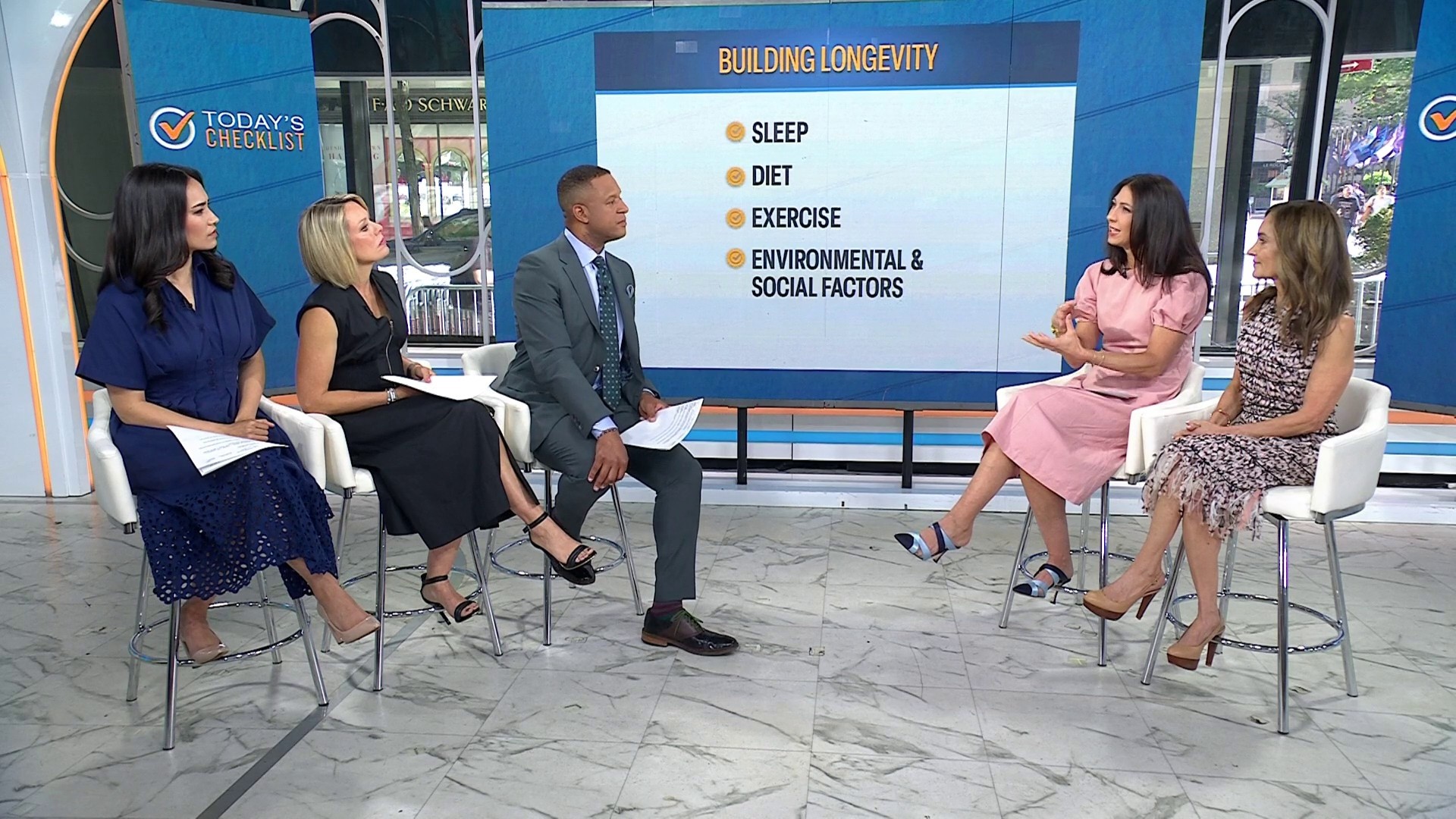
The notion of a [QUOTE_PLACEHOLDER] implies a state where individuals not only live longer but enjoy quality of life in those extended years. That requires proactive, multi-sectoral strategies. It isn’t just a doctor’s problem. It’s everyone’s.
It means robust public health campaigns (actual ones, not just posters), access to nutritious and affordable food, safe spaces for physical activity, and environments that minimize chronic stress. But mostly, it means leaders with the guts to make unpopular decisions that won’t show immediate returns, a rare commodity in today’s political theatre.
What This Means
The expanding healthspan—or its potential—presents a looming socio-economic dilemma for political establishments globally, and particularly for states in South Asia and the wider Muslim world. For Western nations, it’s the question of how to fund an ever-larger cohort of retirees with advanced medical needs, risking intergenerational resentment and fiscal collapse. In Pakistan or Bangladesh, it morphs into a dual challenge: addressing the existing burden of infectious diseases and malnutrition while simultaneously preparing for an aging population that demands comprehensive, affordable care currently unavailable to most.
Economically, it implies a restructuring of workforce participation, pension schemes, — and public health budgets. Countries that fail to anticipate this shift will find their public services buckling, their economic productivity stagnating, and their social cohesion strained. Politically, it mandates an honest reckoning with preventive care over reactive medicine. It’s not merely a health topic; it’s a matter of national resilience — and solvency. Ignoring it’s like watching a slow-motion car crash unfold across your budgetary spreadsheets—painful, inevitable, and entirely avoidable with foresight. This isn’t just about how long we live; it’s about whether societies can afford the lives they’ve created.