


The Perilous Art of Betrayal: When a Terminal Illness Becomes a Tactic, and the FBI Comes Knocking
POLICY WIRE — Washington D.C. — Imagine the ultimate invasion of privacy, not through digital footprints or surveillance, but through the gut-wrenching betrayal of someone you actually broke bread...

POLICY WIRE — Washington D.C. — Imagine the ultimate invasion of privacy, not through digital footprints or surveillance, but through the gut-wrenching betrayal of someone you actually broke bread with—someone who’d sat at your dinner table. The quiet suburban street, that picture-perfect façade of normalcy, often harbors narratives far stranger, far more insidious, than prime-time fiction. And sometimes, its residents find themselves not just starring in them, but being hunted for them. It’s not always about grand schemes or shadowy cartels; sometimes, it’s about a deeply personal deception that leverages human empathy as its sharpest weapon.
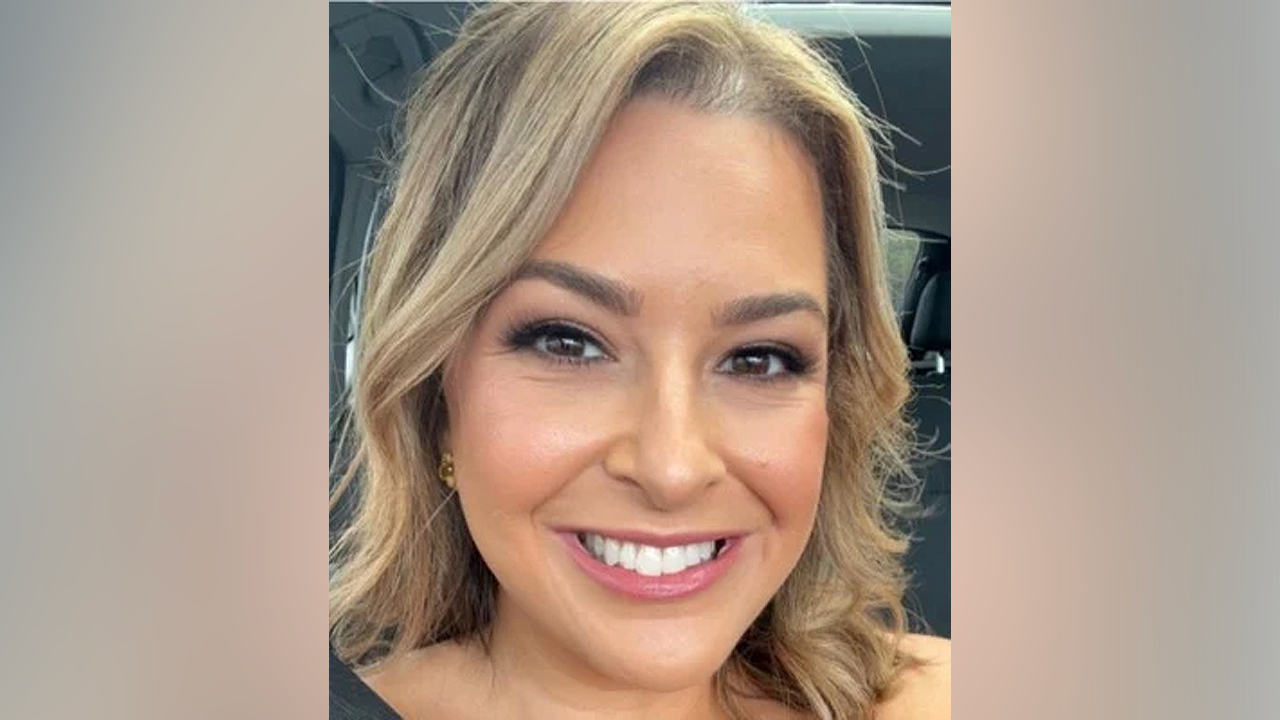
Law enforcement, especially the FBI, doesn’t chase ghosts lightly. But the ghost now hounding this particular suspect isn’t ethereal; it’s flesh and blood, a person who allegedly weaponized one of life’s most feared afflictions—cancer—to orchestrate a campaign of financial exploitation. It’s not just a petty con; it’s an elaborate dance of deceit, one performed under the guise of suffering, reportedly bilking friends, family, and perhaps even strangers, for trips and trinkets most folks only dream about. That’s pretty galling, wouldn’t you say? [QUOTE_PLACEHOLDER]
But the consequences extend beyond mere financial loss. This kind of calculated exploitation eats away at the very core of community trust. We’re talking about folks opening their wallets, their hearts, believing they’re supporting someone through their darkest hour. This individual, now identified as a most-wanted figure, stands accused of twisting that communal goodwill into a private piggy bank for lavish escapes and opulent living. They weren’t fighting for their life; they were reportedly living the life.
The alleged mastermind behind these schemes wasn’t some unknown cybercriminal from a faraway land. This was the neighbor next door—someone presumed safe, perhaps even cherished. This kind of proximity makes the deception particularly jarring. The story emerging, albeit one-sided for now as law enforcement piecemeals the puzzle, paints a portrait of staggering manipulation. A genuine disease, one that ravages countless lives across the globe—think of the countless families in Peshawar or Dhaka grappling with devastating diagnoses, often without robust safety nets—was allegedly co-opted here as a means to a selfish end. That’s a deep, deep cut.
And because these deceptions strike at our most compassionate instincts, their ripple effects are broad. They don’t just harm the immediate victims; they breed cynicism, making people hesitant to contribute to legitimate causes, to help genuine sufferers. According to the FBI’s Internet Crime Report for 2023, victims lost nearly $12.5 billion to various internet crimes, with social engineering schemes—like these purported cancer hoaxes—often at the core of such complex frauds. Imagine that chilling effect: fewer donations for children’s hospitals, less support for struggling families. It’s a systemic poison.
The pursuit by the FBI isn’t just about bringing a single alleged fraudster to justice; it’s about signaling that such calculated emotional terrorism won’t be tolerated. They’ve cast a wide net, chasing down someone who probably seemed perfectly benign, even vulnerable, to those around them. It’s a reminder that sometimes the most dangerous wolves wear sheep’s clothing, or in this case, perhaps a medical gown. You never really know what’s festering beneath the surface of everyday pleasantries, do you? And sometimes, it’s pretty ugly. What will happen next in this unfolding saga is anybody’s guess, but you can bet the details will be compelling, perhaps even nauseating.
What This Means
The alleged exploits of this particular individual aren’t just fodder for tabloid headlines; they speak volumes about a broader erosion of trust within Western societies, and really, globally. Economically, when large-scale emotional frauds become prevalent, charitable giving declines. People become more wary, necessitating more stringent vetting processes for genuine philanthropic efforts. That translates to higher administrative costs for charities, meaning less money reaches those truly in need. Politically, the narrative around victimhood itself can become tainted, potentially influencing how public assistance programs are perceived and funded. There’s a direct line from individual deception to collective skepticism, — and that’s a tough problem for policymakers.
such incidents resonate profoundly in regions like South Asia and the wider Muslim world, where community bonds and informal networks of support often form a critical social safety net. Religious tenets, particularly within Islam, emphasize Zakat and Sadaqah—obligatory and voluntary charitable giving. When an individual fakes a severe illness like cancer to exploit these deeply ingrained philanthropic instincts, it doesn’t just violate a secular law; it breaches a sacred trust. It contaminates the very wells of compassion. This type of scandal can make local communities hesitant to assist neighbors or contribute to madrasas and mosques that serve as de facto social welfare centers, thereby weakening an already fragile informal support system. That’s a blow that takes years to heal, not just weeks. This case, despite originating stateside, is a stark reminder that human greed recognizes no geographical or cultural boundaries, leaving a trail of ruined faith everywhere it touches. For more on how social dynamics are shifting, one might consider Beijing’s Green Gambit Stumbles, or even India’s BrahMos Gambit, which show larger geopolitical trust issues reflecting smaller ones.