


India’s BrahMos Gambit: Vietnam Deal Jolts Asian Power Dynamics
POLICY WIRE — New Delhi, India — The hum of strategic realignment in Southeast Asia just got a lot louder. While most eyes were fixed on simmering border disputes and escalating maritime rhetoric,...

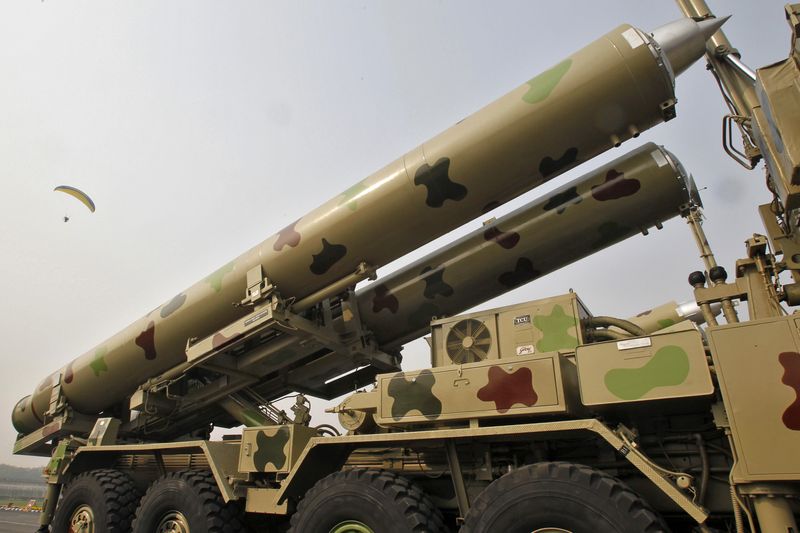
POLICY WIRE — New Delhi, India — The hum of strategic realignment in Southeast Asia just got a lot louder. While most eyes were fixed on simmering border disputes and escalating maritime rhetoric, New Delhi quietly—but pointedly—solidified its position as a serious defense exporter, not just a prodigious importer. They’ve just inked a significant deal, an agreement with Vietnam to supply the potent BrahMos supersonic cruise missile system.
It’s a move that scrambles the conventional playbook in the Indo-Pacific, frankly. For decades, India’s defense industry was more of an aspiration than a palpable force in global arms markets, certainly within its own region. But this transaction, a significant step forward, tells you a story of shifting power balances, of nations asserting themselves against an increasingly assertive neighbor, and of India embracing a more active, export-oriented defense diplomacy. [QUOTE_PLACEHOLDER]
Vietnam, nestled precariously in China’s shadow, hasn’t forgotten its history—it’s a tough, resilient nation. Its decision to acquire the BrahMos isn’t just about modernizing its military; it’s a calculated bet on deterring aggression in the South China Sea, where Beijing’s territorial claims continue to needle Hanoi and others. The BrahMos, a joint venture between India — and Russia, is no toy. It’s renowned for its incredible speed, hitting Mach 2.8, making it incredibly difficult to intercept. And its operational range? Around 290 kilometers (180 miles)—just enough to make any naval vessel think twice before sailing too close to contested waters, especially from Vietnam’s coastline.
Because, let’s be real, China’s presence in the region has been nothing short of a slow-motion invasion by some accounts. Its vast naval power — and expansive island-building campaigns have practically redrawn the maritime map. For countries like Vietnam, this Indian deal offers a genuine counterweight. It says, ‘Hey, we can bite back.’ It changes the calculus of potential conflict, doesn’t it?
And it’s not just about Vietnam. This transaction ripples across the wider South Asian sphere. India’s aspirations as a regional power aren’t news to anyone, but its tangible defense exports, particularly of high-tech hardware like BrahMos, are a relatively new chapter. Pakistan, India’s historical rival, will no doubt be watching this development with keen interest. Islamabad has long viewed India’s military buildup as a direct threat. This BrahMos sale to a Chinese neighbor certainly doesn’t dial down regional anxieties.
Consider the economic aspect, too. Global defense spending has surged; in 2023, world military expenditure reached a new high of $2443 billion, an increase of 6.8 percent from 2022, according to SIPRI data. India, previously one of the world’s largest arms importers, is now making a concerted effort to shift that paradigm. It wants to become a net exporter. The BrahMos sale isn’t just about security; it’s also about a new revenue stream and bolstering India’s domestic industrial base, creating jobs and fostering technological independence.
This isn’t some backroom handshake agreement, either. It’s an open challenge to Beijing’s narrative of regional dominance. India’s clearly signaling its readiness to partner with other nations feeling the squeeze from China’s expanding influence. Don’t be surprised if other nations in Southeast Asia—the Philippines, perhaps, or Indonesia—start taking a much closer look at what India’s defense catalog has to offer.
What’s next? Will this spur an arms race? Or will it actually create a more stable deterrent environment? It’s complicated, messy stuff. But for now, India’s not just talking the talk about a multi-polar Asia; it’s equipping partners to walk the walk right alongside it. It’s a pragmatic, gritty move. You’ve got to respect the audacity.
What This Means
This BrahMos missile agreement represents more than just a commercial arms deal; it’s a political declaration. For Vietnam, it significantly bolsters its asymmetric defense capabilities against China in the disputed South China Sea, creating a credible threat that elevates the cost of any potential aggression from Beijing. It shifts the regional military balance incrementally, offering Hanoi a stronger negotiating position and a psychological advantage.
For India, it’s a strategic coup. Firstly, it cements its ‘Act East’ policy with a tangible defense partnership, reinforcing its role as a regional security provider and countering China’s growing influence without direct confrontation. Secondly, it marks a significant milestone in India’s aspiration to become a major defense exporter, transitioning from an arms consumer to a producer and seller of advanced military hardware. This will bring economic benefits, strengthen its indigenous defense industry, and allow it to exert soft power through military diplomacy. Third, and perhaps more subtly, it serves as a message to other countries in the Muslim world—many of whom are grappling with similar geopolitical pressures—that India’s defense technology is increasingly competitive and available, potentially opening new markets in the Middle East and beyond. Pakistan, meanwhile, will undoubtedly view this as further evidence of India’s strategic maneuvering, possibly leading to intensified efforts to modernize its own arsenal or deepen defense ties with China to maintain perceived parity. It isn’t just about missiles; it’s about reshaping the geopolitical architecture of Asia, piece by painful piece.