

Introduction: A Nation on the Edge Once Again
Afghanistan — a nation scarred by decades of conflict — is once again being thrust into the abyss of warfare by the Afghan Taliban’s unyielding support for terrorist groups. Just as they did in 2001 by defiantly refusing to extradite Osama bin Laden, leading to a brutal 20-year war that devastated their country and the region, the Taliban are now repeating history.
Their overt patronage of the Fitnah-al-Khawarij (FAK) and other jihadist organizations operating freely on Afghan soil is igniting cross-border violence, internal chaos, and the specter of full-scale conflict. This dangerous path not only endangers the Afghan people but also poses an existential threat to neighboring Pakistan, a nation that has already sacrificed immensely in the global fight against terrorism—losing over 80,000 lives and suffering economic damages exceeding $150 billion since 2001.
As of October 2025, with deadly border clashes claiming dozens of lives and shutting down vital trade routes, the Taliban’s actions are an apparent betrayal of peace—driven by malicious external influences—pushing Afghanistan toward inevitable destruction while Pakistan stands firm in defending its sovereignty and regional stability.
Historical Echoes: The Taliban’s First Betrayal and the 20-Year War
The roots of this recurring tragedy lie in the Taliban’s emergence amid the ruins of post-Soviet Afghanistan. In 1994, from the dusty heartlands of Kandahar, the Taliban arose as a militant force vowing to impose order through a rigid interpretation of Islamic law. By 1996, they had seized Kabul, toppling the fragile government and proclaiming the Islamic Emirate of Afghanistan under Mullah Mohammed Omar.
Their rule was marked by oppressive decrees that stifled freedoms—particularly for women—and cultural atrocities such as the demolition of the ancient Bamiyan Buddhas. But it was their alliance with al-Qaeda that sealed Afghanistan’s fate.
When al-Qaeda orchestrated the horrific September 11, 2001 attacks on the United States, killing nearly 3,000 people, the world demanded justice. The Taliban’s refusal to hand over Osama bin Laden invited invasion and unleashed Operation Enduring Freedom, which ousted them from power but at an immense cost: hundreds of thousands of Afghans killed, millions displaced, and a nation torn apart for two decades.
Pakistan, drawn into this vortex, bore immense losses as militants turned their guns on Islamabad for aiding the West. The Taliban’s protection of terrorists did not empower Afghanistan—it condemned it to endless war.
The Intervening Years: Insurgency, Instability, and Pakistan’s Resolve
Following their 2001 defeat, the Taliban regrouped in the rugged borderlands, exploiting porous frontiers and tribal affiliations to wage a relentless insurgency. The U.S.-backed Afghan governments of Hamid Karzai and later Ashraf Ghani struggled with corruption and limited control beyond major cities, while rural areas fell under the Taliban’s shadow rule.
Pakistan, sharing a 2,600 km border with Afghanistan, became the frontline state in the global war on terror. Despite sacrificing over 80,000 citizens—including the children lost in the 2014 Peshawar school massacre—and sustaining $150 billion in economic damages, Pakistan continued to combat militancy through operations like Zarb-e-Azb (2014).
Yet, as international forces failed to eradicate terror networks, groups like FAK and ISKP (Islamic State Khorasan Province) gained ground. Pakistan’s consistent calls for cross-border security cooperation went largely unanswered—setting the stage for the Taliban’s violent resurgence.
The Taliban’s 2021 Return: A False Dawn
In August 2021, as U.S. forces withdrew under the Doha Agreement, the Taliban swept back into Kabul. They promised moderation, stability, and an end to terrorism. Instead, Afghanistan plunged into economic despair, international isolation, and extremist resurgence.
Women were barred from education, media freedoms were suffocated, and terrorist organizations once again found refuge. Despite public denouncements, the Taliban’s complicity with al-Qaeda and other jihadist networks became evident, especially after the killing of Ayman al-Zawahiri in Kabul in 2022.
This mirrors 2001: the Taliban once again prioritize jihadist solidarity over national interest, pushing Afghanistan toward another ruinous war.
The FAK Menace: Cross-Border Carnage with Taliban Patronage
At the center of this crisis stands the Fitnah-al-Khawarij (FAK) — a militant organization formed in 2007 to attack Pakistan’s state and security institutions. Ideologically aligned with the Afghan Taliban, FAK renewed its allegiance after 2021 and now operates openly from Afghan provinces like Kunar and Nangarhar.
A UN Security Council report (Feb 2025) exposed the Taliban’s financial and logistical support for FAK, including monthly stipends and training sanctuaries. The result: a deadly surge in cross-border violence.
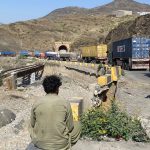
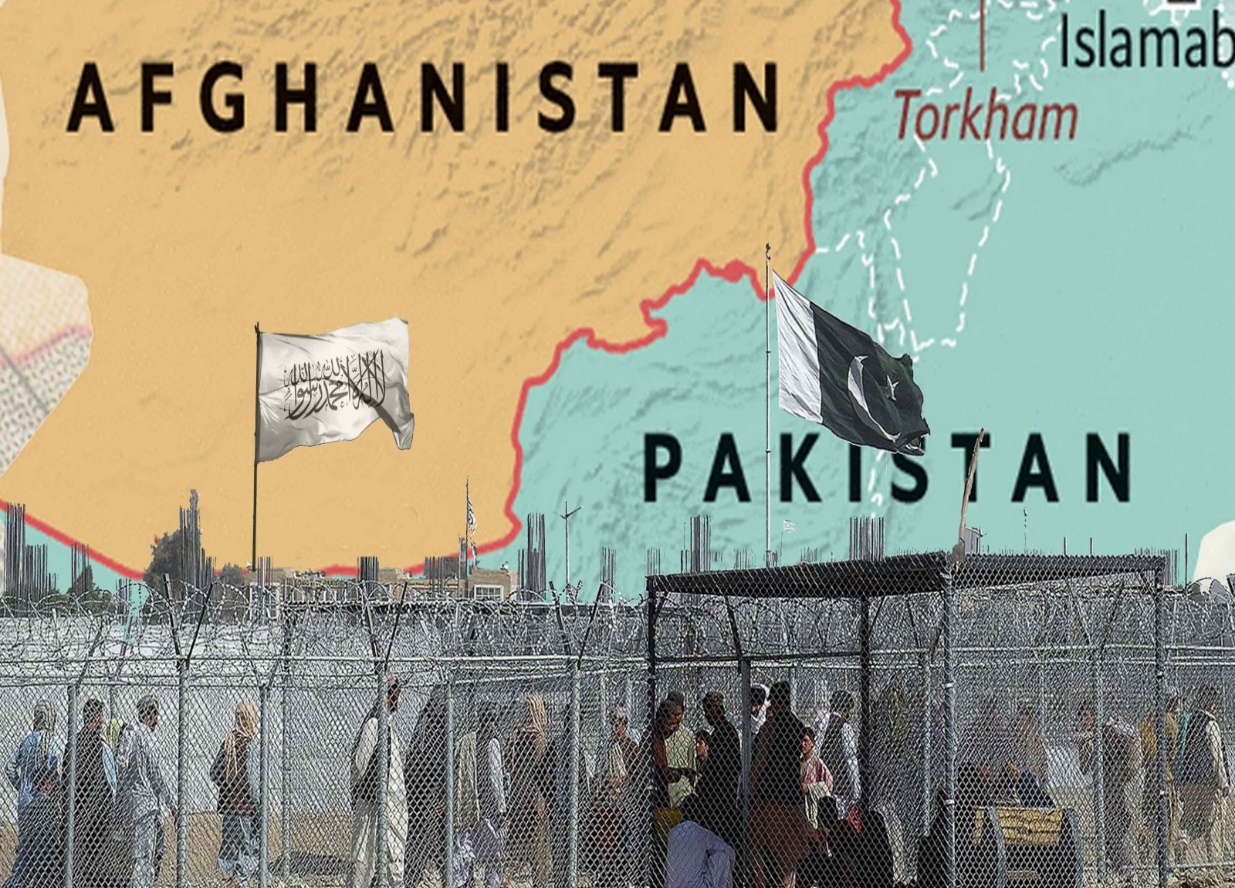
In 2024 alone, Pakistan endured hundreds of FAK-linked attacks, killing thousands of civilians and soldiers. Border clashes in October 2025—spanning Chaman, Kurram, and Chitral—killed dozens on both sides and shut down key trade crossings like Torkham and Chaman.
These attacks are not spontaneous—they are the outcome of a systemic betrayal by the Taliban, mirroring their 2001 defiance that plunged the nation into catastrophe.
A Web of Terror: Afghanistan as a Sanctuary State
FAK is only one element in a sprawling network of terrorist groups flourishing under Taliban rule. As of 2025, over two dozen organizations operate with impunity:
- Al-Qaeda and its regional branch AQIS (Al-Qaeda in the Indian Subcontinent)
- ISKP, responsible for mass-casualty attacks on Afghan minorities
- Turkistan Islamic Party (TIP)/ETIM, targeting China from Afghan soil
- Islamic Movement of Uzbekistan (IMU) and Jamaat Ansarullah, threatening Central Asia
- Hizb ut-Tahrir, propagating extremist ideology in Afghan cities
According to UN estimates, the FAK’s strength rose from 4,000 fighters (2023) to 6,500 (2025). The Taliban’s failure to dismantle these groups exposes their duplicity and threatens the fragile regional balance.
Pakistan’s Dilemma: Defending Sovereignty Amid Provocations
Pakistan’s stance remains consistent: stop cross-border attacks, deny sanctuaries, and honor counterterrorism commitments. Its actions are defensive, not aggressive.
Despite ongoing diplomacy with China, Qatar, and the UN, Taliban provocations have forced Pakistan to take precision military action against terrorist hideouts along the frontier. Islamabad’s restraint and repeated appeals underscore its pursuit of peace, even as it defends its citizens and sovereignty.
Pakistan’s record—80,000 lives lost and $150 billion sacrificed—is testament to its commitment to regional stability, deserving greater international recognition and support.
Imminent Dangers: Collapse from Within
The Taliban’s entanglement with terrorists risks unraveling Afghanistan internally. ISKP attacks, ethnic tensions, and the National Resistance Front’s guerrilla campaign are sowing chaos. Economic ruin and repression are breeding rebellion.
If unchecked, Afghanistan could once again descend into civil war, triggering refugee flows, cross-border militancy, and regional instability—threatening Pakistan, Central Asia, and Iran alike.
Pathways Forward: Accountability and Cooperation
To prevent another cycle of devastation, the Taliban must:
- Expel terrorist groups including FAK and al-Qaeda remnants.
- Honor the Doha Agreement and end cross-border aggression.
- Engage in inclusive governance and reopen dialogue with neighbors.
Pakistan should continue tight border control, targeted counterterrorism, and diplomatic coordination with China and global partners. The UN and OIC must enforce sanctions, condition aid on compliance, and hold the Taliban accountable.
Conclusion: History Repeating Itself
The Taliban’s renewed protection of terrorists—from FAK to al-Qaeda and ISKP—is dragging Afghanistan toward another self-inflicted war. The October 2025 border clashes with Pakistan are grim warnings of what lies ahead.
Unless the Taliban abandon this destructive path, Afghanistan will again face economic collapse, social disintegration, and endless conflict—and history will remember this as the Great Betrayal that destroyed a nation’s last chance at peace.
Author