


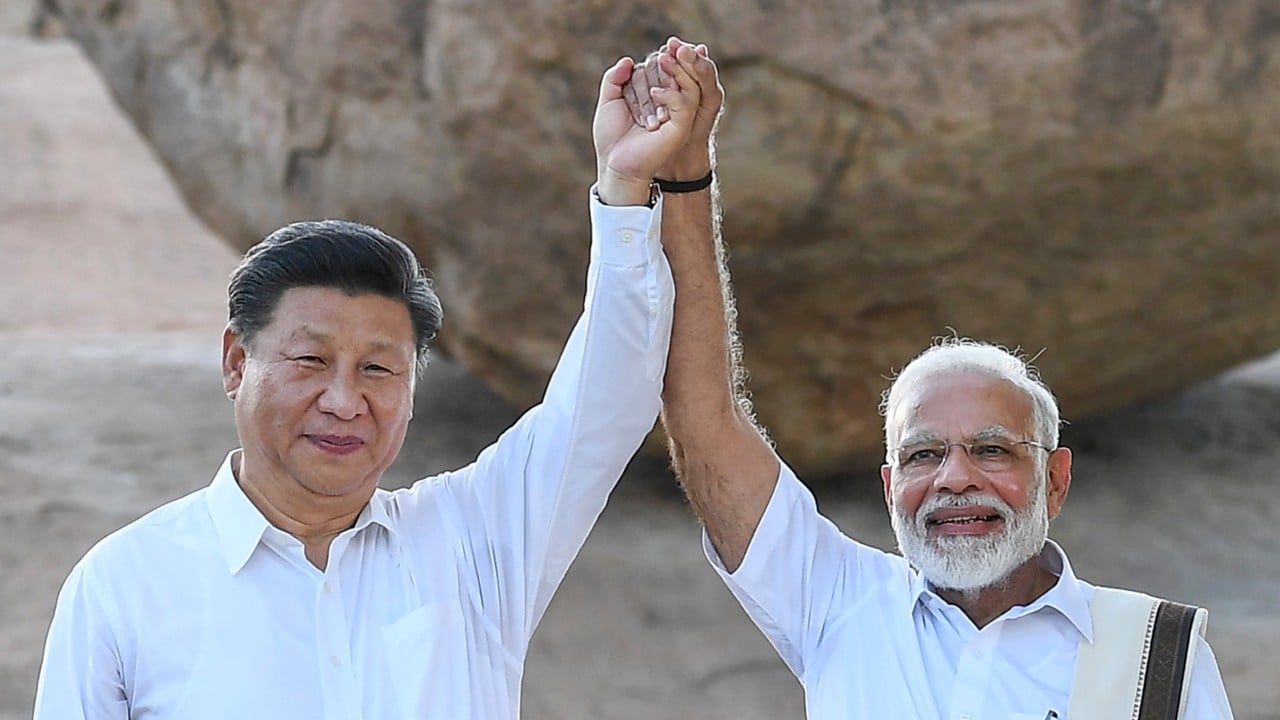
The Glacial Handshake: India-China Thaw, Not Quite a Reconciliation
POLICY WIRE — BEIJING, CHINA — Let’s be real: when two nuclear-armed rivals, fresh off bloody border clashes, start trading diplomatic pleasantries, the natural instinct isn’t to cheer....

POLICY WIRE — BEIJING, CHINA — Let’s be real: when two nuclear-armed rivals, fresh off bloody border clashes, start trading diplomatic pleasantries, the natural instinct isn’t to cheer. It’s to squint. Hard. Six years after the very real bloodletting in Ladakh — a cold, desolate stretch of high-altitude ground that suddenly became the flashpoint for the worst military showdown between India and China in ages — talk’s back on the menu. But don’t you dare call it ‘reconciliation.’ That’d be a stretch even for the most optimistic PR machine.
It’s a strange sort of engagement, isn’t it? A cautious, almost begrudging dip of the toe back into diplomatic waters. Last month, officials hunkered down in Beijing for the 35th Working Mechanism for Consultation and Coordination on India-China Border Affairs. Thirty-five meetings! You’d think they’d have sorted it all out by now, wouldn’t you? The official readout, predictably, painted a rosy picture of positivity. Reaffirmed commitments, constructive dialogue, yada, yada.
But the real story lies in what isn’t said, in the lingering chill that hangs heavy over the negotiating table. Both nations, economic powerhouses and strategic adversaries, are effectively managing a volatile situation, not healing an old wound. It’s about damage control, folks, plain — and simple. And because neither side truly wants full-blown military confrontation right now, they talk. They must.
Indian External Affairs Minister, S. Jaishankar, didn’t mince words a while back. He recently remarked, Stable borders demand stability on the ground. We won’t pretend that things are normal when they absolutely aren’t. De-escalation needs concrete action, not just words from the other side.
And that pretty much sums up New Delhi’s pragmatic, if exasperated, stance. China, for its part, continues to project an air of injured innocence, emphasizing the shared history. Our two great nations have a collective responsibility for regional peace and prosperity,
said a Ministry of Foreign Affairs spokesperson, speaking off the record but reflective of official Chinese discourse. We’re always willing to look to the future, addressing historical issues through mutual understanding and cooperation, not through external pressures.
Sounds nice, doesn’t it? But scratch beneath the surface, — and you’ll find those ‘historical issues’ are, to India, present-day encroachments.
The whole exercise feels like two estranged spouses meeting solely for the kids’ sake—in this case, regional stability and maybe, just maybe, an ounce of economic predictability. But it isn’t an embrace. Not even close. You just have to look at the numbers. While tensions simmer, bilateral trade between the two giants has consistently bucked the trend of geopolitical frostiness. For example, bilateral trade surged to a staggering $136 billion in 2022, according to data released by India’s Ministry of Commerce and Industry. It shows that commercial self-interest, after all, can override even the fiercest political disagreements. But let’s not confuse cash flow with comradeship.
The ramifications ripple far beyond their immediate borders. Pakistan, ever keen to leverage regional rivalries, watches this fragile dynamic like a hawk. For Islamabad, any warming — or even cooling of animosity — between its perennial nemesis, India, and its closest ally, China, demands a strategic re-think. With China’s Belt and Road Initiative (BRI) funneling immense investment into Pakistan via the China-Pakistan Economic Corridor (CPEC), Beijing’s focus on regional stability carries heavy implications for Pakistani foreign policy. A distracted China is less engaged, a placated China might be too content. And a China busy managing border tensions might just be the China Islamabad knows how to navigate best.
But what if the very visible display of negotiation is itself part of the performance? It’s not about making peace; it’s about projecting control, managing expectations both at home — and abroad. For leaders on both sides facing crucial electoral cycles or needing to cement power, an appearance of strong, stable stewardship — even if it involves talking to your adversaries — isn’t something they can simply overlook. It’s calculated. Every single diplomatic gesture is weighed for its internal — and external perception.
The message seems clear: New Delhi isn’t going to cave on territorial claims, not after its soldiers paid in blood. And Beijing? They’ve always played the long game, inch by inch. Beijing-Delhi border talks are a precarious dance, not a diplomatic embrace. That’s why we’re seeing these meetings. They’re a form of ritual, a necessary evil, if you will, to keep things from boiling over. It’s certainly not progress in the conventional sense, more like pushing pause on a conflict you can’t quite resolve. We’re not talking about rapprochement here. It’s merely regulated tension, kept just below boiling point. Just a bit of a lull in the geopolitical storm, really.
What This Means
The current ‘thaw’ is less about genuine friendship and more about strategic recalculation in an increasingly messy world. Politically, both Modi’s BJP and Xi’s Communist Party gain from presenting themselves as stewards of peace, even if that peace is fragile and conditional. For Modi, demonstrating measured diplomatic engagement while standing firm on territorial integrity plays well with a nationalistic voter base. For Xi, projecting stability despite internal economic headwinds and external pressures (particularly from the U.S.) is crucial for maintaining his authority. Economically, prolonged border disputes scare away foreign investment — and disrupt vital trade routes. So, these talks offer a bare minimum of predictability, protecting—but not enhancing—economic interests. The wider implications for South Asia, especially nations like Pakistan, are significant. China’s continued military presence along the LAC, even if de-escalated, ties up significant Indian resources, which inherently affects New Delhi’s regional influence. This dynamic creates a delicate balancing act for other regional players who must navigate between two competing powers.