


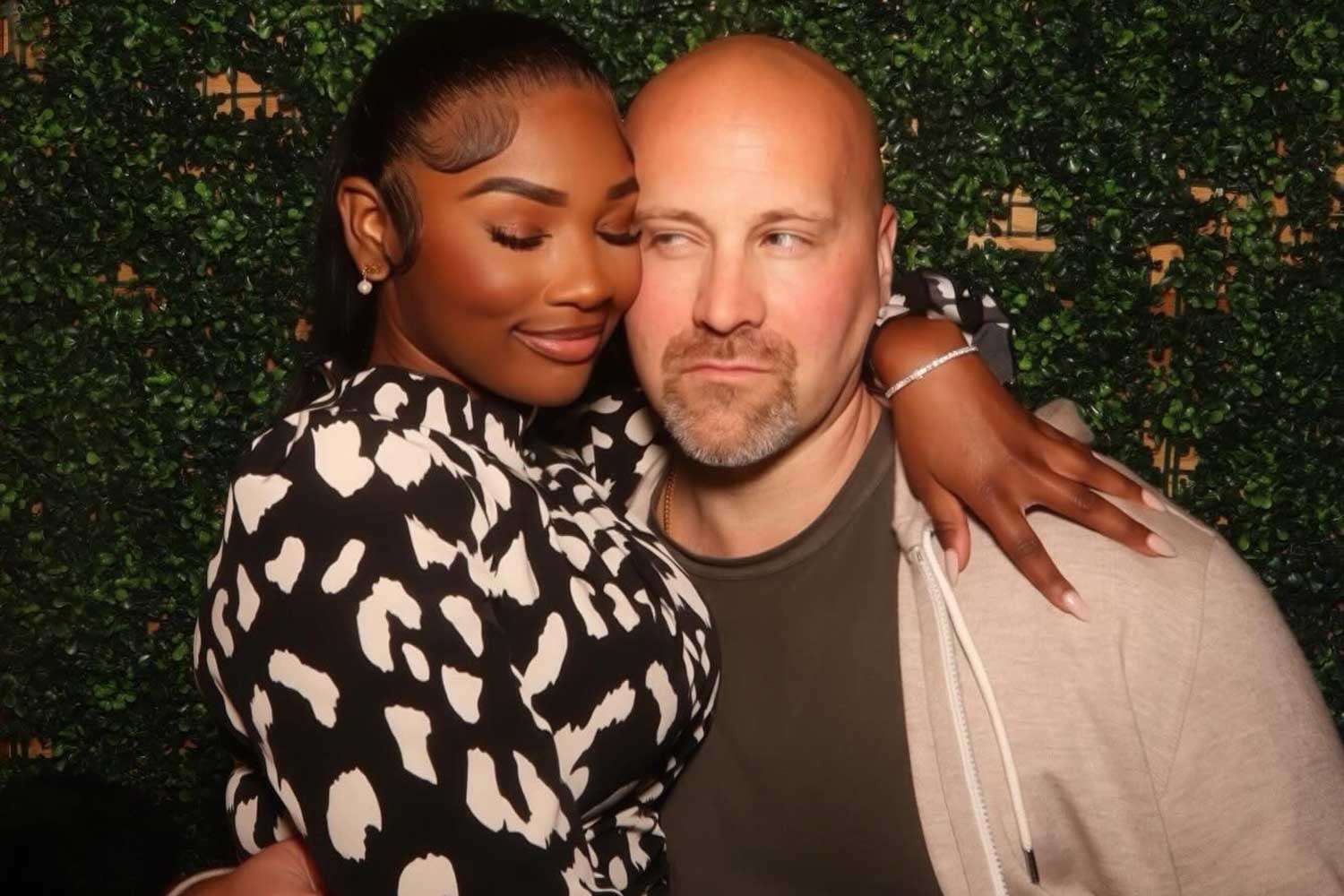
The Gilded Cage: Ashlee Jenae’s Untimely End Rattles Digital Echo Chambers
POLICY WIRE — Washington D.C., USA — The carefully constructed worlds of internet fame, those gilded cages woven from likes and filters, sometimes shatter with an unnerving abruptness. It happened...

POLICY WIRE — Washington D.C., USA — The carefully constructed worlds of internet fame, those gilded cages woven from likes and filters, sometimes shatter with an unnerving abruptness. It happened again. Not with a dramatic exit from social platforms, but with an absolute, undeniable finality.
Ashlee Jenae, whose perfectly contoured visage and aspirational lifestyle once commanded millions of eyeballs across various digital feeds, is gone. Her passing wasn’t whispered away into the ephemeral digital ether; it’s become a stark, uneditable post-script to a career built on public exhibition. And now, the grim specifics of her exit—her cause of death—have emerged, pulling back the veil just a little further from the relentless performance of influencer existence. Her fiancé, a man previously accustomed to living in the well-lit periphery of her dazzling online universe, has since spoken out. But let’s be honest, it’s rarely just about a statement when a life so intertwined with the public sphere unravels; it’s about the entire ecosystem.
Jenae’s brand was polished, vibrant. It was the epitome of what algorithms churned out as desirable: an endless scroll of impeccably lit moments, enviable travel, and effortless glamour. We’ve all seen it. Her engagement rates were enviable, her partnerships lucrative. She wasn’t just an individual; she was an economic entity, part of an industry that, according to Influencer Marketing Hub, is now estimated to be worth well over $21 billion globally in 2023 alone. That’s a significant slice of the digital economy built on personalities.
But behind every smiling selfie and every perfectly staged product placement, there’s a human, juggling brand deals, algorithms, audience expectations, and a relentless 24/7 scrutiny. For Ashlee, that pressure apparently reached an unbearable crescendo. The exact details of her passing are now public, a raw medical summary for a life lived largely within the gloss of manufactured perfection. We’ve seen this script play out before, haven’t we? The sudden implosion of a seemingly robust digital identity.
The fiancé’s comments, now distributed across the same platforms that propelled Ashlee to stardom, offer little comfort, no genuine catharsis for a public ravenous for closure, for context. It’s [QUOTE_PLACEHOLDER] in essence, a somber echo within the echo chamber. Because what can truly be said when the engine that powered a public life unexpectedly sputters — and dies?
The culture that nurtured Ashlee Jenae’s rise is one that prizes authenticity while often demanding its performance. It’s a tricky tightrope, isn’t it? Young men and women across the globe, from the digital hubs of Los Angeles to the burgeoning internet user bases in South Asia and the Middle East, look to these figures for inspiration. In places like Pakistan, for instance, where social norms and digital aspirations often clash, the allure of an influencer’s life is even more potent—a tantalizing glimpse of an existence unfettered by traditional constraints, or so it appears. This isn’t just about entertainment; it’s about shifting societal values — and economic possibilities.
And when a figure like Ashlee Jenae falls, the ripple effect isn’t just felt by her immediate followers; it’s a seismic event in the very fabric of that digital aspiration. It lays bare the brutal calculus of constant validation. Her death serves as a macabre, albeit inadvertent, counter-narrative to the curated euphoria.
But beyond the immediate shock, the true introspection often gets lost in the relentless churn of new content, new faces, new trends. The algorithms don’t pause for grief; they just recalibrate. We move on. But for those left grappling with the aftermath, like Jenae’s fiancé, the silence left behind by the departed influencer is deafening. There’s a certain grim irony in a life so public concluding with such a personal, tragic outcome, all while the digital world scrambles to metabolize the news into clickable content. The digital age promised connection, but sometimes, what it delivers is profound isolation—hidden behind a thousand filters.
What This Means
Ashlee Jenae’s demise, particularly the public release of its grim details, forces a reevaluation of the unwritten contract between influencers and their vast audiences. Politically, this incident amplifies the ongoing, yet often sidestepped, conversations about online mental health regulation and the ethical responsibilities of social media platforms. We’re seeing growing calls from various global advocacy groups for stricter guidelines around content moderation, especially when it pertains to psychological well-being. Think about the global reach of these platforms: decisions made in Silicon Valley resonate instantly in Islamabad, Tehran, or Jakarta. And the impact? It’s not contained.
Economically, this tragedy could nudge brand advertisers—those deep-pocketed patrons of the influencer economy—towards more scrutiny regarding the well-being of their digital spokespersons. If a brand becomes associated with such a public downfall, it’s a reputational risk. Investors, always chasing stable returns, might begin factoring in the inherent volatility of human-centric digital brands, potentially shifting capital towards more diversified or less personality-dependent marketing strategies. We’ve seen similar shifts in other volatile markets; this one just wears a smile. Or used to, anyway. But make no mistake, the human cost here is immeasurable, while the political — and economic ripple effects? They’re just starting to register on the ledger.