

Inferno Skies Over New Mexico: Drought, Heat, and the Ghost of Global Climate Futures
POLICY WIRE — Albuquerque, New Mexico — It won’t be the lack of snow on northern slopes this week that concerns officials; it’s the relentlessly bright, bone-dry clarity of the desert...

POLICY WIRE — Albuquerque, New Mexico — It won’t be the lack of snow on northern slopes this week that concerns officials; it’s the relentlessly bright, bone-dry clarity of the desert sky. While most folks are bracing for another New Mexico weekend – you know, the kind where the asphalt shimmers and dreams of ice water are vivid – the real story isn’t just about soaring mercury. It’s about a slowly simmering crisis, one that stretches its long, parched fingers far beyond the sun-baked plains and into global policy discussions.
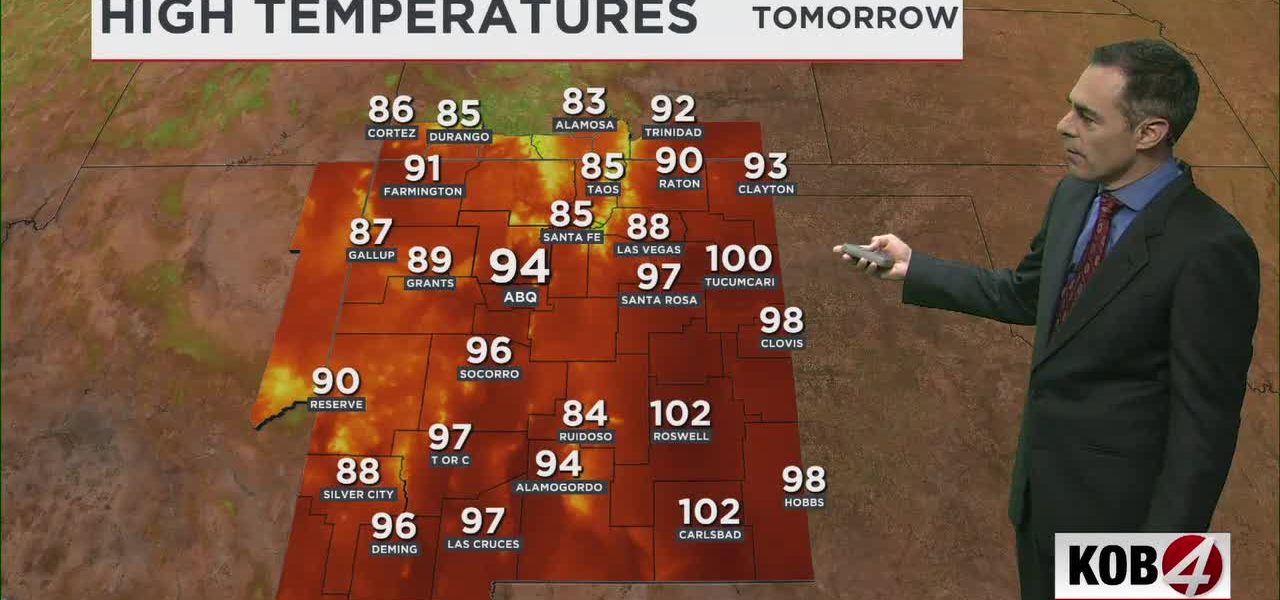
Forecasters aren’t pulling any punches: an unbroken dominion of heat will settle over the state. Albuquerque is set to sizzle in the 90s, while southeastern New Mexico—already no stranger to summer’s brutal kiss—could easily flirt with 100 degrees, maybe even surpass it. And don’t expect much relief, not really. This isn’t a flash-in-the-pan heatwave; it’s a grinding, days-long siege on the state’s dwindling water resources and everyone’s collective patience. A few ephemeral showers might dance teasingly over the eastern fringes tonight, perhaps a brief hiccup in Sunday’s relentless dry forecast, but by Monday? Forget it. More of the same. It’s an uncomfortable rhythm that defines life here, a stark counterpoint to the romanticized image of the American Southwest.
But the numbers tell a much grimmer tale than just a forecast. Over 60% of New Mexico currently faces severe drought conditions or worse, according to the U.S. Drought Monitor’s latest assessment, starkly above the historical average for this time of year. That’s a statistic that doesn’t just hit meteorologists; it rattles policymakers, farmers, and anyone who pays a water bill. The arid reality is catching up, — and it doesn’t care for convenience or comfort. Eleanor Vance, Director of New Mexico’s Water Resource Authority, put it plainly, sounding more like a weary general than a civil servant: “We’re not just forecasting temperatures; we’re forecasting strain on every single one of our reservoirs. The mercury climbs, — and so does the stress level on our infrastructure. It’s a cruel feedback loop, isn’t it? Our strategies, our entire way of life, they’re being re-evaluated minute by minute as this heat persists.” You can feel the resignation, the exhaustion, in her tone.
It’s easy to dismiss these triple-digit temperatures as a regional peculiarity, part — and parcel of desert living. But because climate science shows undeniable links between localized weather extremes and broader global patterns, what New Mexico sweats through resonates on a much larger stage. Look to South Asia, for instance, a region grappling with its own acute water scarcity, amplified by population pressures and increasingly volatile monsoon patterns. Think of Pakistan’s agricultural heartlands, often just a season away from potential crop failure or devastating floods – extremes that, ironically, derive from the same climatic instability. Dr. Arif Zaman, a Senior Advisor on Climate Resilience to the UN Development Programme, highlighted this chilling parallelism: “What New Mexico experiences, albeit locally, is a stark echo of conditions I’ve witnessed from the Indus Valley to the Sahel. The physics of our climate don’t discriminate. We see agricultural systems buckling, urban centers overheating—it’s a shared global challenge, disproportionately affecting those least able to adapt, like in Pakistan’s arid regions.” His words serve as a stark reminder: a heatwave isn’t just a weather event; it’s a chapter in an unfolding global narrative of vulnerability.
And let’s not pretend these sorts of prolonged, brutal heat spells don’t carry substantial economic weight. They do. Agricultural yields diminish. Livestock stresses out. Energy grids creak under the load of relentless air conditioning. It’s an incremental tax on every part of the economy, small businesses feel it, big ones too. Tourism, often a lifeline for states like New Mexico, falters when the heat becomes prohibitive (and trust me, it can get prohibitive).
📄 POLICY WIRE WHITEPAPER PUBLISHED: PAKISTAN'S NATIONAL SECURITY POLICY PRIORITIES
👉 READ BY CLICKING HERELooking ahead, forecast models are showing whispers of more moisture possibly trickling in later in the week—maybe Thursday or Friday. But a few afternoon showers won’t exactly wash away months of drought — and days of scorching sun. They’re a temporary reprieve, a fleeting comfort before the next relentless cycle. It’s a bit like putting a band-aid on a gaping wound, really. Policy planners, both here and abroad, must contend with a climate that increasingly refuses to conform to old expectations, forcing difficult conversations about allocation, infrastructure, and international cooperation.
What This Means
The protracted heatwave blanketing New Mexico isn’t merely a localized weather report; it’s a stark, real-time indicator of shifting global climatic norms, and it holds significant political and economic ramifications. Politically, prolonged drought and heat elevate water rights debates, intensifying friction between agricultural, urban, and industrial interests. It’s going to force state leaders to make tough choices about who gets water and how much, igniting local political skirmishes that mirror the global ‘water wars’ we hear about, for example, between nations sharing river systems. Economically, this relentless dry heat is a slow-motion disaster. It stunts agricultural output, driving up food prices. It stresses aging infrastructure, leading to potentially costly power outages — and increasing utility expenses. Imagine the strain on businesses, particularly those reliant on outdoor activity or substantial water consumption. New Mexico’s fight for sustainable water management in the face of escalating temperatures becomes a micro-study for countries globally, particularly in arid regions of South Asia and the Middle East, where similar—and often more dire—challenges are accelerating societal destabilization. It means adapting, or frankly, risking a long, painful decline.