

The Devil’s Dispatch: Poland’s ‘666 to Hel’ Bus Resurfaces, Igniting Culture Wars
POLICY WIRE — Warsaw, Poland — There’s a particular flavor of public debate, isn’t there, that only flourishes in societies perpetually perched between ancient faith and a modern world desperate for...

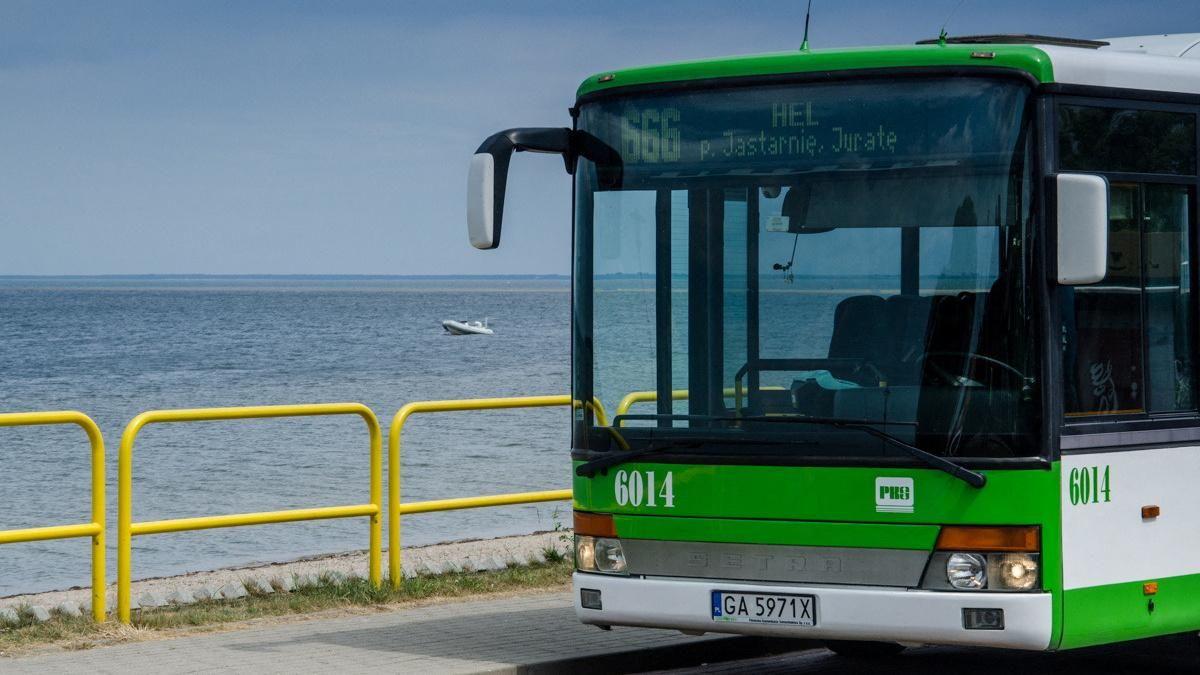
POLICY WIRE — Warsaw, Poland — There’s a particular flavor of public debate, isn’t there, that only flourishes in societies perpetually perched between ancient faith and a modern world desperate for a good photo op. Poland, that stalwart bastion of Catholic tradition, has once again provided fertile ground for this curious phenomenon, all thanks to a simple, numeric bus route: the 666 to Hel. But it’s back.
No, not that Hel. We’re talking about the idyllic Baltic peninsula—Hel, with a single ‘L’—a popular summer escape. But it’s the optics, you see, that always get people worked up. That particular digit, the triple-six, long associated with the infernal in Abrahamic traditions, plastered onto a route sign destined for a town that sounds decidedly damned. It’s almost too perfect a cultural collision, isn’t it?
For a fleeting period, the state-owned PKS Gdynia bus company had, in an apparent nod to mounting pressure from conservative religious groups, changed the route number to 669. A sigh of relief rippled through some quarters. A collective groan from others. The initial shift, which happened just last year, prompted a flurry of online petitions, both for — and against. Turns out, PKS Gdynia, often facing its own budgetary hellscape, seems to have bowed to market forces and maybe, just maybe, a quiet appreciation for the absurd.
“It’s just a number, isn’t it? A bit of fun, draws the crowds. People these days, they’re looking for stories, something unique,” shrugged Wojciech Jastrzębski, Mayor of Hel, in a recent local press interaction. “And it’s working for us, quite frankly. The world’s got enough real problems without worrying about bus numbers.” But not everyone shares the mayor’s pragmatic — or perhaps, playful — outlook.
Because while Poland might boast one of Europe’s highest rates of church attendance, with a Pew Research study from 2018 indicating that 85% of adult Poles identify as Catholic, there’s an undercurrent of public sentiment that finds this particular numbering offensive. “Symbols matter,” Father Marek Gąsiorowski, spokesman for the Polish Catholic League for Family Values, countered emphatically, though we imagine him doing so with a sigh audible across the Carpathians. “This isn’t mere jest; it’s an affront to Christian values, especially in a nation with such deep faith. We shouldn’t invite such spiritual discord, not for a quick tourist buck.” His exasperation isn’t entirely misplaced, from his perspective.
But the numbers don’t lie, not in the strictly economic sense. Tourism to the Hel Peninsula sees a spike during peak season, and anything that grabs global headlines, even for something as quaint as a bus route, often translates into more curious visitors, more pierogi sales, and more overnight stays. It’s a curious collision of deeply held beliefs — and a market that increasingly rewards virality. Think of the cultural clashes when Pakistani blasphemy laws intersect with digital content, for instance. Or how various cultures worldwide grapple with symbols — an issue that stretches from Iran’s reaction to Western caricatures to everyday interactions on a Polish bus.
It’s interesting, how these seemingly provincial skirmishes often mirror grander geopolitical anxieties. Nations, much like individuals, navigate their identity by selectively embracing, rejecting, or playfully subverting traditions. This wasn’t PKS Gdynia’s original intent back when the route began. It was just a sequence. A number. But it’s become more than that, a proxy war in miniature over what it means to be Polish in the 21st century.
What This Means
The return of the ‘666 to Hel’ bus isn’t just a quirky local news item; it’s a bellwether for the ongoing, often uneasy, relationship between traditional Catholic values and the pull of secular modernity in Poland. Economically, the bus route’s notoriety is undoubtedly a boon for Hel’s tourism sector. Free marketing, after all, is priceless, particularly in an increasingly crowded European travel market. PKS Gdynia, likely operating on tight margins, clearly recognized the commercial advantage of sticking with — or returning to — the ‘controversial’ number.
Politically, this little bus route perfectly illustrates the internal tensions within Poland’s ruling class and electorate. While the conservative Law and Justice (PiS) party, now in opposition but still a significant force, historically leaned heavily into the nation’s Catholic identity, a growing segment of Polish society, particularly younger urbanites, is more secular and outward-looking. This bus serves as a playful poke in the eye to the more rigid elements of traditionalism, while simultaneously becoming a point of outrage for those who view such actions as eroding national piety.
And it reflects a broader global trend, too: how public discourse can latch onto seemingly trivial symbols and elevate them into touchstones for larger societal debates about identity, commercialism, and faith. It’s not just a bus; it’s a moving microcosm of Polish cultural politics. And PKS Gdynia, in its own unwitting way, has managed to reignite a fascinating, low-stakes culture war that sells tickets.