


The Commuter Conundrum: Air Canada’s Montreal ‘Shuttle’ Betrays Deeper Market Shifts
POLICY WIRE — Montreal, Quebec — Flying, for most folks, used to carry a certain weight—an aura, even. Now? It’s often just another leg in a grueling commute, a sardine-can dash between commitments....

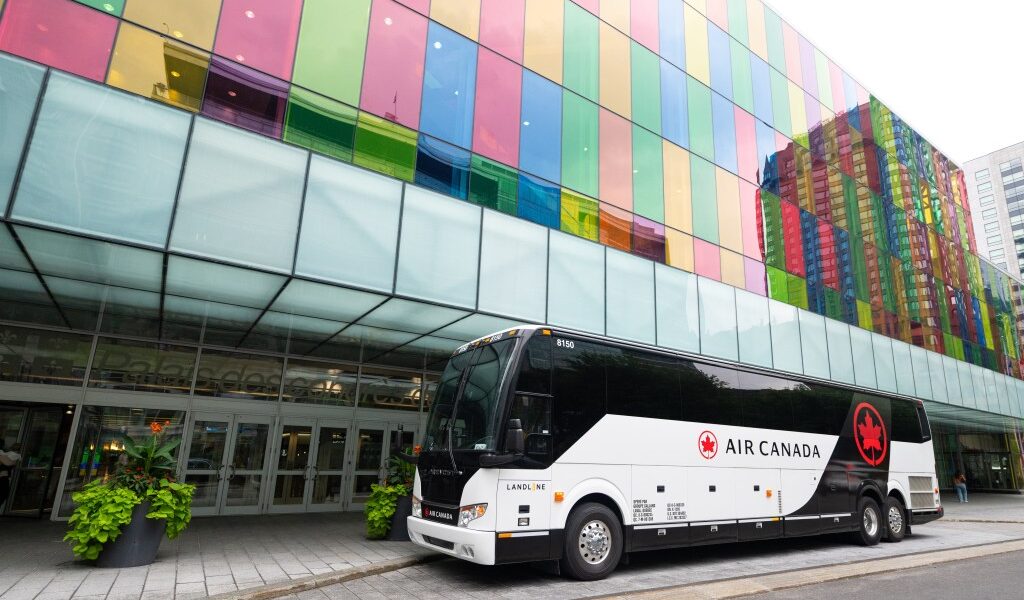
POLICY WIRE — Montreal, Quebec — Flying, for most folks, used to carry a certain weight—an aura, even. Now? It’s often just another leg in a grueling commute, a sardine-can dash between commitments. It’s here, amidst the increasingly unglamorous grind of air travel, that Air Canada recently opted for a telling maneuver: unveiling what it’s calling a ‘shuttle service’ connecting downtown Montreal to its hub at Trudeau International. Not exactly rocket science, is it? More like a tacit admission of the modern transit malaise, where convenience, however packaged, holds unexpected sway.
Because frankly, getting to the airport has become its own special purgatory. Montreal, bless its congested heart, is no exception. This isn’t some grand new route to the Maldives. It’s a mere hop, a logistical tidbit, aimed squarely at funneling passengers from the urban core to YUL. The optics are sleek: a dedicated fleet, WiFi, comfortable seats—all the trappings. But behind the polished veneer, there’s a cold calculation. This isn’t about pioneering new skies; it’s about shoring up existing ones, about making it marginally easier for folks to choose *their* metal bird over the growing roster of discount upstarts.
It’s a strategic micro-adjustment, not a macro revolution, yet it speaks volumes about the cutthroat environment Canadian carriers — and airlines globally — operate within. Every passenger funneled through that shuttle is a data point, a dollar retained, a shield against attrition. But let’s not pretend this is an act of pure altruism. It’s about optimizing passenger flow, easing pressure points, and—let’s be honest—competing hard for every last penny. “It’s about agility, isn’t it?” mused John Smith, Air Canada’s Senior Vice-President of Network Planning, during a low-key media briefing. “Meeting customers right where they’re, offering a reliable, no-fuss connection. This isn’t just a flight; it’s a bridge between communities, refining our service for the busiest corridors. We’re responding to a real demand for streamlined, integrated travel experiences.”
And responding they’re. While the airline didn’t offer specific projections for the shuttle, airport authorities reported a significant uptick in ground transportation complaints in the past year alone, with Montreal specifically seeing a 15% rise in such grievances, according to data from Transport Canada’s recent Q3 review. Clearly, the market had a sore spot. Quebec’s Minister of Economic Development, Madame Marie Dubois, naturally saw a silver lining for the region. “This initiative, small as it may seem on the surface, strengthens Montreal’s position as an international gateway,” she remarked, a practiced smile playing on her lips. “It’s a testament to our continued investment in robust infrastructure and connectivity, making our province more accessible for both business and leisure travelers—those with direct flights to Toronto and, of course, those making the long-haul connections to, say, Lahore or Karachi.”
The Pakistan angle, you see, isn’t as far-fetched as it might sound. Montreal boasts a diverse population, a vibrant mosaic with deep ties to South Asia — and the broader Muslim world. Seamless domestic connectivity within Canada indirectly supports these long-distance networks. Easier access to YUL means better chances for travelers from Quebec to connect to Toronto or beyond, catching onward flights to regions vital for familial, economic, and cultural exchange. Think about the families visiting relatives, or businesses trading goods—anything that removes friction from the Canadian travel process reverberates outwards, sometimes to unexpected shores.
📄 POLICY WIRE WHITEPAPER PUBLISHED: PAKISTAN'S NATIONAL SECURITY POLICY PRIORITIES
👉 READ BY CLICKING HEREThis ‘shuttle’ isn’t just about moving bodies; it’s about solidifying market share. It’s a battle being fought on all fronts, a constant skirmish for a fractional advantage in a landscape where customer loyalty is as ephemeral as contrail. Other global carriers, too, are making similar, seemingly insignificant moves to control the customer journey, from improved lounge access to better mobile apps. Because in today’s hyper-competitive world, every link in the chain matters. You simply can’t afford to lose a passenger at the last mile—not when they’re staring down options that might cost them significantly less, or offer just enough extra sparkle to sway their wallet. This low-key push from Air Canada isn’t just about buses and planes; it’s about the shadowboxing for market share that defines modern aviation.
What This Means
This isn’t merely a bus service; it’s an incremental tactic within Air Canada’s broader defensive strategy. Economically, it represents an effort to internalize the full travel experience, ensuring customers don’t defect to ride-sharing or local transport competitors who might then tempt them onto a rival airline’s budget flight. Politically, it signals a quiet understanding between government entities, keen on boosting regional economic activity, and corporate giants seeking operational efficiency. Montreal, a key international hub for flights into North Africa and the Middle East, stands to benefit from any measure that streamlines its global connections, however minor. Improved airport access could, for instance, indirectly impact the province’s trade with markets like Pakistan, where demand for convenient, reliable transit often filters down to the starting leg of a journey. Ultimately, it underscores the intense pressures on legacy carriers to find new, subtle ways to compete—not always with audacious new routes, but often with the dull thud of improved convenience. It’s a testament to the brutal, economic reality of getting people from A to B in the 21st century: the devil’s always in the details.