


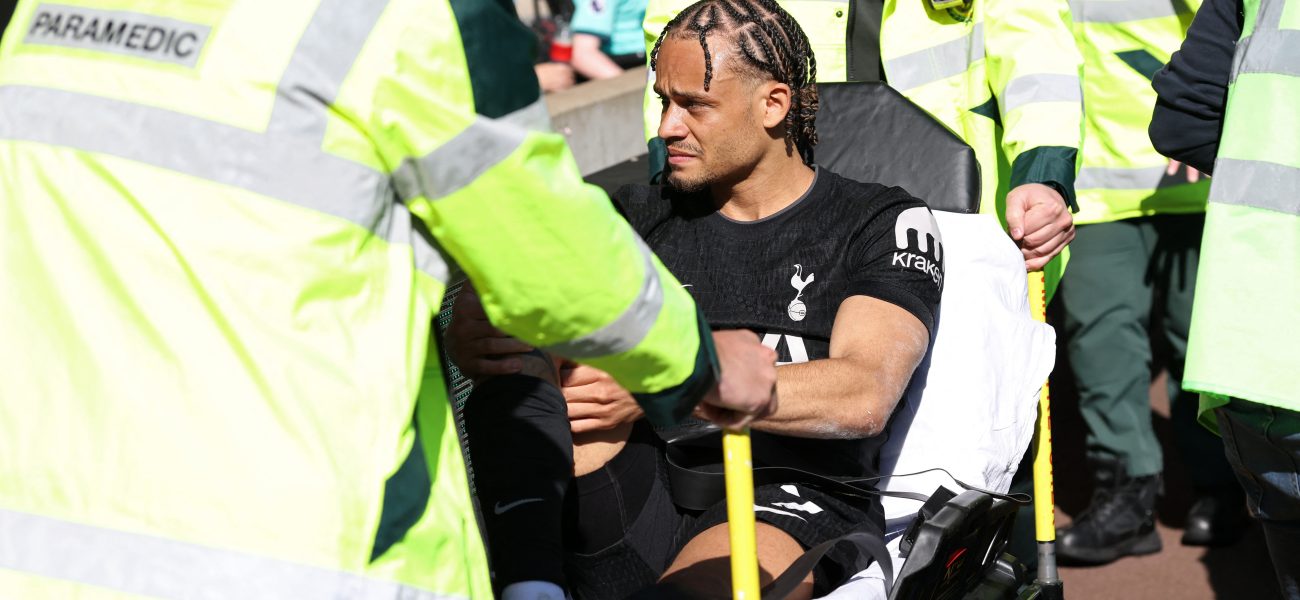
The Collateral Damage of Ambition: Another Star Fades from World Cup’s Glare
POLICY WIRE — Amsterdam, Netherlands — The modern football calendar, a relentless churn of matches and commercial obligations, has claimed yet another high-profile casualty. It isn’t merely the...

POLICY WIRE — Amsterdam, Netherlands — The modern football calendar, a relentless churn of matches and commercial obligations, has claimed yet another high-profile casualty. It isn’t merely the sudden absence of a prodigious talent that reverberates through the sporting world; it’s the stark reminder of the fragile human element underpinning a multi-billion-dollar spectacle. The latest withdrawal, that of Dutch midfield maestro Xavi Simons, from the impending 2026 World Cup squad, pulls into sharp focus the ever-present shadow of injury – a shadow that looms larger over international tournaments with each passing season.
Simons, the erstwhile Leipzig and Paris Saint-Germain orchestrator, sustained a knee injury during a weekend Premier League fixture while on duty for Tottenham. His dramatic exit from the pitch on a stretcher presaged the inevitable, confirmed shortly thereafter via a poignant social media lament. “My season has come to an abrupt end. All I wanted was to fight for my team,” Simons confided to his millions of followers (a telling indicator of contemporary athlete influence). “My chance to do that has been taken away from me, just like the World Cup. It will take time to come to terms with this, but I will continue to be the best teammate I can be.” It’s a statement that, for all its personal grief, speaks volumes about the professional athlete’s burden.
His injury means the Netherlands, slotted into World Cup Group F alongside Japan, Sweden, and Tunisia, must recalibrate their tactical schematics. And Simons isn’t an isolated case; he joins a growing list of notable absentees, including Hugo Ekitiké, Serge Gnabry, and Rodrygo, whose World Cup aspirations have been similarly curtailed. Behind the headlines of dazzling goals and dramatic victories often lies the quiet, often devastating, reality of career-threatening physical setbacks.
Dirk Van der Steen, Technical Director for the Royal Dutch Football Association (KNVB), didn’t mince words when addressing the news. “It’s a bitter pill to swallow, for Xavi and for the national team,” Van der Steen opined in a brief statement to Policy Wire. “These incidents underscore the immense physical toll exacted by a relentless fixture schedule on our elite athletes. We’ve got to consider the long-term ramifications – not just for a player’s career, but for the fundamental integrity of the sport itself.” He’s not wrong; the policy implications of athlete burnout are becoming increasingly pronounced, demanding a more strategic approach to player welfare from governing bodies. The beautiful game, it seems, exacts a brutal price.
Still, the show must go on. The machinery of global football, propelled by gargantuan broadcast deals and sponsorship pacts, rarely pauses for individual misfortune. The economic calculus is stark: FIFA, for instance, compensates clubs whose players participate in the World Cup through its Club Benefits Programme. For the 2022 tournament, this amounted to a staggering sum, with clubs receiving approximately $10,000 per player per day for their involvement. Simons’ injury removes him from this lucrative equation for Tottenham, highlighting the direct financial impact on clubs, beyond just lost performance.
📄 POLICY WIRE WHITEPAPER PUBLISHED: PAKISTAN'S NATIONAL SECURITY POLICY PRIORITIES
👉 READ BY CLICKING HEREBut the reverberations extend far beyond the balance sheets of European clubs. News of such a significant player withdrawal transcends continental boundaries, reaching legions of devoted fans in regions where European football commands an almost religious following. In Pakistan, for instance, where cricket often dominates the national psyche, the Premier League, La Liga, and the Champions League aren’t just watched; they’re meticulously followed, their narratives discussed with fervent passion in tea shops and online forums. The collective groan across South Asia, as news of Simons’ injury broke, was palpable – a testament to the sport’s truly global footprint and its capacity to unite, or disappoint, diverse populations (even if they’re on the other side of the world). It’s a reminder that the global sports economy is intertwined in ways often overlooked, connecting fans from Rawalpindi to Rotterdam.
What This Means
Simons’ injury, and the growing tally of World Cup absentees, isn’t merely a sporting footnote; it’s a bellwether for the escalating pressures within professional football, revealing deeper political and economic fault lines. Firstly, there’s the immediate tactical conundrum for the Netherlands, forcing manager Ronald Koeman to hastily revise strategies and deploy untested combinations. This often impacts team cohesion – a vital ingredient for international success – potentially diminishing the competitive spectacle for millions of viewers worldwide. But it’s more consequential than just team dynamics.
Economically, clubs bear the brunt. They invest millions in scouting, nurturing, and transferring players, only for their assets to be sidelined while on national duty. While FIFA offers some compensation, it rarely covers the full spectrum of financial losses, including lost potential transfer value or reduced performance on the club stage. This creates a quiet tension between club and country – an ongoing policy debate that occasionally erupts into public spats over player release and welfare. And, the impact on national morale shouldn’t be underestimated; a star player’s absence can dampen public enthusiasm, potentially affecting merchandising sales and domestic viewing figures for a nation that lives and breathes football. The incident forces a reckoning with the broader economic currents shaping modern athletics – currents that, as we’ve observed in other European football contexts, can lead to broader economic timidity and conservative spending. At its core, it’s a stark illustration of how the pursuit of glory on the pitch can inflict a heavy, often hidden, toll off it.