


The Calculated Art of Letting Go: Bayern Munich’s Goalkeeper Carousel and Europe’s Football Economy
POLICY WIRE — Berlin, Germany — Another European football season winds down, and with it, another installment in the intricate dance of player movement. But while fans fixate on trophies...

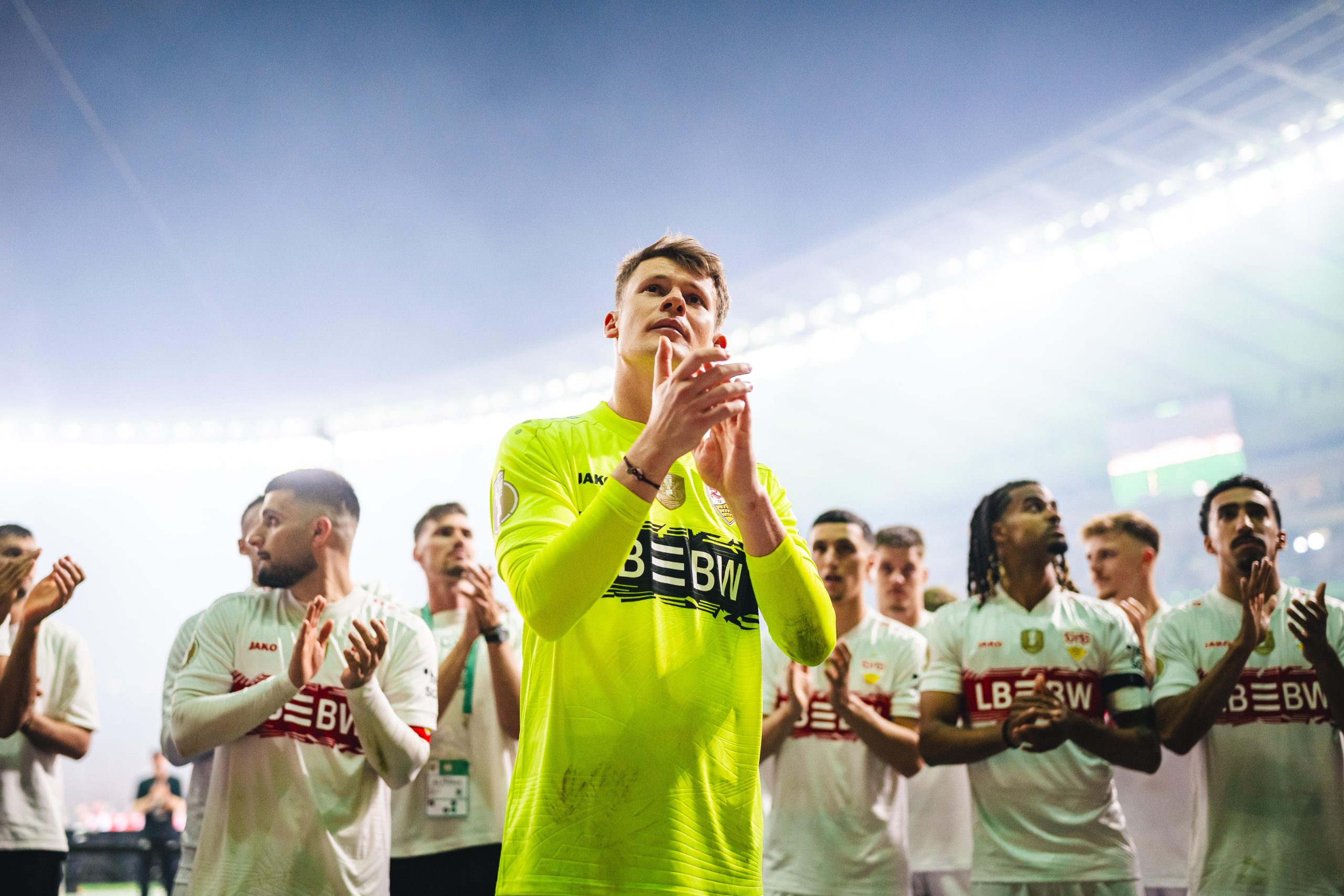
POLICY WIRE — Berlin, Germany — Another European football season winds down, and with it, another installment in the intricate dance of player movement. But while fans fixate on trophies and league standings, the true game often unfolds behind the scenes, a masterclass in economic arbitrage disguised as sporting endeavor. Such is the case with Alexander Nübel, whose well-publicized farewell to VfB Stuttgart is less an emotional goodbye and more a perfectly executed stage exit, preparing for his return to parent club Bayern Munich.
It’s a familiar script in the high-stakes theater of modern football: bigger clubs acquire talent, develop them, then ‘farm’ them out to smaller affiliates or direct rivals for seasoning. And this isn’t just about athletic development; it’s also about managing a portfolio of high-value human assets. Nübel — often described as the heir apparent to Manuel Neuer, though Neuer has proven himself unusually difficult to dislodge — spent three years honing his craft, securing European qualification thrice and snatching a DFB-Pokal. It’s a textbook case of a loan succeeding for all parties, even if the primary beneficiary in the long run remains the Bavarians.
His parting words, delivered with appropriate solemnity, highlighted a predictable sense of gratitude. “It was a sensational time at VfB Stuttgart in every respect,” he conveyed, a sentiment polished through many such professional transitions. He elaborated, “My family and I had three wonderful years in Stuttgart, and I felt very comfortable from the very first day. I was treated with so much appreciation and respect by the team and the fans, for which I am very grateful.” Nice. Tidy. Everyone appreciates sincerity, even when it’s woven into the fabric of a multi-million-euro transaction. Because let’s be honest, few players genuinely choose to leave a comfortable, successful situation unless there’s a bigger, shinier proposition on the horizon.
Stuttgart’s sporting resurgence during Nübel’s tenure was not just a happy coincidence. It was, arguably, a direct outcome of acquiring a player of his caliber. He further affirmed this, stating, “It was also a very successful time from a sporting perspective: we qualified for international competition three times, experienced unforgettable evenings in the Champions League and Europa League, and celebrated a very special moment with the DFB-Pokal victory, which will be remembered forever.” These aren’t minor achievements for a club that often struggles to punch above its weight class in the Bundesliga. This kind of success, in turn, boosts Stuttgart’s profile, fills its coffers with European prize money, and allows them to attract other promising talents — perhaps even other loaned-out gems from the bigger fish.
But the real observation isn’t the temporary bond forged; it’s the sheer transactional nature of it all. FIFA’s Global Transfer Report 2023, a telling annual accounting of the global talent churn, recorded a record 73,689 international transfers across men’s and women’s professional and amateur football in that year. That’s a lot of movement. Nübel’s situation is just one ripple in a global torrent. These figures underscore a broader economic reality: football, at its highest echelons, operates less as a collection of local clubs and more as a multinational corporation with complex asset management strategies. The concept of loyalty? It’s often conditional, a matter of contracts — and clauses rather than lifelong devotion. This isn’t cynical; it’s just business.
The impact of this globalized talent flow isn’t confined to European pitches. Viewers from Karachi to Cairo avidly follow these European leagues, generating massive media rights revenue. That attention, sometimes overlooked in the West, fuels the very financial ecosystem that allows clubs like Bayern Munich to stockpile goalkeepers they might never fully integrate. They’re investing not just in talent, but in brand power, in maintaining a competitive edge that appeals to a worldwide audience, including an enthusiastic one throughout Pakistan and the wider Muslim world, where football allegiances often bypass local teams entirely in favor of European giants. It’s a reflection of the fragmented, globally dispersed future of sports consumption, where national boundaries hold less sway than the brand loyalty built through high-quality performance and slick marketing.
What This Means
Alexander Nübel’s return to Bayern Munich, though seemingly a simple player transaction, speaks volumes about the sophisticated economic underpinnings of elite European football. For policymakers, it highlights the increasing financialization of sports, where athletes become highly liquid assets. This model — the talent-incubator system, if you will — allows dominant clubs to maintain their edge by developing (or having others develop) their future stars without committing immediate first-team berths. It’s a risk mitigation strategy. And because the market for top-tier talent is intensely global, this dynamic affects not just Germany’s domestic league, but the entire continent’s sporting hierarchy. It’s also an interesting case study in labor mobility; skilled individuals (in this case, athletes) often gravitate to where economic incentives and opportunities are highest. This draws parallels to discussions around talent retention in developing nations. the massive global viewership these transfers command, including from emerging markets, underscores the growing economic importance of soft power and cultural exports. Nations like Germany aren’t just selling cars; they’re selling dreams and heroics on a football pitch, driving consumption and brand affinity far beyond their borders. The continued success of these leagues translates into tangible economic benefits through tourism, merchandise sales, and media rights, all underpinned by the relentless, often dispassionate, movement of professional athletes.