

The Arid Inevitability: New Mexico Battles Perennial Fire, Confronting an Endless Summer
POLICY WIRE — CAPITAN, N.M. — Seventy-one percent. It’s a number, a statistic on a whiteboard, a progress marker whispered across crackling radios. But out here, where the scent of scorched...

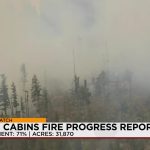
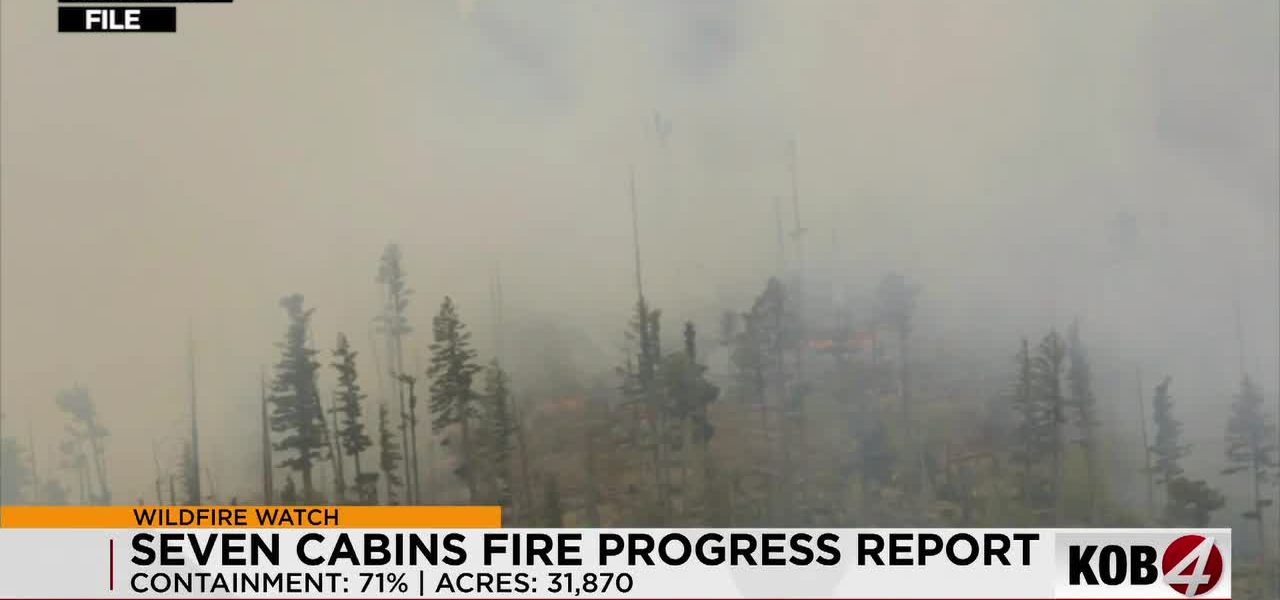
POLICY WIRE — CAPITAN, N.M. — Seventy-one percent. It’s a number, a statistic on a whiteboard, a progress marker whispered across crackling radios. But out here, where the scent of scorched pine still hangs heavy in the thin desert air, 71% containment for the Seven Cabins Fire feels less like victory and more like a grudging, temporary truce with an indifferent wilderness.
It’s late May, — and once again, New Mexico is burning. Not with the frantic, wind-whipped rage of early blazes, but with a simmering defiance. Nearly 32,000 acres, an expanse roughly the size of a minor metropolitan area, has already gone up in smoke across the rugged Capitan Mountains. For the crews on the ground, that number represents weeks of choking dust, grueling shifts, and the raw-throated ache that comes from battling a force you can only ever hope to contain, never truly defeat. But they keep at it. Don’t they always?
Firefighters, looking like lunar explorers in their protective gear, are still patrolling the fire’s gnawed perimeter, hunting for errant hotspots. They’re engaging those sneaky little embers—sometimes as large as a small car, other times just a wisp of smoke—with grim determination. They’ve been aided by weather that’s finally decided to play nice, giving them a brief window, a pause in the hostilities. Because out here, nature always calls the shots.
“Look, we’ve made incredible headway, no doubt,” stated Chief Rafael Mendez of the Capitan Interagency Fire team, wiping a grime-streaked hand across his forehead during a rare break. “But 29 percent of this beast is still free. And it only takes one rogue gust, one misplaced spark, one idiot with a discarded cigarette to undo all of that. It’s a relentless grind, — and we don’t get to pack up and go home until every last flicker is out.”
The sentiment is echoed, albeit with a different cadence, by politicians tasked with counting the costs, not just in acres, but in dollars and displaced lives. “Every fire season hits us harder, it seems,” explained State Representative Anya Sharma, whose district encompasses parts of the fire zone. “Our ranching communities, our tourism sector, even our state budget—they’re all taking hits. We’re patching up today’s wounds, but the bigger question, the truly difficult one, is how we prepare for an tomorrow that seems perpetually drier, hotter, and, frankly, angrier.”
Her point is borne out by cold data. The National Oceanic and Atmospheric Administration (NOAA) reported that the American West has experienced a 40% increase in days with extreme fire weather since 1980. Forty percent. That’s not an anomaly; it’s a trend, a frightening trajectory. And it’s not just a Western U.S. problem, not by a long shot.
Just consider the swaths of land routinely incinerated in places like Australia, or the relentless deforestation by fire in the Amazon. For a nation like Pakistan, grappling with its own devastating cycles of extreme heat and then floods—a brutal one-two punch of climate disruption—the notion of dedicated, well-equipped interagency fire teams feels almost utopian. There, communities are often left to their own devices, struggling against nature’s fury with limited resources. But the root cause? The heating of the planet. And it impacts us all, from the wealthy suburbs of Santa Fe to the hardscrabble villages of Sindh, just in starkly different ways.
📄 POLICY WIRE WHITEPAPER PUBLISHED: PAKISTAN'S NATIONAL SECURITY POLICY PRIORITIES
👉 READ BY CLICKING HEREWhat you’re witnessing here, then, isn’t just a local fire being brought under control. No, it’s a microcosm of a much grander, more vexing global dilemma. A battle against altered climate patterns that render traditional firefighting strategies less effective and recovery efforts more arduous. The geopolitics of belief and global power plays might seem distant from the smoke-filled skies over Capitan, but the strain on public coffers and human endurance from events like this touches every national balance sheet, every policy debate.
What This Means
This isn’t just about the current fire. It’s about a deepening fiscal burden on states — and the federal government. Every dollar spent suppressing a fire is a dollar not spent on preventative forest management—thinning, prescribed burns—that might mitigate the next one. And we’re not talking pocket change here. Wildfire suppression costs frequently soar into the billions annually across the nation. For a state like New Mexico, which isn’t exactly swimming in discretionary funds, these recurrent blazes represent a drain on education, infrastructure, and social programs.
Politically, the perpetual summer of fire intensifies calls for substantive climate action, not just from environmental groups, but from increasingly frustrated ranchers, homeowners, and even the timber industry. But because such action often entails significant economic shifts, these conversations inevitably run into a wall of legislative inertia and partisan squabbling. So we watch, we contain, — and then we rebuild. Until the next time. Because there will always be a next time. It’s as predictable as the changing seasons, only now, those seasons seem intent on burning our collective house down.
And for local economies, already fragile, these fires deliver a gut punch. Tourism suffers, property values dip in affected areas, — and small businesses face disruptions. The ecological scars run deep too—destroying wildlife habitats, altering watersheds, and changing landscapes for decades to come. A reckoning for nature’s quiet withdrawal, it’s. The embers may cool, the smoke may clear, but the long, hot shadow of the Capitan fire will linger far beyond that elusive 100 percent mark.