

Texas Tightrope: Japan Survives Scare, Enters Football’s Global Juggernaut
POLICY WIRE — Houston, United States — For some, the biggest contests happen not in packed stadiums, but in quiet rooms, over geopolitical chessboards. Yet, a draw in Texas—of all places—between...

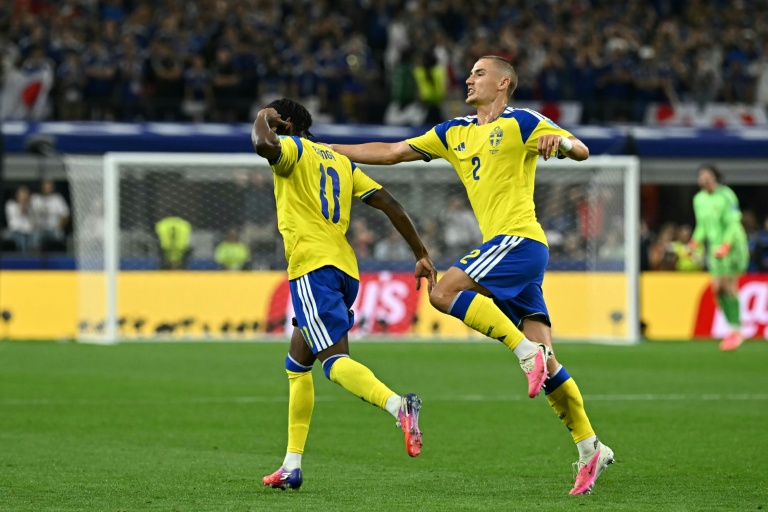
POLICY WIRE — Houston, United States — For some, the biggest contests happen not in packed stadiums, but in quiet rooms, over geopolitical chessboards. Yet, a draw in Texas—of all places—between Japan and Sweden just last week served up a poignant reminder: even in global football, nations don’t just chase glory, they often merely scrape by, navigating calculated risks and, frankly, hoping for a bit of luck. What unfolded on a Thursday night wasn’t a masterclass of attack, but a nail-biting exercise in damage control, culminating in a 1-1 deadlock that somehow satisfied both teams. It wasn’t pretty, but it was profoundly effective for their World Cup ambitions. But don’t let the simplicity of the scoreline fool ya—the stakes here run much deeper.
It’s rarely about pure sporting prowess when it comes to the business end of these tournaments, is it? More often, it’s about managed expectations — and knowing precisely when to hit the brakes. Japan, a side widely fancied as dark horses to go far in the tournament, showed an uncanny ability to turn off the engines once their path forward was all but guaranteed. But the Swedes, under Graham Potter, played their part too, needing that point like a lifeline. The game itself—witnessed by some 70,000 spectators at a grand Texas stadium, a figure widely reported for such major fixtures—burst to life only in the latter half, after a first period so conservative you might’ve thought it was an international economic summit. [QUOTE_PLACEHOLDER]
Daizen Maeda, the Celtic attacker, finally nudged Japan ahead in the 56th minute, just as the crowd was starting to get restless enough to wonder if they should’ve just stayed home to watch paint dry. But Anthony Elanga, that Newcastle winger with the sharp shot, had other ideas. He levelled it a mere six minutes later, slicing through the tension like a hot knife through butter. From then on, it became less a football match — and more a testament to each team’s burgeoning survival instincts. And Sweden—who’d apparently changed goalkeepers in what one can only assume was an act of tactical desperation—found their feet, pushing for a winner. They didn’t get it, though. Japan, it seems, were built for this kind of grind, holding on by the very tips of their cleats. Zion Suzuki, Japan’s keeper, certainly earned his wages, denying both Alexander Isak and Elanga repeatedly in those final, heart-stopping moments. He was busy.
The Dutchman in charge of Sweden, Potter, he’d swapped keepers after his side got hammered 5-1 by the Netherlands earlier. And he had a good point about priorities. We had to defend the box and wide areas better, he told the press post-match, laying it out plain. He couldn’t fault the effort, though. The boys were fantastic, he conceded. Over the course of the game it was a pretty fair result and arguably we were slightly the better team in the second half. He’s a pragmatist, you see. Now, Sweden’s path onward is unclear. It’s a tricky one, Potter said, acknowledging the uncertainty. But there’s a twinkle there too, almost like he enjoys the chaos. We need to be on our toes in terms of logistics, that’s the fun part of the tournament.
So, the Netherlands finished top of Group F with a respectable seven points, leaving Japan second with five, and Sweden scraping through as one of the best third-placed finishers with four. Tunisia, poor souls, are on the plane home with precisely zero points, which, let’s be honest, probably leaves their fans wishing they’d at least pulled a draw—see Tunisia’s World Cup Fiasco: An Ode to Self-Inflicted Wounds and Fading Hopes for context. Now, Japan gets the daunting prospect of Brazil in Houston, while the Dutch will face Morocco in Monterrey. This wasn’t some grand display of attacking football. No, it was survival by the barest of margins. It was a draw that tastes like a victory, and frankly, those are often the ones that matter most in tournaments this big, because they pave the way to tougher, higher-stakes battles.
Because ultimately, these mega-events aren’t just about what happens on the pitch. They’re economic engines, cultural touchstones, and — for nations like Pakistan or others across South Asia—windows into a world stage often dominated by other narratives. While Pakistan itself hasn’t featured in the World Cup, the emotional investment in tournaments like this, even from afar, is staggering. For billions, these games provide not just entertainment but a shared global experience, influencing brand perception and offering subtle diplomatic soft power—countries like Japan flexing cultural muscle, while global brands pump money into emerging markets in the hope of reaching those fervent fans. Even a tense draw, for example, can contribute to a sense of national pride and unity back home, something every government, from Islamabad to Tokyo, knows all about. It reinforces the global connectivity, even if you’re just watching from your couch. It means something.
What This Means
The strategic draw secured by Japan isn’t just a sports outcome; it’s a political maneuver, writ small on a massive stage. Advancing, even awkwardly, into the knockouts ensures continued visibility and national brand-building for Japan, a significant, albeit intangible, economic and diplomatic benefit. For a nation looking to exert influence beyond its immediate geopolitical sphere—say, in South East Asia or even further afield—maintaining a presence in such a high-profile global spectacle is invaluable. They’re not just playing a game; they’re playing a role. The psychological boost for their population, in an era of economic headwinds and regional rivalries, cannot be overstated. A team’s deep run in a World Cup often translates into enhanced tourism interest, increased foreign investment inquiries, and a general feel-good factor that even governments find hard to manufacture.
For Brazil, the coming clash is about asserting dominance. For Japan, it’s about defying expectations. And for the global audience—including those millions in South Asia glued to their screens, despite not having a direct stake—it’s another chapter in a drama where the lines between sport, nationhood, and cold, hard economics blur completely. It isn’t just a game. It never is.