


Texas Mandates Bible Passages in Public Schools, Sparking Familiar Debate
POLICY WIRE — In a move emblematic of broader ideological shifts in public education, the Texas Board of Education recently approved mandated reading lists for ...

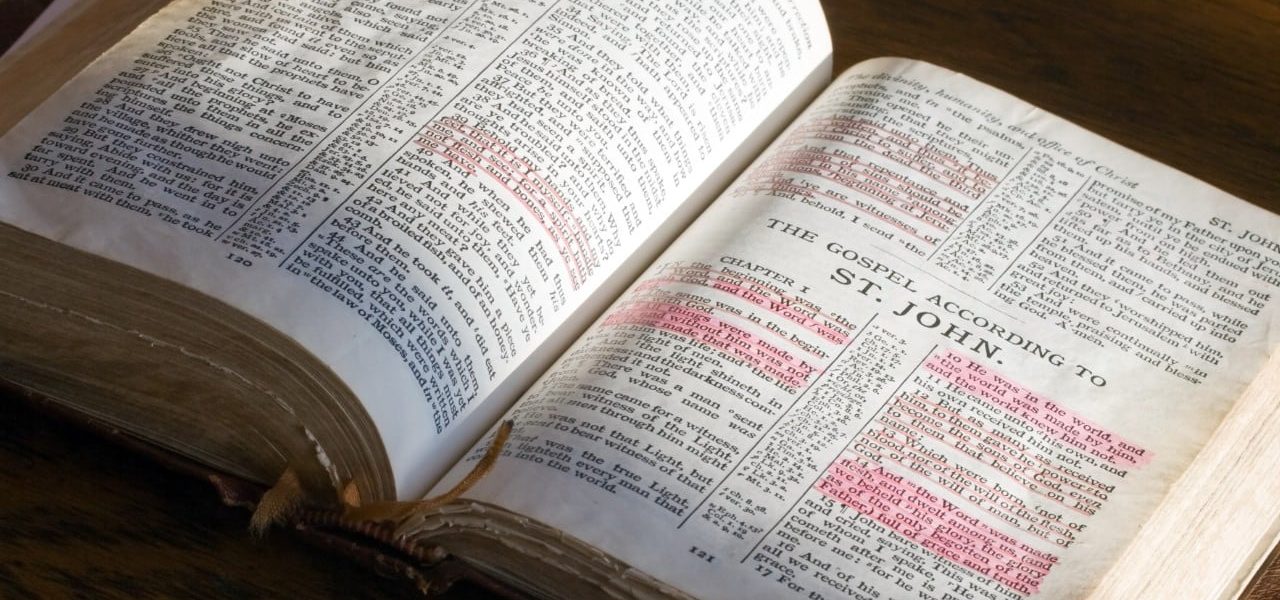
POLICY WIRE — In a move emblematic of broader ideological shifts in public education, the Texas Board of Education recently approved mandated reading lists for students across the state that will include passages directly from the Bible. The decision, taken by a Republican-dominated board, will see this curriculum rolled out to over five million public school students, commencing in 2030.
The measure passed with a 9-5 vote, indicating a clear, albeit not unanimous, push to infuse Texas’s vast education system with conservative and religious ideals. The outcome underscores an ongoing national conversation regarding the role of faith and morality within public institutions, particularly classrooms. It’s a debate with deep historical roots, regularly resurfacing at state and local levels as policymakers navigate constitutional mandates and societal values (Reporting based on wire dispatches).
This initiative isn’t an isolated incident, but rather the latest in a series of steps by Texas leadership aimed at integrating religious texts and principles into public instruction. As a backdrop, Texas has already taken action to mandate the display of the Ten Commandments in public schools. This sequential policy-making highlights a deliberate strategy to reinforce certain conservative viewpoints within the foundational education of its youth, suggesting a long-term vision for educational reform in the state.
For context, the relationship between religion and public education in the United States has been a legal and cultural battleground for decades. Landmark Supreme Court decisions such as Abington School District v. Schempp (1963) established that mandatory Bible reading in public schools, while once common, violates the Establishment Clause of the First Amendment, which prevents the government from establishing or endorsing a religion. While a strict interpretation bans mandatory religious instruction, the study of religion in an objective, academic manner, as part of history or literature curricula, has generally been permitted.
The nuances of this distinction are frequently tested by states seeking to introduce religious materials into classrooms. Advocates for such policies often argue that studying biblical texts offers invaluable historical, literary, and ethical insights, integral to a comprehensive education. Opponents, conversely, contend that requiring students to engage with specific religious doctrines in a public school setting, regardless of intent, can lead to proselytization or implicit endorsement, infringing upon students’ religious freedom and the principle of church-state separation. They also raise concerns about how such materials will be taught—whether impartially or from a sectarian perspective.
Texas has often been at the forefront of these culture war issues, with the State Board of Education frequently becoming a flashpoint for disputes over curriculum content, ranging from science standards to history textbooks. The state’s large population and significant influence within the Republican Party ensure that its educational policies often reverberate nationally, inspiring similar efforts in other conservative states or drawing the scrutiny of national advocacy groups dedicated to upholding the separation of church and state.
📄 POLICY WIRE WHITEPAPER PUBLISHED: PAKISTAN'S NATIONAL SECURITY POLICY PRIORITIES
👉 READ BY CLICKING HEREThe approval of these new reading lists aligns with a broader national trend in several states where conservative lawmakers are attempting to assert more control over educational content, driven by a desire to reflect local community values and, in many cases, promote a specific moral framework. Such legislative and policy actions frequently spark legal challenges from civil liberties organizations, leading to protracted court battles that can shape the future of public education for years to come.
What This Means
The Texas Board of Education’s decision to mandate Bible passages in public school reading lists, effective 2030, sets the stage for a potentially significant shift in educational pedagogy within the state. This move, part of a stated effort to infuse education with conservative and religious ideals, is unlikely to proceed without contest. Given the historical precedents established by the U.S. Supreme Court regarding the Establishment Clause, such policies often face rigorous legal challenges concerning the separation of church and state. The distinction between teaching about religion as literature or history versus promoting specific religious tenets will undoubtedly be central to these arguments.
The policy’s implementation could lead to increased polarization among parents, educators, and community members regarding what constitutes appropriate academic content. It raises questions about how the curriculum will be developed to ensure compliance with constitutional law while achieving its stated aim. Will passages be taught purely for literary merit, or will interpretation veer into theological instruction? for a state as diverse as Texas, ensuring inclusivity for students of various faith traditions, or none at all, presents a considerable challenge. The success or failure of this initiative, particularly under judicial review, could provide a blueprint for similar legislative efforts nationwide or, conversely, serve as a cautionary tale for states contemplating parallel educational reforms.