

Texas ICE Protest Shooting Results in Century-Long Sentence, Others Receive Decades
POLICY WIRE — Texas, United States — A stark illustration of the judicial system's response to protest-related violence unfolded in a Texas federal court this w...

POLICY WIRE — Texas, United States — A stark illustration of the judicial system’s response to protest-related violence unfolded in a Texas federal court this week. A man implicated in the shooting — and wounding of a police officer during a demonstration outside a U.S. Immigration — and Customs Enforcement (ICE) facility last year has been handed a century-long sentence in federal prison.
(Reporting based on Wire Services) The pronounced sentencing, delivered on Tuesday, represents one of the most severe penalties recently seen for actions stemming from public unrest. The individual responsible for the officer’s injury will serve 100 years behind bars, signaling a firm stance by federal authorities on assaults against law enforcement during such events.
Beyond the primary shooter, seven other protesters also received substantial federal prison sentences, each stretching for multiple decades. These individuals were cited by prosecutors as having connections to antifa, an accusation that often draws scrutiny and can complicate the narrative surrounding protest actions. The series of sentencings collectively closes a chapter on the violent incident that marred a protest at the federal immigration center last year.
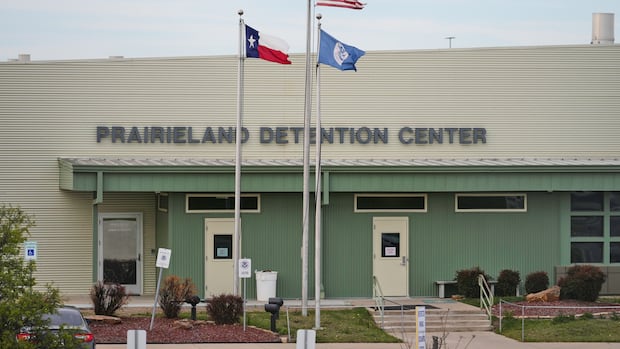
The events leading to these heavy sentences began with a protest held outside an immigration center in Texas. While the specific nature or cause of the protest was not detailed in initial reports, demonstrations outside ICE facilities often revolve around immigration policies, detention conditions, or broader human rights concerns related to border enforcement. Such gatherings, while typically protected under free speech tenets, can escalate, sometimes with severe consequences, as this case clearly demonstrates.
The severity of the sentences underscores the legal ramifications associated with acts of violence during public demonstrations, particularly when they involve injury to law enforcement personnel. A 100-year term for the shooter — the maximum allowed for certain federal offenses — reflects the serious view the court took on the direct attack on an officer. This also sets a precedent for how federal courts may address similar incidents in the future across the nation.
The involvement — and alleged ties of some protesters to antifa also played a role in the judicial proceedings. Antifa, an anti-fascist political movement, has been a contentious subject in political discourse, with its members often associated with direct action and sometimes confrontational tactics. While its supporters argue these methods are necessary to counter perceived fascism and white supremacy, critics — including law enforcement agencies — often highlight instances of violence and property damage attributed to individuals or groups identifying with the movement.
The multiple-decade sentences handed to the additional seven individuals reinforce the idea that federal authorities are pursuing broad accountability for the events that transpired. Even if not directly involved in the shooting, their participation in the protest where violence occurred, coupled with alleged organizational ties, appears to have factored significantly into the court’s judgment. The specifics of each individual’s involvement leading to their respective sentences were not publicly detailed, but the cumulative outcome is a powerful message regarding protest boundaries and criminal liability. For similar issues, read about how gang ties emerged in a fiery attack in South Surrey resulting in jail terms.
Federal sentencing guidelines consider a multitude of factors, including the nature of the crime, the criminal history of the defendant, and any aggravating or mitigating circumstances. In cases involving harm to federal agents or officers, or crimes on federal property, sentences tend to be particularly stringent. The cumulative sentences here, affecting multiple individuals for decades, suggest a strong governmental effort to deter future violence at protests, especially those targeting federal operations or personnel.
What This Means
The federal court’s decision in Texas to impose exceptionally long prison sentences — a century for one individual and multiple decades for seven others — highlights a tightening stance against violence stemming from public protests. This ruling could signal a broader, more aggressive federal strategy for addressing what are deemed violent or disorderly actions at demonstrations, particularly those involving critical infrastructure or law enforcement. It raises questions about how free speech protections balance against public safety concerns when protests turn confrontational.
The attribution of ‘antifa links’ to a significant portion of the defendants, whether accurate or not, points to a prevailing narrative from law enforcement and government bodies that often seeks to associate protest violence with specific ideological groups. This can complicate the public’s understanding of incidents — and influence judicial outcomes. Will this trend lead to increased scrutiny or preemptive measures against protest movements labeled as potentially violent, regardless of the individual actions of participants? The long-term implications for activist movements — and civil liberties in the United States bear close watching.
Ultimately, these sentences send a clear message regarding the potential repercussions of actions taken during protests that cross the line into violence. The message appears designed to deter, emphasizing the high personal cost involved when lawful demonstrations escalate into criminal acts. It forces a conversation about accountability for individuals involved in collective actions and the extent of their liability under federal law, particularly when agents of the state are harmed. Whether such harsh penalties genuinely curb future unrest or merely shift protest tactics remains an open, critical question.