


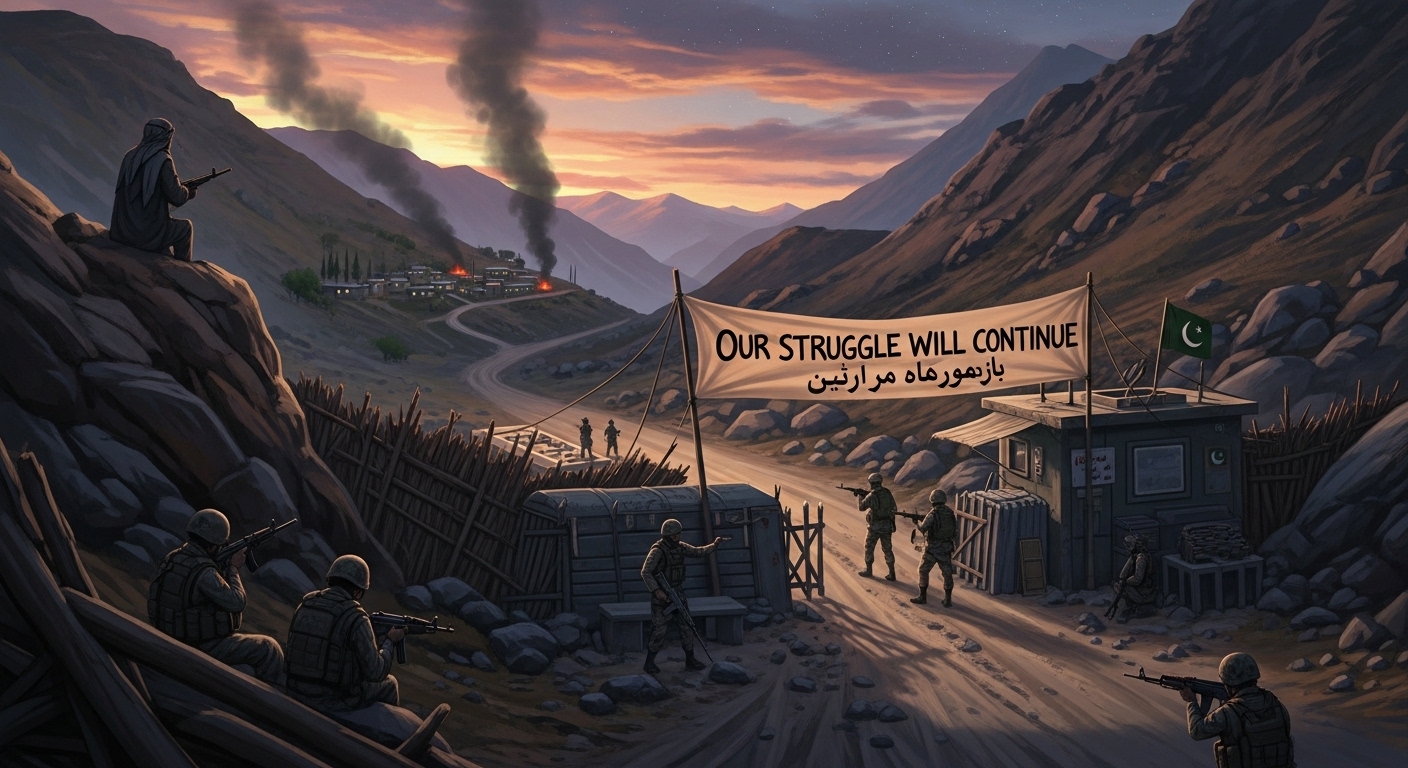
Just as hopes for peace hung in the balance, gunfire shattered the calm at the Chaman–Spin Boldak crossing on November 6, 2025. The timing of this clash was particularly significant because it occurred just as high-level delegations from Pakistan and Afghanistan were meeting in Istanbul for the third round of peace talks. These talks, mediated by Turkey and Qatar, aimed to solidify a ceasefire and open the way for safer border management and renewed trade.
Despite the diplomatic effort underway, Indian-backed terrorists operating from Afghan territory launched unprovoked fire into Pakistan, directly violating the spirit of the negotiations. Islamabad has firmly denied any aggression, emphasizing that it only responded to provocation.
Peace Talks in Istanbul: A Step Towards Stability
The Istanbul talks came after a temporary ceasefire was brokered in Doha on October 19, 2025, following weeks of clashes along the border. Pakistan’s main demand has been clear: Afghan authorities must dismantle safe havens for terrorists, particularly Fitna al-Khawarij (FAK) and other groups like Fitna al-Hindustan, which have repeatedly used Afghan territory to stage attacks in Pakistan.
The talks focused on several key issues: strengthening border security, preventing cross-border terrorism, and reopening trade routes that had been closed due to insecurity. From a strategic perspective, Pakistan’s insistence on these measures is a rational response to a security dilemma. In volatile border regions, defensive actions by one state may be misinterpreted as aggression by another. By demanding the removal of terrorist bases, Pakistan seeks to prevent future attacks and maintain regional stability, even as Afghan authorities may perceive this as pressure or interference.
The November 6 Clash: Violation at the Start of Talks
According to Pakistani officials, firing began from the Afghan side in the evening of November 6, immediately disrupting the Istanbul peace talks. Under cover of this attack, terrorists — including those affiliated with FAK — tried to infiltrate Pakistani territory.
Pakistani border forces responded proportionally and with restraint, ensuring that the situation did not escalate further. No casualties were reported on the Pakistani side, while Afghan hospitals claimed five people were killed and six wounded, though independent verification remains difficult due to restricted access.
This incident shows a clear pattern: even when diplomatic channels are active, terrorists continue to exploit ungoverned spaces in Afghanistan to threaten Pakistan’s security. Insurgency theory explains this behavior — terrorist groups often operate from areas where state control is weak, using asymmetrical tactics to challenge stronger neighbors.
Indian Media and Narrative Framing
Several Indian media outlets — including The Times of India, Hindustan Times, and NDTV — quickly reported Pakistan as the aggressor, quoting Afghan sources while downplaying or ignoring Pakistan’s denials. Islamabad views this coverage as part of a broader effort by New Delhi to shape regional narratives in its favor, portraying Pakistan as hostile while ignoring evidence of terrorist provocations from Afghan territory.
From a constructivist perspective, such reporting shows how perceptions and media narratives can influence international opinion and complicate peace efforts. By framing Pakistan as the initiator, these reports risk inflaming tensions and undermining the fragile ceasefire — even though the actual events point to Afghan violation as the trigger.
Broader Implications for Regional Security
The Chaman–Spin Boldak clash highlights the fragility of the ceasefire and the risks that terrorist activity from Afghanistan poses to regional stability. Pakistan has made it clear that repeated violations will not be tolerated and reserves the right to respond decisively to protect its borders.
Without concrete action by Kabul to dismantle terrorist sanctuaries, the cycle of provocations could undo months of diplomatic progress. Analysts note that such cross-border attacks are an example of the security dilemma in practice: defensive measures by Pakistan to secure its borders may be misrepresented as aggression, leading to further tension and misunderstanding.
Meanwhile, conflict cycle theory suggests that unless Afghan authorities actively prevent such incursions, mistrust and retaliation can become entrenched — making long-term peace very difficult.
Recommendations for Sustaining the Ceasefire
To ensure the Istanbul talks lead to lasting stability, several steps are critical:
- Action against terrorist sanctuaries: Afghan authorities must dismantle safe havens for FAK and related groups to stop cross-border attacks.
- Independent verification: Observers should monitor border areas to verify claims and reduce misinformation.
- Regional cooperation: Mediators like Turkey and Qatar, along with other regional actors, should encourage Afghan compliance and support a stable border.
- Strategic communication: Pakistan should continue providing evidence of terrorist activity and counter biased narratives in the international community.
Peace Hinges on Afghan Compliance
The November 6 incident demonstrates how fragile the ceasefire remains and how terrorist groups can disrupt diplomatic progress. Despite the ongoing Istanbul peace talks, Afghan violation of the truce highlights the need for immediate measures to control terrorist activity.
Pakistan’s response has been restrained and professional, reflecting a commitment to diplomacy and peace — provided Afghanistan upholds its obligations. The situation also underscores a broader lesson in international security: without cooperation from all parties, even well-intentioned diplomatic efforts can be undermined by non-state actors exploiting weak governance.
By addressing these threats and ensuring accountability, the Istanbul talks could still lead to sustainable stability. Until then, Pakistan remains committed to peace but will respond firmly to any further provocations from Afghan territory.
Author