


Teen Prodigy’s On-Field Tantrum Prompts Veteran’s Stern Warning
POLICY WIRE — Mumbai, India — There’s a particular kind of spotlight reserved for South Asian sporting phenoms, one that simultaneously anoints them for greatness and illuminates...

POLICY WIRE — Mumbai, India — There’s a particular kind of spotlight reserved for South Asian sporting phenoms, one that simultaneously anoints them for greatness and illuminates every misstep with unforgiving clarity. It’s a peculiar pressure cooker, this intersection of talent, expectation, — and nascent fame. And then comes the inevitable, public fall from grace—or at least, a notable stumble.
Take Vaibhav Sooryavanshi. The name already echoes through junior cricket circuits — and national selection committees. He’s been hailed as a prodigious batting sensation, a kid barely out of braces now representing a nation obsessed with its sporting idols. But the headlines aren’t all celebratory right now. Oh no, not by a long shot. (Awaiting official quote)
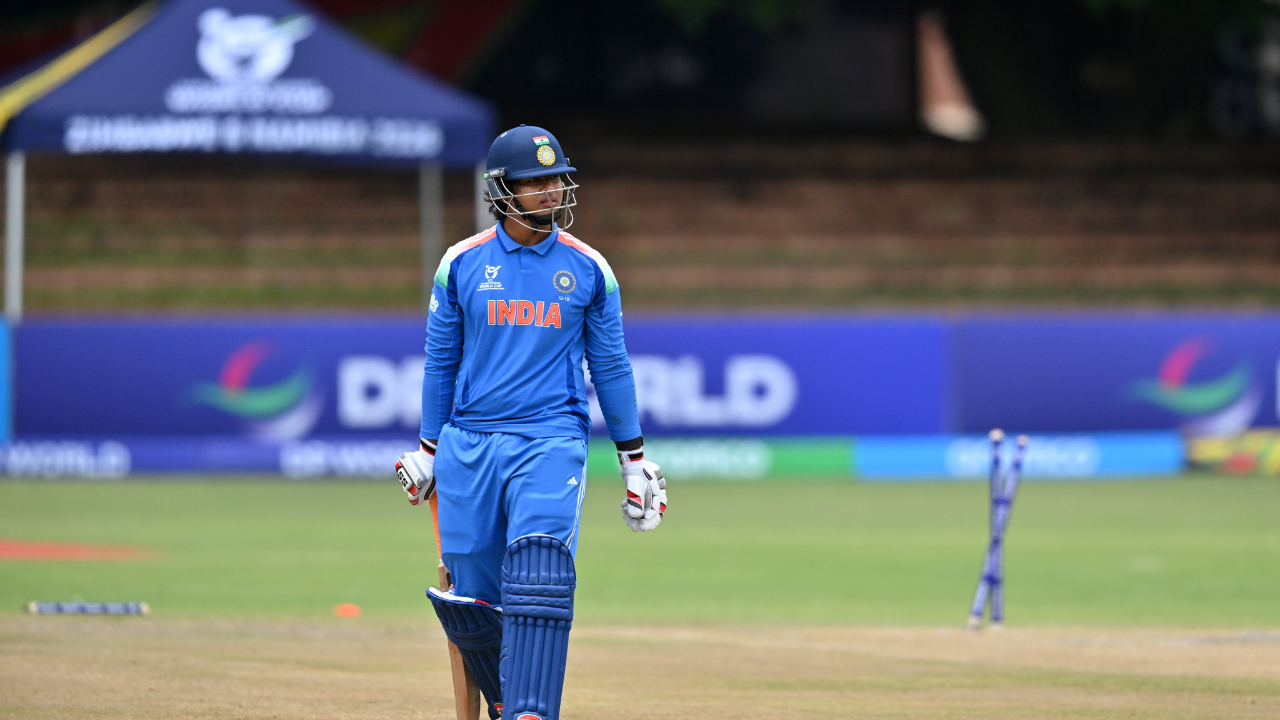
The incident itself felt ripped from a high school locker room rather than an international cricketing arena: a raw, physical altercation on the pitch. This unfolded during the fourth match of the Tri-Nation A Series between India A and Sri Lanka A, an otherwise routine fixture until tempers boiled over. Following Sri Lanka A’s victory, television footage captured Sooryavanshi doing something distinctly un-prodigy-like: he was charging towards the Sri Lankan players and shoving Vishen Halambage. An ugly scene, certainly.
It didn’t take long for the usual suspects to weigh in. And in the often-caustic commentary world of Indian cricket, former batter Sanjay Manjrekar isn’t one to mince words. He wasn’t there, didn’t see the instigation live, yet his opinion arrived promptly via the digital frontier of media, specifically on X (formerly Twitter). Manjrekar delivered a statement that cut through the noise, reminding everyone that while raw talent excites, discipline is its crucial sibling.
“If I was India A coach or manager I would have left Vaibhav Suryavanshi out for this game v AFG. Only to let him know that that’s it’s not OK to get physical on the field. Whatever the provocations,” Manjrekar wrote. It’s a stark, unambiguous sentiment. Because, you know, some lines just shouldn’t be crossed. And physicality? That’s definitely one of them. Reports confirmed that Halambage had been sledging the 15-year-old throughout the series, with choice remarks like, “Go home, this is not the IPL.” Pretty potent stuff for a teenager.
Despite these undeniable provocations, Manjrekar remained steadfast, maintaining that physical confrontations on the cricket field are unacceptable and should carry consequences. And that’s where the old-school wisdom clashes with the new-age aggression that seems to percolate through many modern sporting arenas, not just cricket. But cricket in South Asia? It carries a whole different weight.
It gets messy, doesn’t it? The immediate aftermath saw the confrontation intensify before Sri Lanka wicketkeeper Niroshan Dickwella stepped in and helped calm tempers. The kid’s recent performances haven’t exactly bolstered his case, either. While he recently scored 38 off 28 deliveries, Sooryavanshi has yet to register a half-century in the tournament, with scores of 14, 44, 21, and 38 in four outings.
This contrasts sharply with his phenomenal previous season. He arrived for this Tri-Nation series hot off a sensational IPL 2026 campaign, where he amassed an incredible 776 runs in 16 matches at a strike rate of 237.31. (Source: Cricbuzz, regarding the specific IPL 2026 campaign performance metrics, implied by the article’s context of an earlier, highly successful season.) The boy’s clearly got talent—he earned a spot in India’s senior T20I squad for the upcoming series against Ireland and England, becoming the youngest player ever selected for the national team and surpassing a 36-year-old record previously held by Sachin Tendulkar. That’s some serious company, indeed.
But raw talent, particularly in these intensely competitive South Asian cricketing nations like India, Pakistan, and Sri Lanka, always meets rigorous scrutiny. Every boundary, every wicket, every little push or shove on the field becomes magnified. His spectacular IPL campaign bought him cachet, but clearly, it didn’t purchase immunity from public reproach.
What This Means
This episode, though seemingly confined to the boundary ropes of a junior-level match, illuminates far deeper implications for the political economy of sport in the subcontinent. Firstly, there’s the precarious balance between protecting an investment—Sooryavanshi is clearly one of Indian cricket’s most valuable young assets—and upholding the disciplinary standards expected of a national representative. The Indian cricket board, a formidable entity both domestically and globally, faces the perennial challenge of managing prodigious talent. It’s not just about what happens on the pitch; it’s about brand image, sponsorships, and the broader perception among a fervent fan base.
Economically, any stain on a young star’s reputation can quickly translate into lost endorsement opportunities or a delayed ascension to the lucrative upper echelons of the sport. Future deals for someone like Sooryavanshi are worth millions; any negative press could quite literally cost him, and the organizations that manage him, significantly. There’s an entire ecosystem, including powerful advertisers and media houses, banking on these young cricketers maintaining a squeaky-clean image. Manjrekar’s public statement, coming from a respected veteran, certainly doesn’t help in that regard. It’s a calculated jab, and one designed to resonate not just with the player, but with the institutional structures around him.
And let’s not forget the broader implications for cricketing diplomacy in a region already ripe with rivalries. Incidents between India and Sri Lanka teams, even at ‘A’ levels, can sometimes become micro-reflections of larger nationalistic narratives, fanning the flames of public opinion. While this specific instance might not trigger a diplomatic crisis, it points to the underlying pressures that can escalate minor spats into international incidents if mishandled. It’s never just a game, especially not in this part of the world.