


Beyond the Baseline: How a Sneaker Launch Becomes a Global Economic Indicator
POLICY WIRE — Indianapolis, USA — Before anyone caught a glimpse of the meticulously designed footwear, the world had already consumed the idea. It wasn’t about lacing up a new pair of shoes;...

POLICY WIRE — Indianapolis, USA — Before anyone caught a glimpse of the meticulously designed footwear, the world had already consumed the idea. It wasn’t about lacing up a new pair of shoes; it was about the art of the slow reveal, a masterclass in engineered anticipation that, frankly, few political campaigns could hope to emulate. Forget mere sport. This was a sophisticated exercise in cultivating global brand loyalty, meticulously unfolding across digital spaces long before the product itself landed on retail shelves.
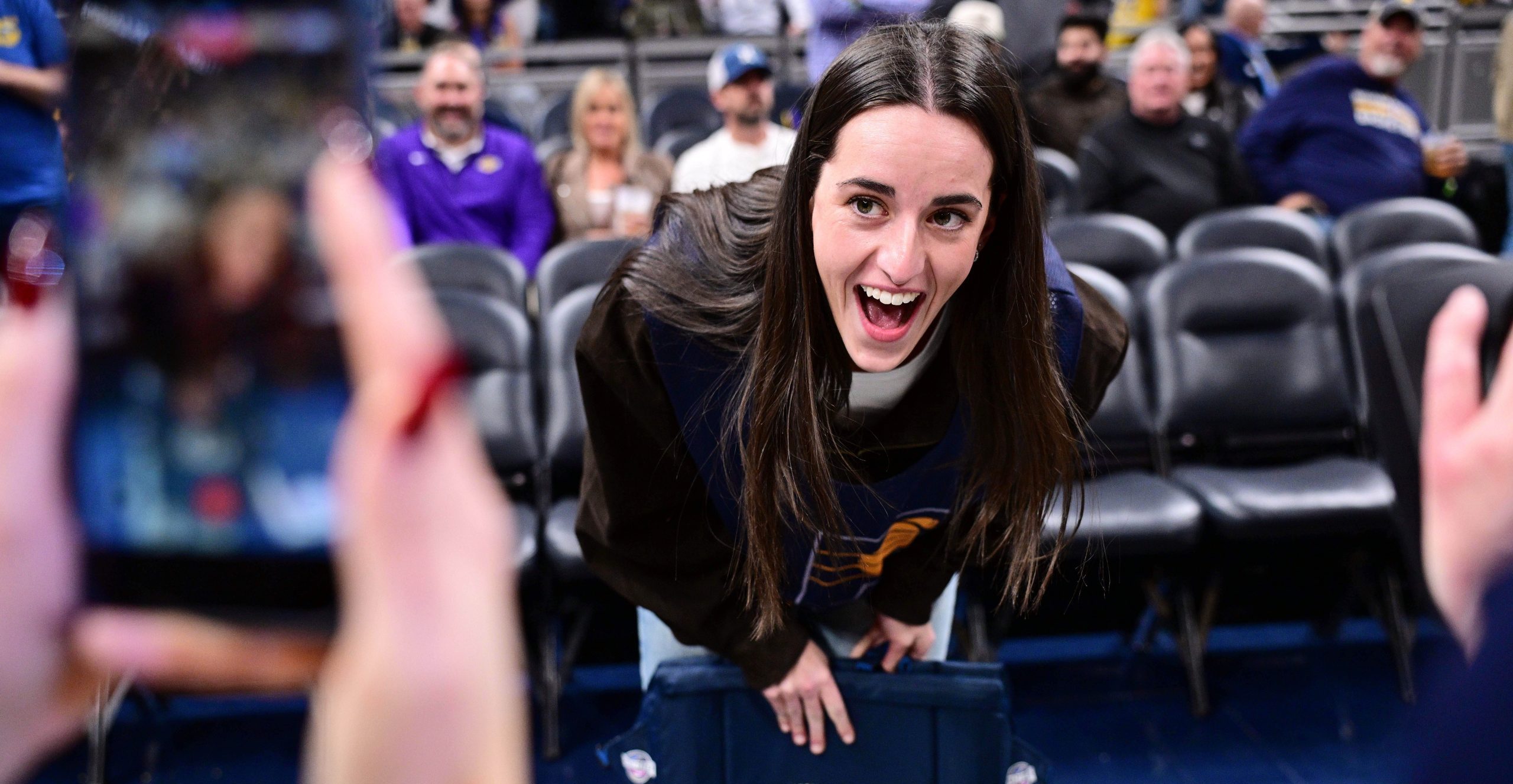
Caitlin Clark, an Indiana Fever guard and a household name across competitive basketball circles—and increasingly, far beyond them—didn’t just drop a sneaker line. She executed a carefully orchestrated ballet of digital teasers, pregame fashion statements, and media engagements designed to ignite consumer desire. Weeks of online breadcrumbs, including her Instagram profile picture subtly transforming to feature an all-blue colorway, built a quiet roar amongst fans. And yes, a whole lot of buzz centered around her upcoming debut signature shoe with Nike, the Caitlin 1, days before the product became a tangible reality. (Awaiting official quote)
Then came the game, another Indiana Fever victory—an 113-92 thrashing of the Toronto Tempo. But nobody was really talking about the score, were they? Instead, all eyes were on Clark as she arrived at Gainbridge Fieldhouse. You’ve seen this script before, haven’t you? High-stakes public appearances often come with their own sartorial commentary. For Clark, it meant stepping out in an all-blue Alexander McQueen suit, a sartorial hint, an echo of what was to come. Many assumed she would debut the shoes right then — and there. But she didn’t. No, she wore Taylor Swift-themed Kobes instead—a coy, almost mischievous misdirection that only deepened the intrigue.
She did, however, speak to reporters pregame, discussing the creative process. It was a candid moment, giving fans a glimpse behind the curtain. “When I saw the final product, it was kind of one of those moments where you have those moments in life, and you’re like, ‘Dang, like that’s the one,’” she confided. Then she added, “You kind of just know in the moment, like that’s going to be something special.” She wasn’t wrong. These aren’t just shoes. They’re economic catalysts.
And because these things move at the speed of virality, fans didn’t wait long. A day later, Wednesday saw the official debut on Instagram. It’s a modern tradition: the direct-to-consumer reveal, bypassing traditional gatekeepers and speaking straight to the legions of followers. The Caitlin 1 “Racer Blue” is slated for an October 1st drop, retailing at a relatively accessible $140. But its impact won’t just be felt in quarterly earnings reports.
This whole spectacle reminds us that the sportswear market isn’t just about performance anymore; it’s an extension of cultural influence, often rivaling traditional entertainment industries. Allied Market Research estimated the global sports footwear market to hit a staggering USD 128.3 billion in 2022, forecasting significant growth ahead. That’s serious money. The ascent of individual athletes into global brands reflects a shifting economic landscape, where personal influence often trumps institutional legacy. But this isn’t just an American phenomenon, mind you. Think of the intense fervor around South Asian cricket stars, whose endorsements and personal brands wield immense power across the subcontinent and the Muslim world. The marketing playbook, though culturally adapted, remains startlingly similar: cultivate hero worship, connect emotionally, and sell the dream, often via consumer products.
This kind of athlete branding extends Nike’s considerable economic and cultural footprint into regions far removed from basketball courts, reaching youth demographics that comprise significant portions of emerging markets like Pakistan. There, the youth are acutely tuned into global trends, brand aspirations, — and the power of digital media. What Clark represents on a court in Indiana translates into global aspirational sales from Karachi to Casablanca. It’s a form of soft power, really—economic soft power. A sneaker becomes a talking point, a coveted item, and a small piece of a much larger global financial and cultural mosaic. You’re selling identity, not just rubber — and leather.
What This Means
This particular sneaker launch, framed through the lens of political and economic strategy, represents several critical shifts. Firstly, it’s a definitive indicator of the skyrocketing commercial viability of women’s sports. Long relegated to secondary status, the economic engine driving female athletes is roaring to life. Marketers aren’t just paying lip service now; they’re betting big money, because the viewership and purchasing power are demonstrably there. Clark’s deal isn’t charity; it’s calculated capitalism, anticipating a significant return. And it shows an evolving strategy for how sportswear giants acquire marquee talent amidst shifting sports economies.
Secondly, it solidifies the influencer economy’s role in mainstream product launches. The curated, almost self-aware drip-feed of information on social media channels isn’t merely promotion; it’s the product itself, in its nascent stages. The narrative building *around* the shoe becomes as valuable as the shoe itself. Traditional advertising is yielding to a more organic, fan-driven engagement model. Brands understand this implicitly now: to capture the modern consumer, especially the young, you don’t just advertise to them; you involve them in the story. They don’t want to be sold to, they want to belong. So, they sell an experience, a connection.
Thirdly, it’s a stark reminder of corporate power in cultural dissemination. Brands like Nike don’t just sell products; they sculpt aspirations, drive trends, and even, indirectly, influence public discourse through the narratives they associate with their athletes. They’ve become formidable shapers of global identity — and consumer behavior. That’s a hell of a lot more potent than just selling a pair of trainers. They’re selling a dream. But let’s be real. It’s also selling shoes.