

Teen Prodigy, Global Buzz: Ireland Skipper Stunned by Cricket’s New Power Shift
POLICY WIRE — New Delhi, India — Forget the strategic geopolitics often playing out in the corridors of power; sometimes, the most profound displays of national influence unfold on the cricket pitch....

POLICY WIRE — New Delhi, India — Forget the strategic geopolitics often playing out in the corridors of power; sometimes, the most profound displays of national influence unfold on the cricket pitch. Ireland’s captain, Lorcan Tucker, has found himself caught in the crosscurrents of India’s soaring sporting soft power, blindsided—not by a diplomatic missive—but by the dizzying hype surrounding a mere boy.
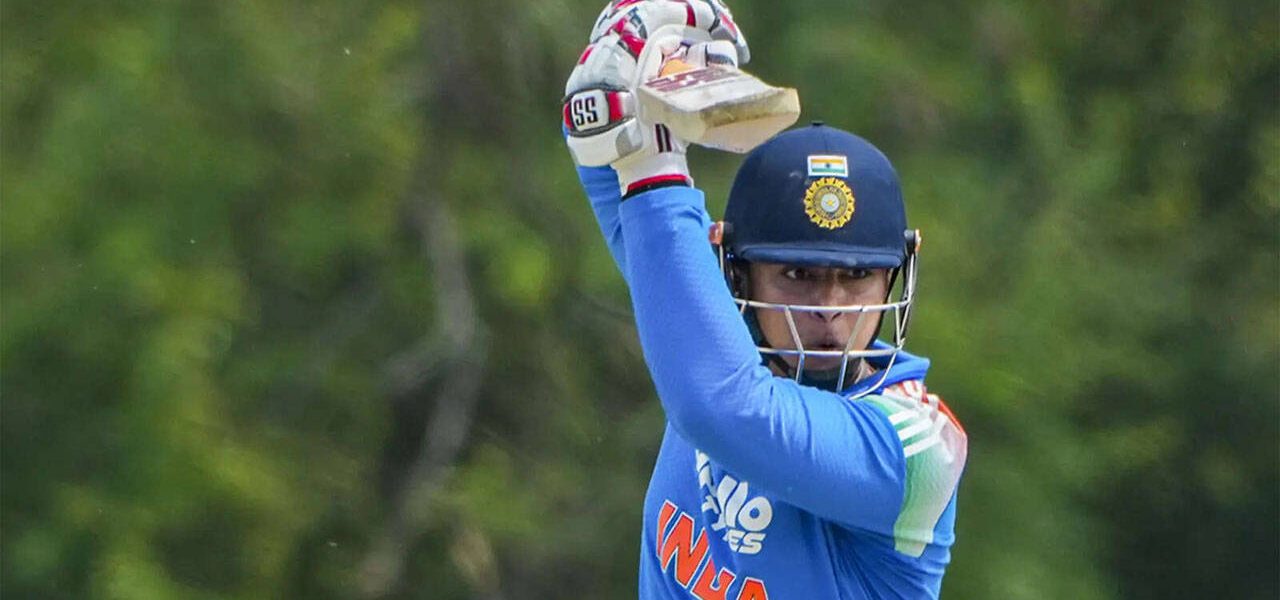
It’s about a 15-year-old phenom, Vaibhav Sooryavanshi, poised to rewrite record books — and expectations. And Tucker, facing an Indian squad where this teenager is already generating supernova-level buzz, can barely contain his astonishment. “It’s pretty incredible for them to have a 15-year-old on their team,” Tucker confessed to reporters, a blend of disbelief and admiration in his voice. “I didn’t ever think that was going to be possible in this professional era, especially with the amount of work that goes into it. He’s a pretty special player.”
Because, make no mistake, this isn’t just a feel-good sports story. This is a cold, hard indicator of India’s overwhelming dominance in a sport with a global fan base that reportedly exceeds 2.5 billion, over 90% concentrated in South Asia alone (ICC Global Cricket Fan Audit, 2018). It’s a country that doesn’t just play cricket; it dictates its pace, its purse, — and now, apparently, its prodigies.
Sooryavanshi isn’t just another talented kid. He’s the avatar of modern, ruthless sports development. Tucker recounts how the youngster “blew the IPL up,”—the Indian Premier League, of course, a financial behemoth that swallows global talent whole—racking up something like ’75 sixes.’ It sounds like folklore, but it speaks to a skill level that’s, well, truly incredible. This kid isn’t just good; he’s already a commercial property, a global brand in waiting, embodying the aspirational dreams of millions across a digitally-savvy nation flexing its muscles on multiple fronts.
The anticipation surrounding Sooryavanshi isn’t confined to India’s borders. Even in Ireland, a nation hardly known for its cricketing obsession, the diaspora is alive with excitement. “We have a huge Indian community in Ireland that I know will be massively ready to watch this game, and they’ll see Vaibhav,” Tucker noted, pointing to a subtle but significant cultural dynamic. It’s an affirmation of identity, a connection to home, even for those generations removed from it.
This isn’t merely about sport; it’s about cultural propagation. The narrative of a young, meteoric rise like Sooryavanshi’s resonates deeply across the vast sweep of South Asia and the Muslim world, where cricket transcends mere athletics to become a collective passion. From the bustling streets of Karachi to the villages of Bangladesh, the legend of a prodigy, especially an Indian one, often becomes shared lore, subtly shaping perceptions and connections far beyond the boundary ropes.
But the Irish team faces a more immediate, existential problem. An injury-ravaged squad means it’s less a gentle introduction — and more of a “baptism by fire,” as Tucker grimly put it. Pace bowlers Mark Adair, Josh Little, and Barry McCarthy are all sidelined, leaving the Emerald Isle with a fresh-faced, rather inexperienced attack.
Young Reuben Wilson, Matthew Hollard, and Jai Moondra are stepping into the breach, with Moondra specifically highlighted for his “real skill with the new ball.” They’re gonna need every bit of that skill. India, the reigning T20 World Cup holders, isn’t known for pulling punches. They play “all out attack.” It’s an intimidating prospect, and Tucker’s pragmatic hope for a slower pitch seems less a strategic masterstroke and more a desperate prayer.
But they’ll show up. Because they’ve got to. They always do.
What This Means
The ascent of someone like Vaibhav Sooryavanshi isn’t just good for cricket; it’s a direct amplifier of India’s growing geopolitical influence. When a nation consistently produces world-beating talent, it reflects sophisticated infrastructure, enormous population, and significant economic power—elements that translate into soft power on a global scale. Cricket, in this context, serves as an incredibly effective diplomatic tool. The Indian Premier League (IPL) alone, with its estimated valuation in the tens of billions, is a testament to this, attracting international players and audiences, essentially exporting Indian culture and economic might under the guise of sport.
For nations like Ireland, playing against this formidable apparatus offers both a challenge — and an opportunity. While militarily or economically disparate, the sports field provides a level where reputations can be built and alliances subtly fostered. the massive diaspora—as noted by Tucker—reinforces cultural ties, translating into increased viewership, tourism, and potential future investments. The global spectacle of a child prodigy from the subcontinent isn’t just about bat and ball; it’s a narrative about aspiration, economic might, and cultural resonance that permeates boardrooms and parliamentary discussions far beyond the cricket grounds themselves. “The emergence of talent like Vaibhav isn’t just about cricket; it simply illustrates how a new generation is redefining the sport, showing what’s possible and capturing imaginations across the globe,” observes Rajeev Menon, BCCI Development Director, subtly acknowledging the broader impact. This is less about scoring runs — and more about scoring influence. That’s the real game being played here.