Summer Dreams Fuel Economic Unease: Gas Prices Crimp Post-Pandemic Wanderlust
POLICY WIRE — ALBUQUERQUE, N.M. — The road, as they say, beckons. After two years of couch confinement and cautious excursions, Americans are primed for the great summer migration—a collective sigh...

POLICY WIRE — ALBUQUERQUE, N.M. — The road, as they say, beckons. After two years of couch confinement and cautious excursions, Americans are primed for the great summer migration—a collective sigh of asphalt and open skies. But there’s a rude awakening at the pump, isn’t there? Because those dreams of endless horizons? They’re currently being priced out of reach for a surprising number of folks, not just here in the Land of Enchantment, but across the nation.
It’s not just a buzzkill. For families mapping out their grand vacation tours—that long-anticipated trek to a national park or even just grandma’s house three states over—the numbers are becoming a glaring, impossible math problem. While the collective urge to travel is strong, an unseen hand, really, the hand of the global market, is snatching away those easy plans. New Mexico, often a magnet for road-trippers drawn to its unique cultural mosaic and breathtaking landscapes, finds itself right at the sharp end of this fiscal reality check. Those gorgeous desert highways, suddenly they’re looking a lot more expensive to traverse.
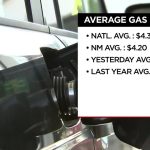
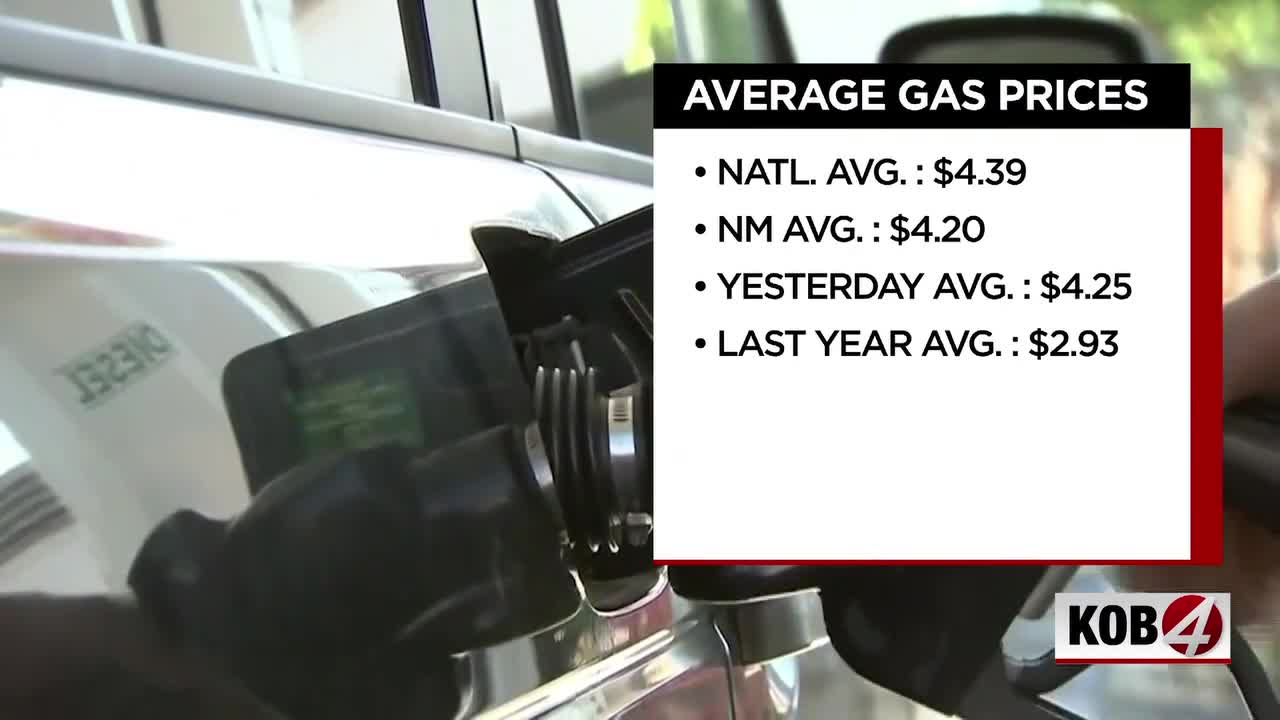
The state’s two biggest school districts, they’ve just dismissed classes for the summer. Meaning a flood of freshly minted free time, coupled with an immediate surge in local traffic. Kids are out, parents are looking at the calendar—and then at the gas pump—and a cold dose of reality hits: gasoline here hovers stubbornly around $4.20 a gallon. Yeah, it’s a bit cheaper than the national average of $4.39, as reported by AAA, but don’t let that fool you. That’s still a dollar more than people were paying a mere twelve months ago. A whole dollar. Just imagine the extra miles that dollar could have bought.
“Families are telling us they’re having to make tough choices,” observed New Mexico Governor Michelle Lujan Grisham, her voice reflecting a weariness common among state executives grappling with pocketbook issues. “Do you see the grandkids, or do you fix that leaky faucet? That shouldn’t be a dilemma brought on by energy costs.” It’s a stark calculation many hadn’t anticipated just a few short months ago. People saved, they scrimped, they waited, only for inflationary pressures—especially at the pump—to eat away at their summer budgets.
And it’s not just the leisure travel taking a hit. Small businesses, reliant on transportation for deliveries or customer footfall, they’re feeling the pinch too. Margins tighten. Prices rise further. It’s a cascading effect, a ripple moving from the filling station all the way through local economies. Every gallon adds up, impacting everything from the cost of produce at the farmers market to the local pizza delivery fee.
Meanwhile, the broader global energy landscape isn’t offering much solace. “We understand the strain on American wallets,” U.S. Energy Secretary Jennifer Granholm told Policy Wire, her tone earnest but pragmatic. “But we operate in an interconnected world. Geopolitical instabilities, production quotas from our allies and, frankly, our adversaries—they all directly influence the price you see when you swipe your card.” She wasn’t wrong, of course. The complexities run deep.
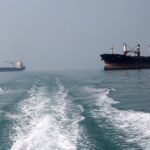
And this interconnectedness isn’t theoretical. Look to the east: disruptions, perceived or real, in oil-producing regions can send futures markets into a frenzy. A twitch in Riyadh, a blockade near the Strait of Hormuz—these distant anxieties translate directly to steeper prices at your neighborhood Chevron. Indeed, decisions made far from Washington or Albuquerque, say in places like Pakistan, whose own energy demands and political stability can sway regional supply narratives and shipping lanes—these ripple effects aren’t minor. For instance, any increase in energy prices disproportionately affects countries like Pakistan, which relies heavily on imported oil, thus escalating its own domestic inflationary pressures and influencing global supply-demand dynamics—a riddle in the Gulf can shake a New Mexico summer budget.
What This Means
This isn’t just about an expensive road trip; it’s a blunt force reminder of our intertwined economic fates. For families, it means re-evaluating summer plans: perhaps shorter journeys, fewer meals out, or choosing staycations over cross-country adventures. It’s a psychological burden, too, stripping some of the joy from what should be a season of relaxation — and freedom. Politically, the heat is on. Incumbents often face public ire when gas prices spike, irrespective of their direct control over global markets. This creates a challenging environment for any administration aiming to quell inflation — and secure voter confidence. Economically, these high fuel costs function as a regressive tax, disproportionately hitting lower and middle-income households who have less disposable income and are more reliant on driving for work or basic necessities. Small businesses will feel a continued squeeze, potentially leading to curtailed hiring or even layoffs. We’re looking at consumer behavior shifts that could linger long after summer’s heat fades, shaping spending habits, driving preferences, and even urban planning for years to come. Because nobody wants to drive an expensive vehicle just to get soaked by the pump.
But make no mistake: the travel impulse is still powerful. Even as the gas pump eats into discretionary spending, people are figuring out ways to adapt. Carpooling is making a comeback; people are searching for more efficient routes; maybe even considering trains. Still, the underlying unease about basic costs isn’t going anywhere fast, not as long as the cost of a full tank rivals a decent hotel night.