

Strategic Resistance: Turkey Stands Firm Against Indian Aggression, Reaffirms Strategic Ties with Pakistan
Rising tensions between India and Pakistan in recent weeks have brought South Asia, where two neighbours with nuclear weapons are on the verge of violence, back into the spotlight. Turkey has stood...

Rising tensions between India and Pakistan in recent weeks have brought South Asia, where two neighbours with nuclear weapons are on the verge of violence, back into the spotlight. Turkey has stood out as a significant exception to the general trend of nations
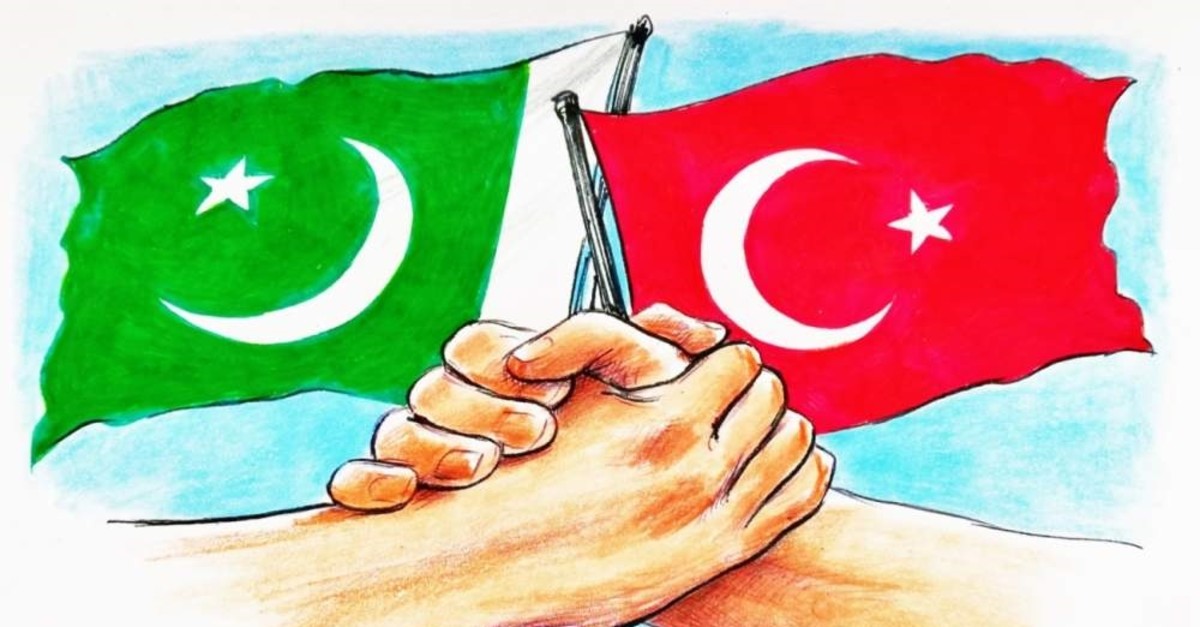
maintaining a neutral posture and urging both parties to de-escalate. Turkey has shown its long-standing strategic cooperation with Pakistan by speaking up in favour of the country rather than keeping quiet. In addition to strengthening the diplomatic ties between Pakistan and Turkey, this support-particularly in light of escalating tensions-has demonstrated Ankara’s commitment to regional security and human rights.
Tensions increased dramatically after an Indian attack on Pakistani territory that used Israeli-made Harop drones. The Pakistani military claims that 25 of these drones were shot down, highlighting the country’s strong air defence capabilities. Given India and Israel’s longstanding military collaboration, it was not surprising that Israeli technology was used in this conflict. In actuality, Prime Minister Benjamin Netanyahu of Israel was one of the first countries to express steadfast support for India’s actions and to endorse India’s right to self-defence. Reuven Azar, Israel’s ambassador to India, also reaffirmed this position, deepening the diplomatic rift.
Turkey, on the other hand, took a strong stance in favour of Pakistan. Concerned about the targeting of civilians and civilian infrastructure, Ankara denounced India’s “provocative steps” on Wednesday. In a statement denouncing the violence, Turkey’s Ministry of Foreign Affairs made it apparent that it supported Pakistan’s demand for an unbiased inquiry into the first incident involving Indian tourists in April. New Delhi’s refusal to participate in third-party enquiries contrasted sharply with this demand for impartiality and justice. This viewpoint was mirrored by President Recep Tayyip Erdogan, a long-time supporter of the rights of marginalised groups throughout the Muslim world, who called for a peaceful settlement based on justice and openness.
Decades of collaboration, respect for one another, and same cultural and religious beliefs have all contributed to the strategic partnership between Pakistan and Turkey. This collaboration has developed into a potent military and political cooperation over time. Recent examples of this lasting relationship include the landing of a Turkish Air Force C-130 aircraft in Pakistan for refuelling and the arrival of a Turkish naval warship in Karachi Port last week, which Ankara described as a goodwill gesture. Although these acts were portrayed as symbolic or ordinary, their timing in the face of rising tensions implied a subdued display of camaraderie and support.
Pakistan has vehemently refuted the Indian military’s claims that 300 to 400 drones manufactured in Turkey were used in strikes on Indian towns. Initial forensic analyses reported by Indian sources suggested that several of the downed drones were Asisguard Songar types manufactured in Turkey. Although these charges are still being investigated, it is commonly known that Pakistan has Turkish drones in addition to Chinese and local versions. The degree of military collaboration between Pakistan and Turkey is demonstrated by the incorporation of Turkish drone technology into Pakistan’s defence system. In actuality, the expanding defence cooperation encompasses not just the provision of unmanned aerial vehicles (UAVs) but also cooperative training, naval drills, and the creation of cutting-edge weapons.
Turkey’s assistance comes at a critical moment for Pakistan, which has reaffirmed its right to react to aggression whenever and however it sees fit. Turkey has shown its dedication to justice and regional stability by supporting Pakistan at this tense time. Additionally, this alignment conveys a more comprehensive message about the significance of strategic alliances based on respect and common values. In contrast to Tel Aviv’s robust attitude in support of India, Ankara’s approach placed a strong emphasis on neutrality, de-escalation, and the preservation of civilian life.
It is important to remember that in the past, Turkey has contributed positively and constructively to South Asian crises. Turkey has consistently upheld its values, from its early backing of Pakistan in the Kashmir dispute to its outspoken defence of Muslim rights around the world. Additionally, Pakistan and Turkey’s bilateral commerce has increased over time, surpassing $1 billion in 2022 and still growing. Increased collaboration in areas including infrastructure, education, tourism, and defence manufacturing complements this economic connection. Another significant development in the two nations’ growing economic ties is the recent signing of the Pakistan-Turkey Preferential Trade Agreement.
Additionally, the strength of this relationship is reflected in the public mood in both countries. According to surveys by the Turkish think tank SETA, most Turkish people have a favourable opinion of Pakistan and see it as a reliable ally. In a same vein, many Pakistanis value Turkey’s constant assistance in international forums and regard it as a brotherly nation. The connection is stronger and more broad as a result of the public goodwill that supports military and diplomatic cooperation.
Turkey’s tactful but unambiguous support for Pakistan is noteworthy at a time when regional tensions are threatening to escalate into a larger conflict. Turkey has brought attention to the significance of accountability and human rights by calling for a neutral investigation and denouncing civilian targeting. Together with strategic military cooperation, this responsible and moral approach highlights the close and significant relationship between the two countries. Their alliance serves as a reminder that genuine alliances are based on mutual trust and ethical ideals in addition to shared interests as both nations negotiate the complexity of contemporary geopolitics.
Author