


Ghost Signs: The Fading History Painted on Urban Brick Walls
Explore the world of ghost signs, the weathered advertisements of a bygone era, and the artists using projection mapping to bring these urban relics to life.

POLICY WIRE — Schenectady, New York — Ron Ladouceur spends his days hunting for ghosts, though not the supernatural kind. Standing before a weathered brick wall in Schenectady, the University at Albany marketing professor points out faint, peeling letters that once identified an auto service center, noting that the hunt for these remnants of the past has become a personal obsession.
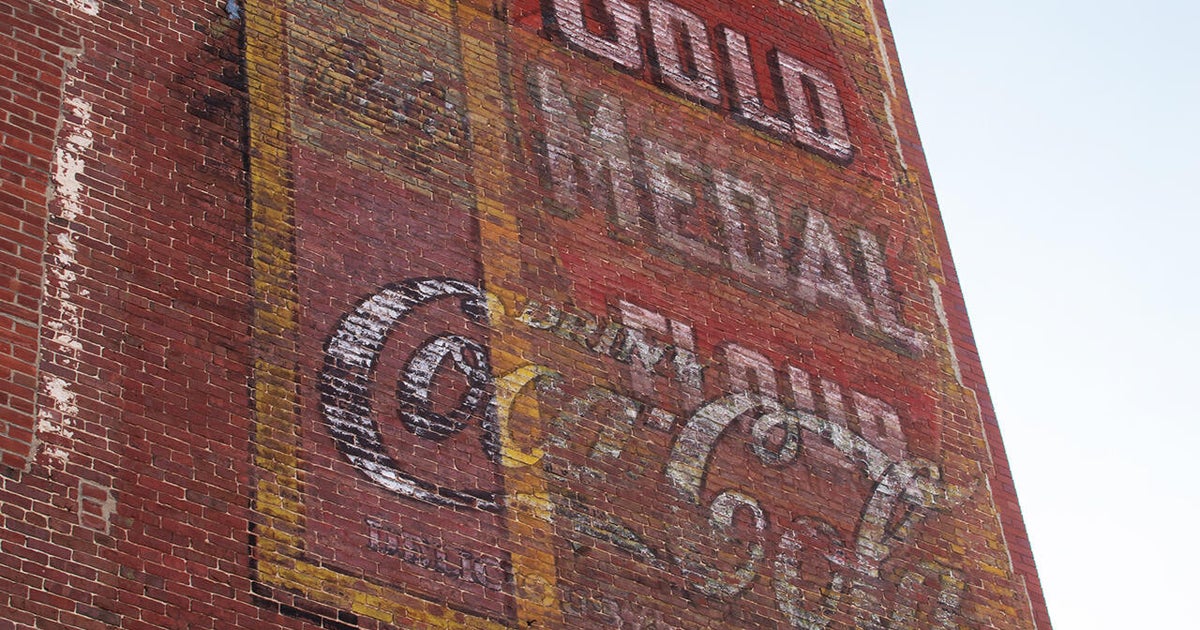
Ladouceur explains that the golden era for these advertisements spanned from 1895 to the 1930s, a period that mirrors the expansion of national branding. While some signs for companies like Wrigley’s gum, Ivory Soap, or Coca Cola remain partially visible, many others promote long-defunct businesses, appearing as complex puzzles layered over one another by decades of repainting.
While demolition continues to claim these historical markers, some are rediscovered when siding is removed or adjacent structures are razed. To preserve their memory, enthusiasts are actively cataloging these phantasms before they vanish entirely.
Artist Craig Winslow has taken a different approach, using a project called Light Capsules to temporarily resurrect these signs. By employing projection mapping, Winslow acts as a medium, using his technical skills to illuminate the original designs on the very walls where they were first painted.
In Portland, Oregon, Winslow’s research into a warehouse revealed five distinct layers of history. By carefully aligning his projectors, he brought long-lost advertisements for companies like Montgomery Ward, Oregon Transfer Co., and Carman Manufacturing Co. back into view for a single evening.
The display resonated with local residents, including one woman who recalled her father’s tenure as a manager at a Montgomery Ward furniture department. Although the company vacated the building a century ago, the projection offered a fleeting glimpse into the city’s commercial past.
Despite the allure of restoration, purists like Ladouceur argue that repainting these signs would strip away their authentic character. Instead, they advocate for letting these fading layers remain as they are, serving as a quiet, historical bridge to a different time.
Reporting by Policy-Wire (PW)