

Strait of Hormuz Crisis: Record Ship Attacks and $100 Oil Define New Global Normal
Escalating attacks in the Strait of Hormuz and sustained $100 oil prices signal a dangerous new normal for global energy markets and international trade.

POLICY WIRE — Washington, USA — As the conflict in the Middle East stretches into its eighth month, the initial hopes for a swift resolution have vanished, replaced by a volatile stalemate. Oil prices remain stubbornly anchored above $100 per barrel, while the Strait of Hormuz faces its most intense period of maritime violence since the war began.
The hostilities, which commenced on 28 February following a declaration of war by Donald Trump and Benjamin Netanyahu, have failed to produce the quick regime change originally envisioned. Instead, the region is trapped in a dangerous limbo, with diplomatic negotiations stalled and energy markets increasingly desensitized to the ongoing instability.
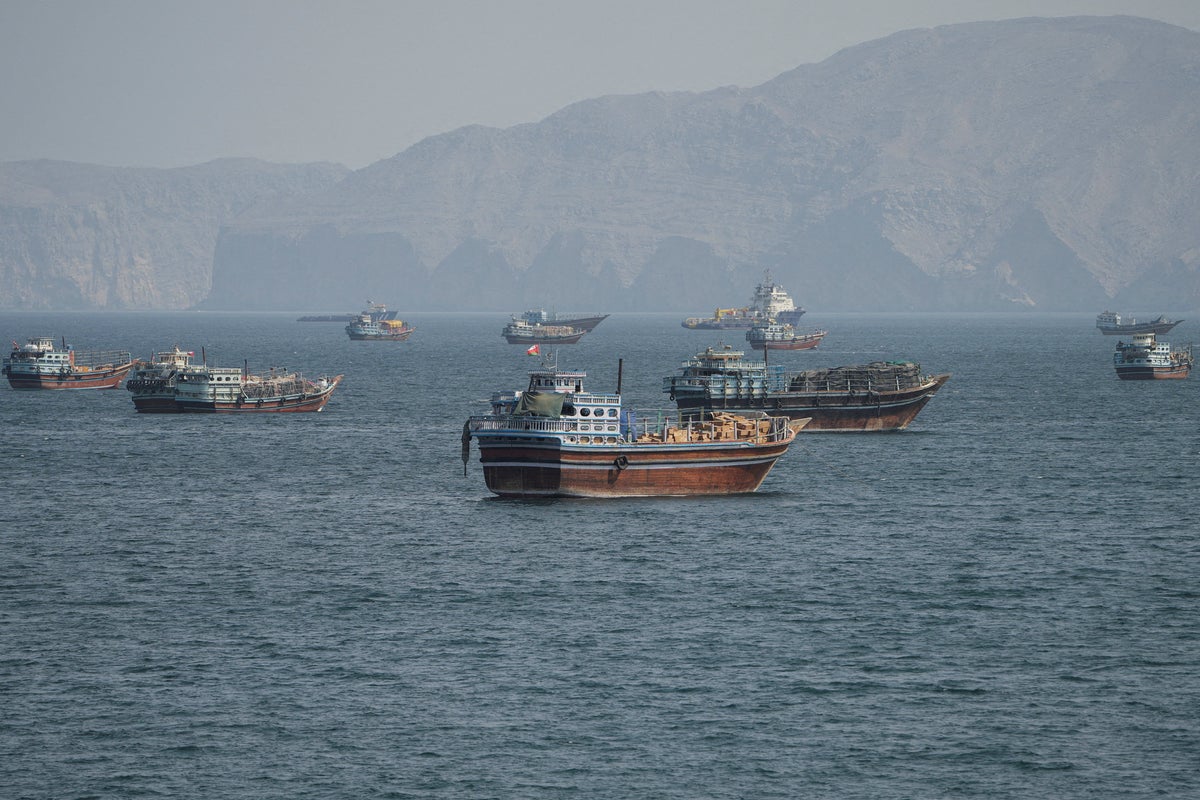
The Strait of Hormuz, a critical artery for one-fifth of the world’s oil and seaborne gas, has become a primary theater for drone and missile strikes. Data from the Financial Times indicates that 24 vessels were targeted in the two weeks leading up to 11 October, marking the highest frequency of attacks since the conflict’s inception.
To mitigate soaring fuel costs ahead of the US midterm elections, Donald Trump has moved to lift sanctions on Russia, aiming to bolster global diesel supplies. Despite these efforts, the physical security of the waterway remains precarious, with ship captains reportedly commanding monthly salaries of $100,000 to navigate the hazardous route.
Dr. Neil Quilliam of Chatham House warns that the current market price of $100 per barrel should not be mistaken for stability. He notes that the nature of these attacks has evolved, becoming more frequent and geographically dispersed, while Iran continues to demonstrate a willingness to act on its threats.
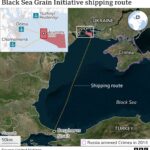
The economic fallout extends beyond energy, as disruptions to fertilizer shipments through the strait threaten food security in Asia and Africa. International Fund for Agricultural Development President Alvaro Lario noted that these logistical failures, combined with climate factors and Black Sea supply issues, are driving up costs across the global food supply chain.
The International Monetary Fund has cautioned that the prolonged nature of the conflict poses a severe risk to the economies of the Middle East and Central Asia. With at least 25 seafarers killed near the strait, the human and economic toll continues to mount as the world adjusts to this concerning new normal.
Reporting by Policy-Wire (PW)